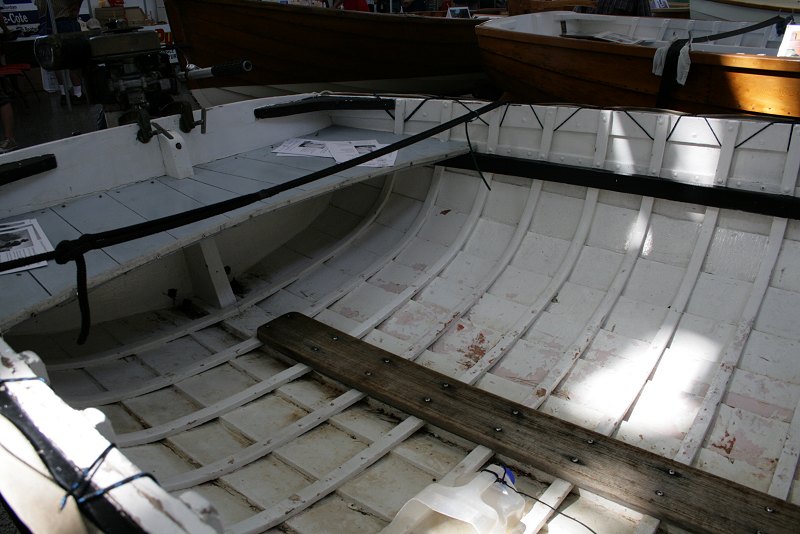
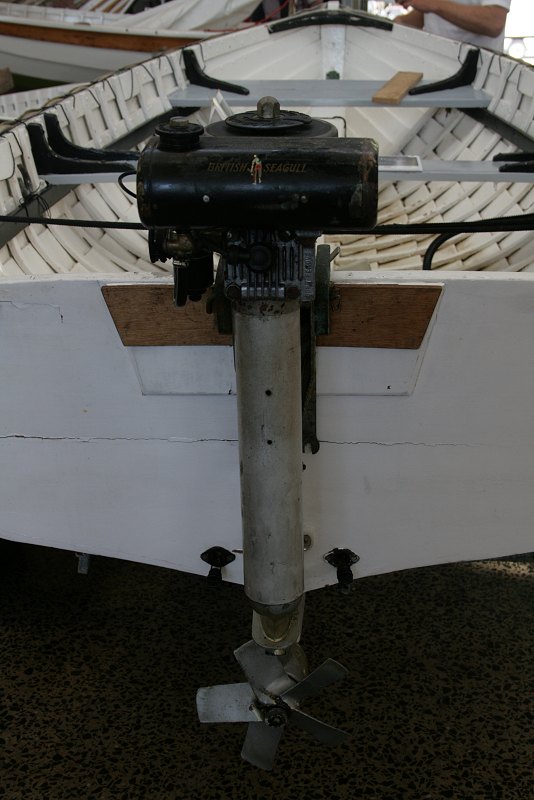
From attached card:
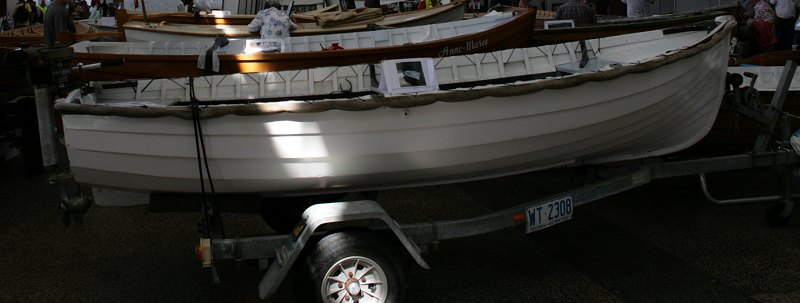
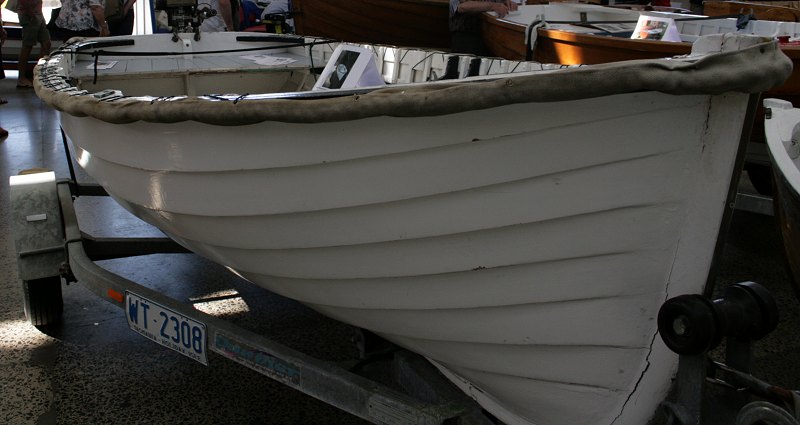
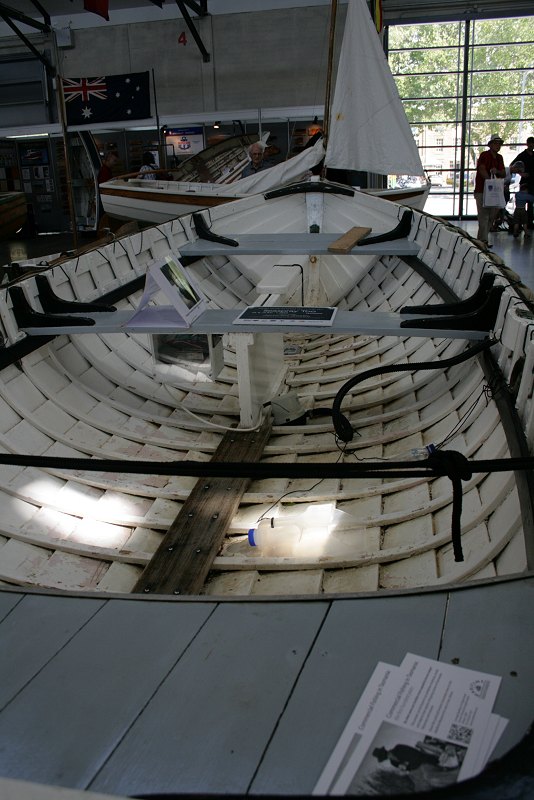
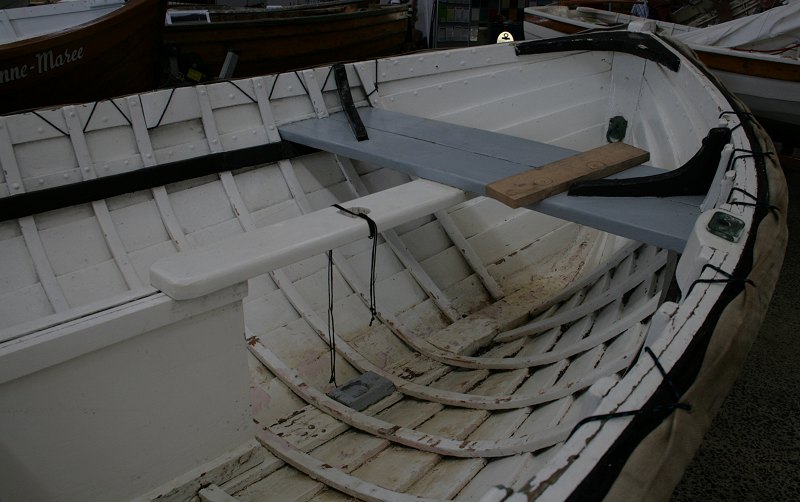
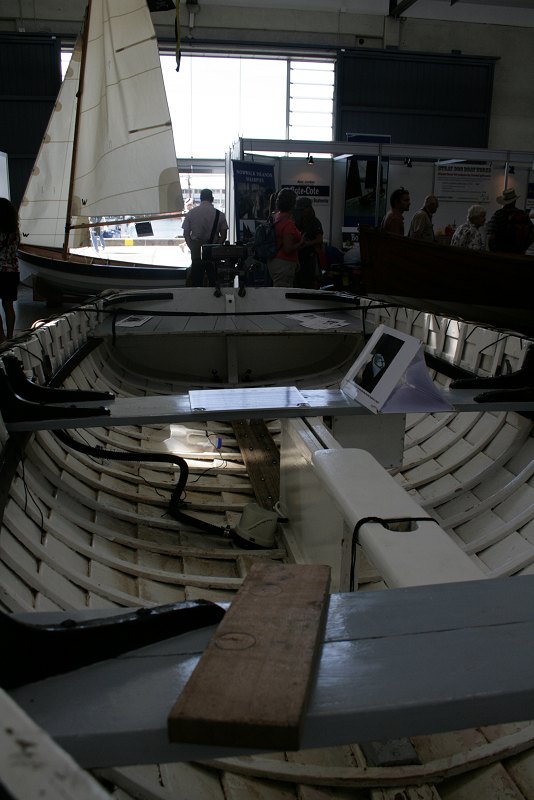
“Seaspray Too”
Length: 12’5″
Designed & built by Reg Fazackerley, c.1950
Construction: Huon pine, clinker
432 Pages: A Catalogue of Things
Up Close & Inside
From attached card:
“Seaspray Too”
Length: 12’5″
Designed & built by Reg Fazackerley, c.1950
Construction: Huon pine, clinker
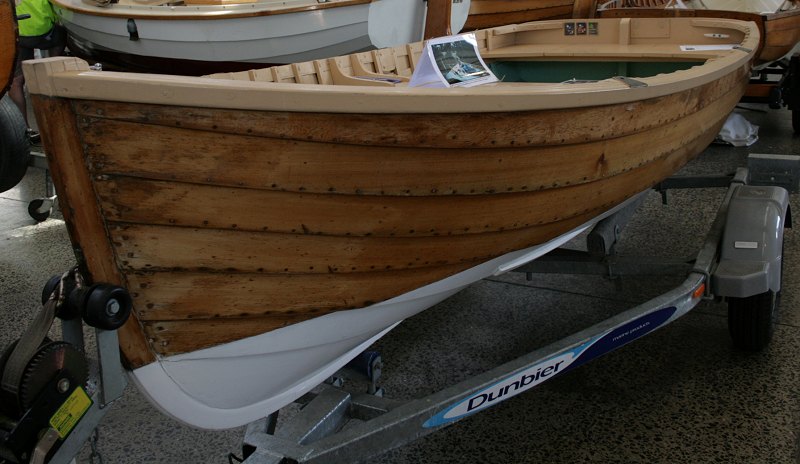
“The Mayfly”
Length: 11’11”
Designed & built by Reg Fazackerley, 1973
Construction: King Billy pine, clinker
“The Mayfly was built for trout fishing in the Highland Lakes.”
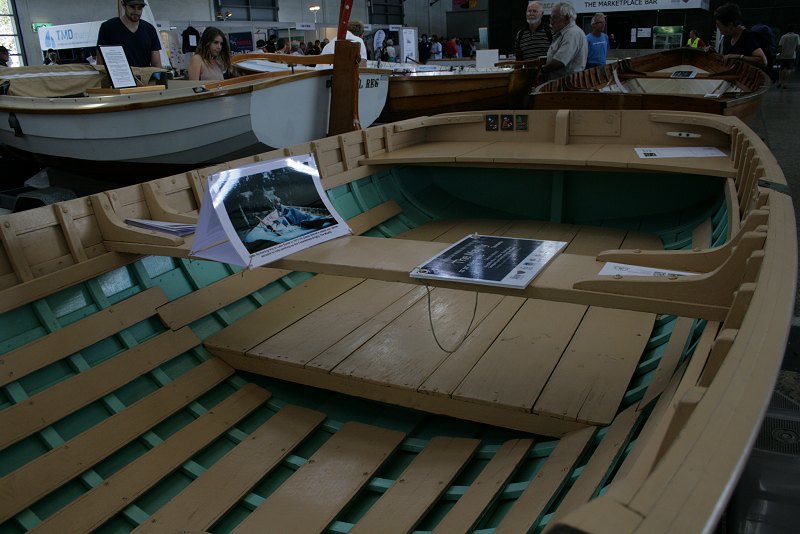
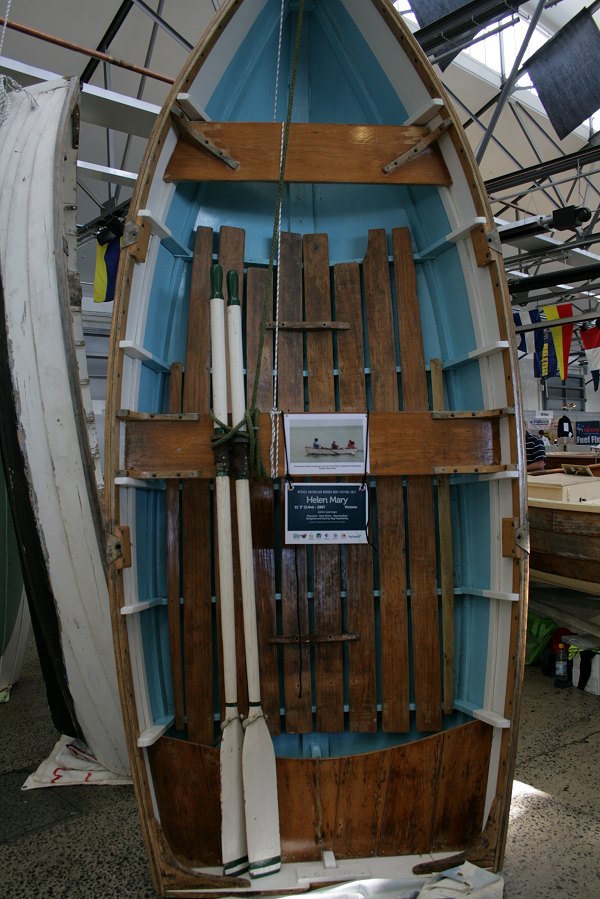
From attached card:
“Helen Mary”
Designed and built by Reg Fazackerley, 1967
Length: 11’3″
Construction: Plywood, hard chine
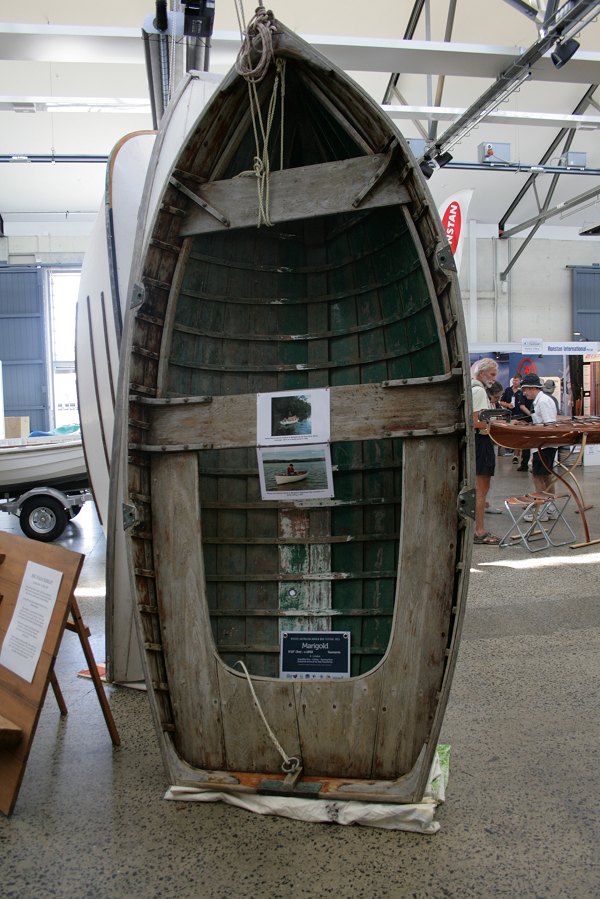
From attached card:
“Marigold”
Designed and built by Reg Fazackerley, c.1950
Length: 9’10’
Construction: King Billy Pine, clinker
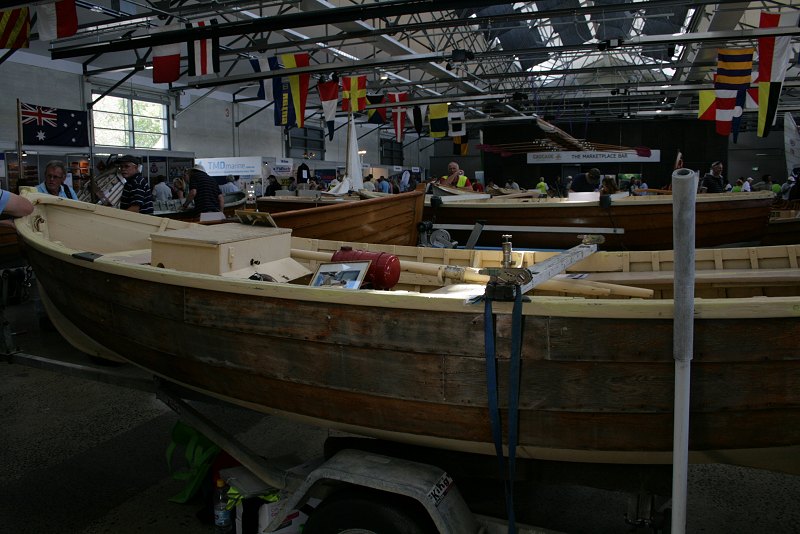
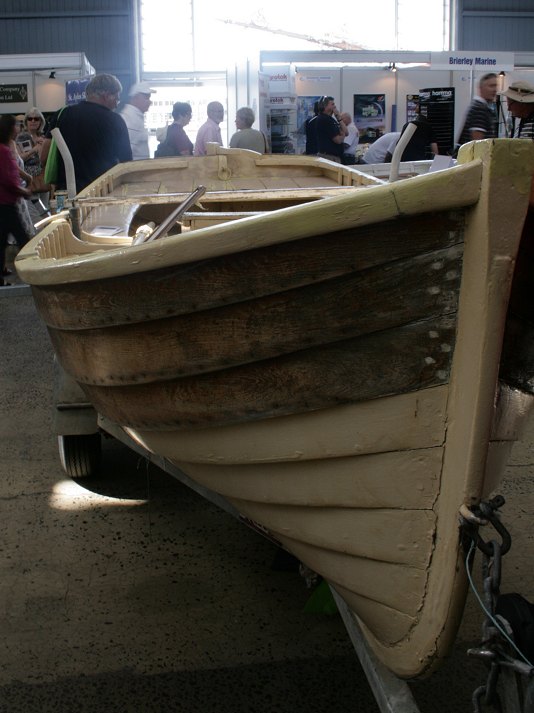
The information accompanying this boat (owned by Meredith & Owen Ransley) says it is “one of many similar craft built in Hobart ‘last century’ by a Mr. Fazackerly and are always identified by name”.
“This boat is a bit different [from others of the same type] in having side seats, an engine and no well, so we think it was intended to cater mostly for leisure activities.”
Specifications from information sheet:
Length 14′
Beam 5’6″
Engine: BSA single cylinder petrol
Built about 1945/1950
“Clinker style with bluegum keel, rubbers, etc. Huon pine stern, ribs and two centre planks. Other planks are King Billy pine. Knees are casuarina or bluegum.”
Smaller stable building, for a gentleman’s residence, at Franklin House
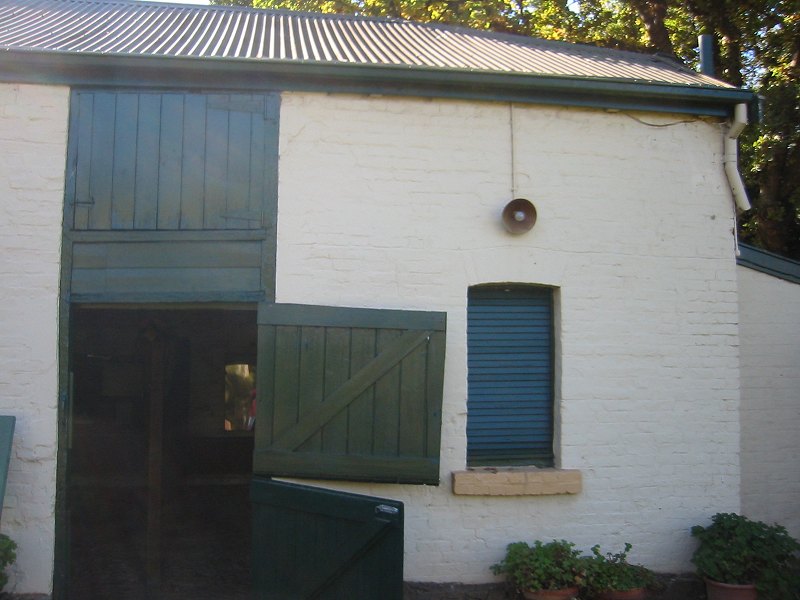
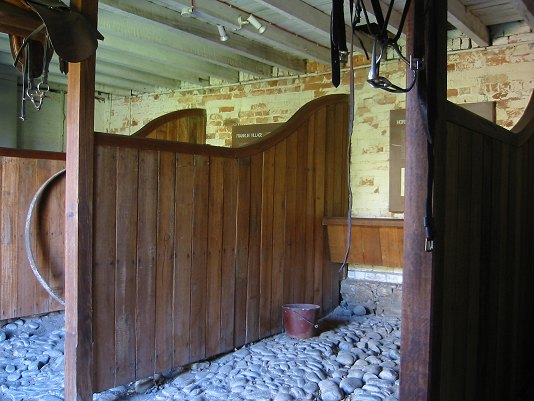
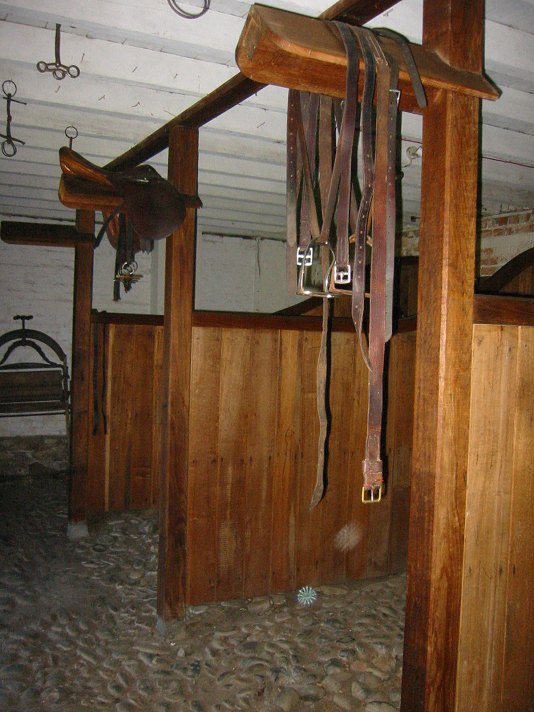

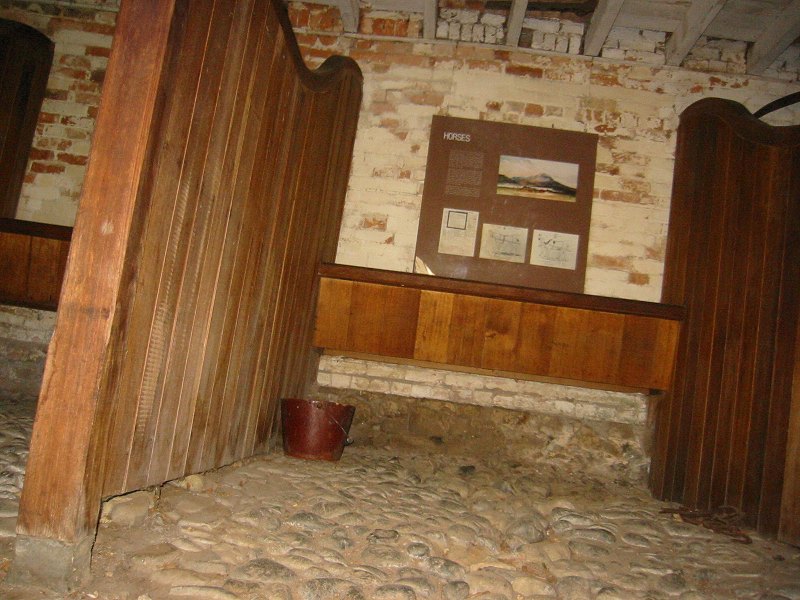
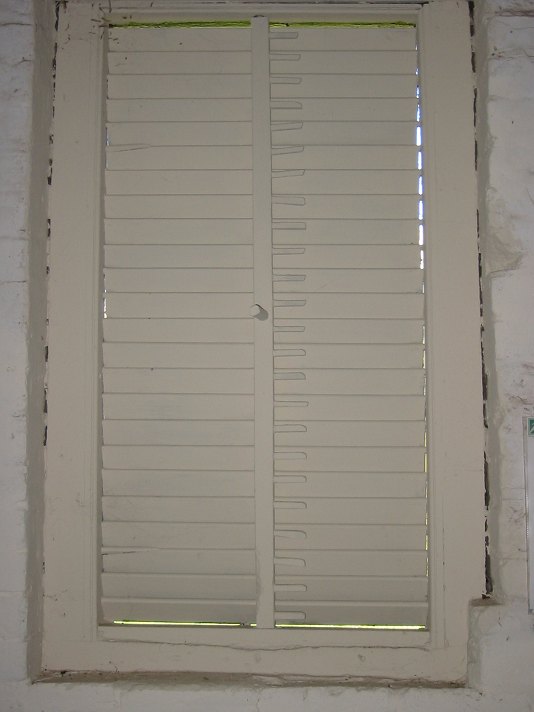
Window: turning the central bar and the pegs push the slates open, to let air in.
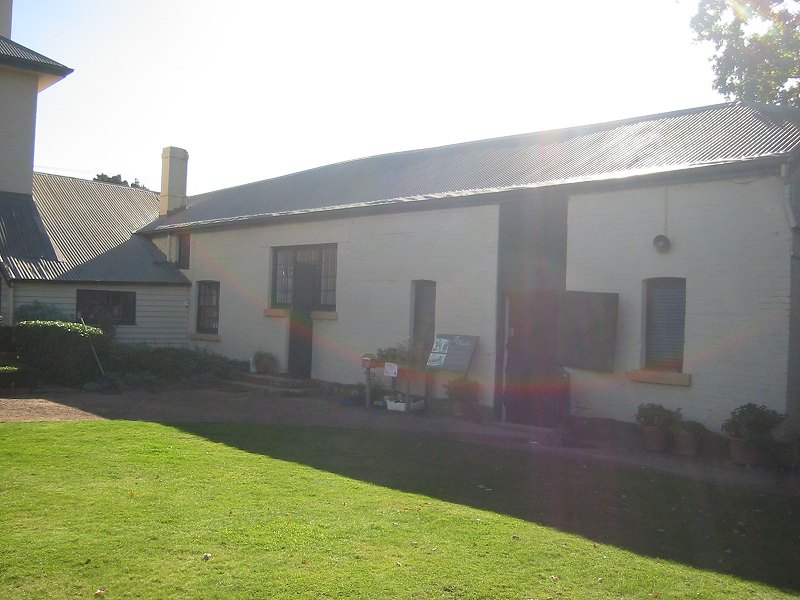

Built in 1858 of local honey coloured granite at a cost of £3730. It was the central Court of the “Northern Bailiwick” during the gold rush era and closed as a Court House in 1989 after 131 years of continual service. The Court had many roles. It served as a Magistrates Court, Court of Petty Sessions, County Court, Court of Assize (Supreme Court), Insolvency Court, Mining Wardens Court and Court of General Sessions. The Court sat every 12 weeks when the appointed Judge would arrive from Melbourne in his horse drawn vehicle. The lesser Courts were held at more regular intervals.


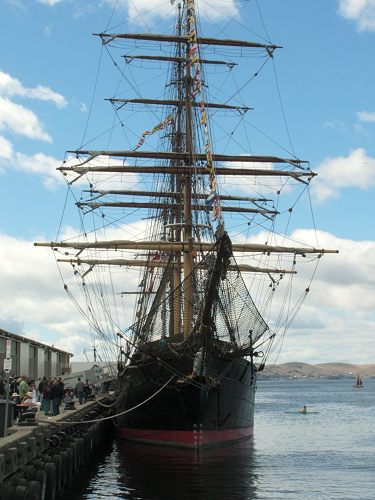
This is an old post with small photos. I have better photos now but more pressing things to work on, so if you’re interested, comment below and I’ll push it to the top of the “To Do” list.


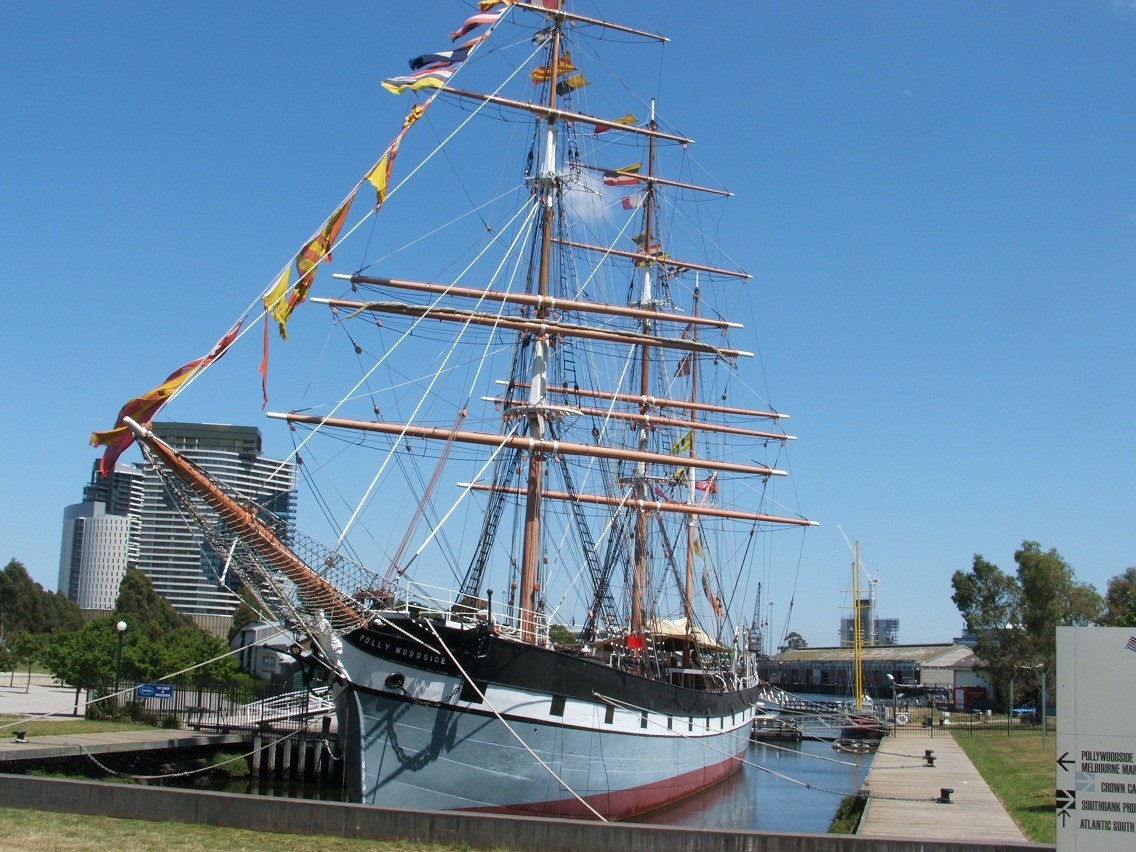
Polly Woodside aka Rona
Iron barque, built 1885 in Belfast.
647 tons, 192 feet long, max speed 14 knots.
A trading ship, coal mostly, from the end of the era of sail, although she remained in use to the 1920s, when she was converted to a coal hulk.
Original Photos
Under sail
Under sail, from a different angle
“Three masted barque about to be broken up on the rocks.”
“On Her Way To The Seclusion Of Hulkland”
Before restoration


Entally Estate: the original house was built 1819 and modified over the following decades. The yards at the back have a number of farm buildings constructed over the same period, including this carriage house and stable building.

The stable area is on the right. The carriage area is on the left.

This a rough plan to give an idea of the relationship between the different parts of the building. The area over the back is more storage for carriages, that faces onto a different yard.
CARRIAGE/COACH HOUSE


Door on left goes through to a small room (Livery or Coachman’s room the panel says).


This room has a fireplace and, to the right, stairs that lead to the upper level.

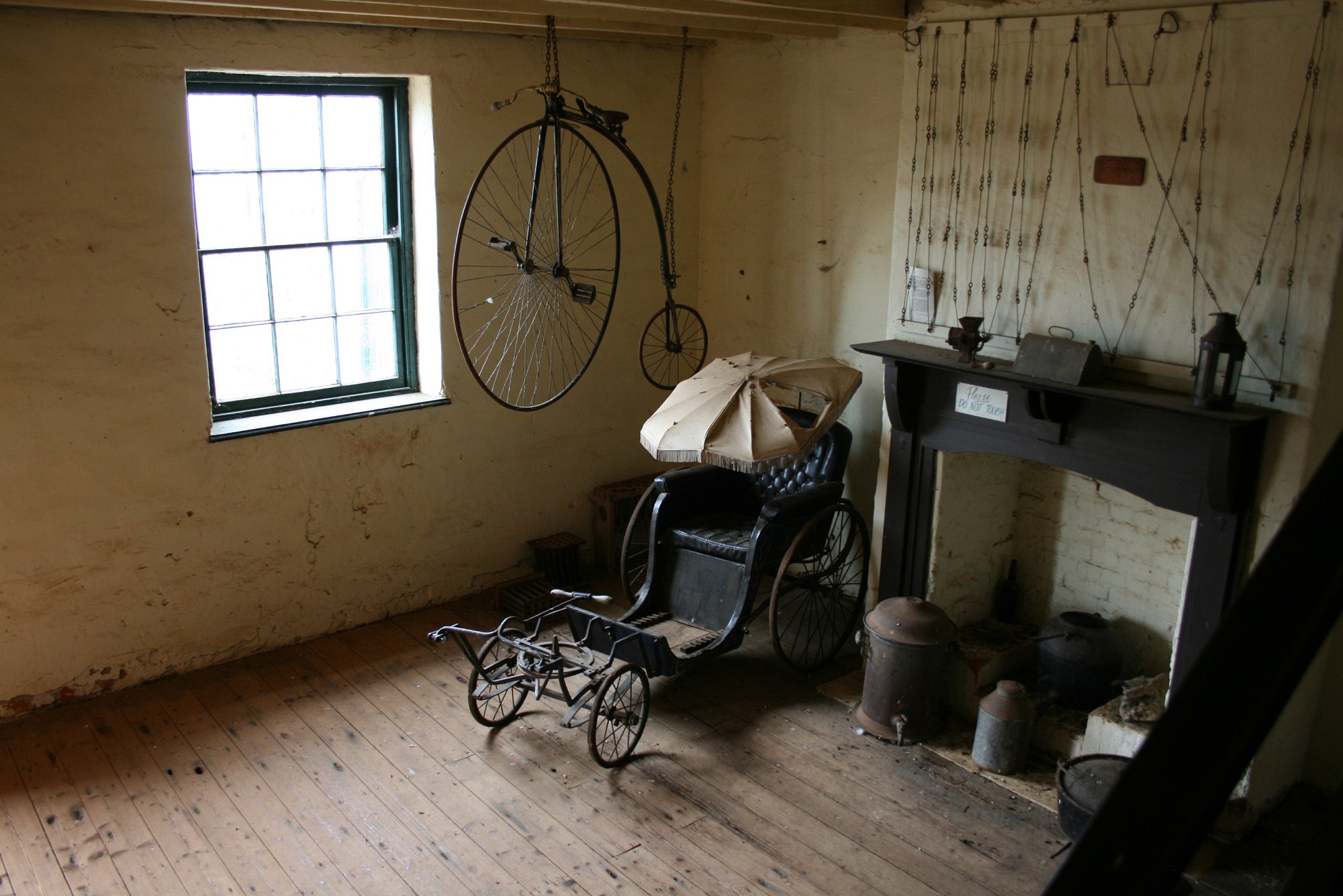
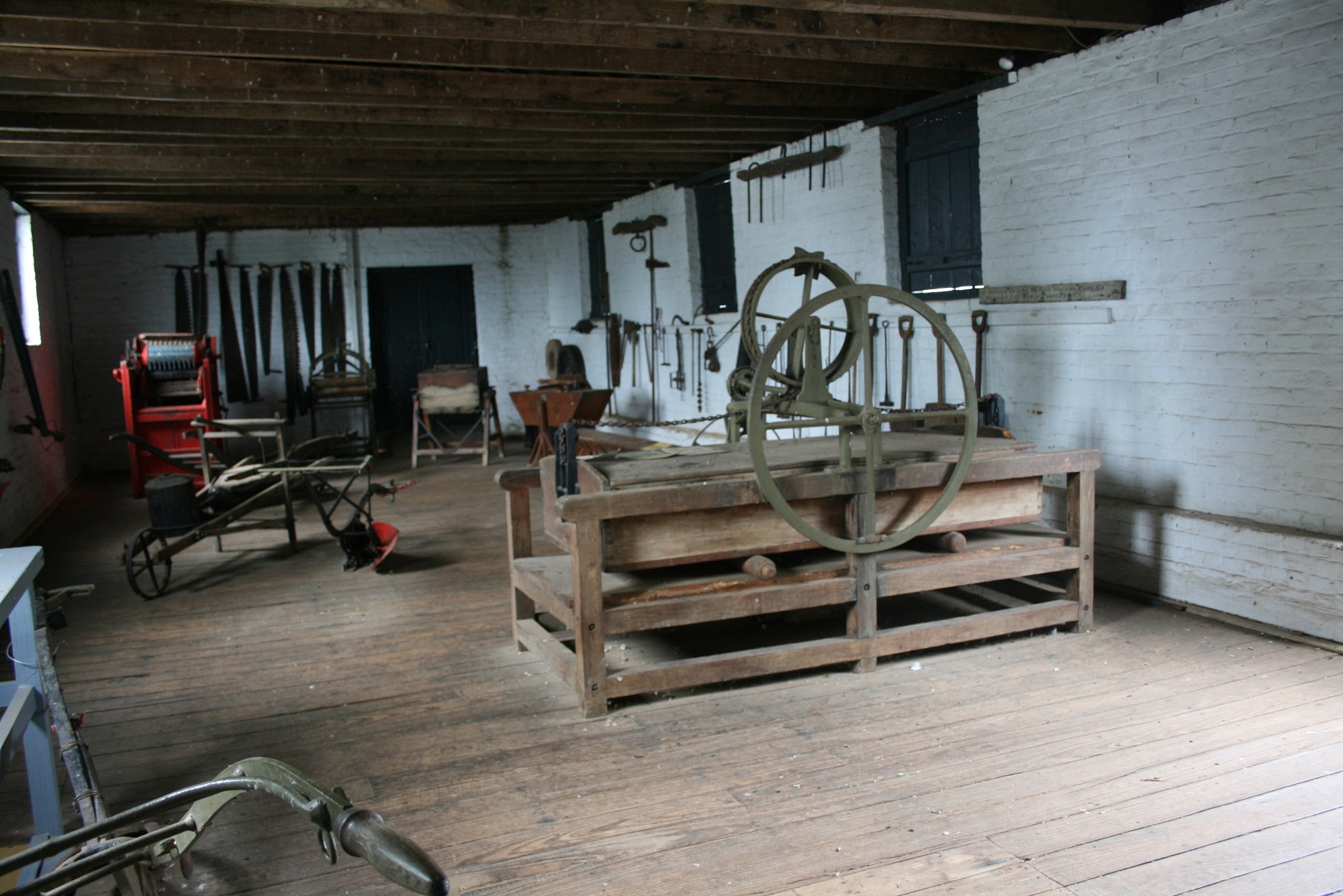
Upstairs.

Door for loading grain etc. to be stored up here.
Entally Estate: the original house was built 1819 and modified over the following decades. The yards at the back have a number of farm buildings constructed over the same period, including this carriage house and stable building.
The stable area is on the right. The carriage area is on the left.
This a rough plan to give an idea of the relationship between the different parts of the building. The area over the back is more storage for carriages, that faces onto a different yard.
Richmond Gaol was built in Tasmania in the 1820s as part of Governor Arthur’s reform of the convict system.
In one of the rooms is a model of the buildings as they are now, so I’m borrowing that to show everything in relation to everything else.
1 Entrance
2 Courtyard
3 Original gaol building
4 Men’s solitary
5 Smaller courtyard
6 Cookhouse
7 Women’s solitary
8 Women’s room
9 Gaoler’s house
This is an old post with small photos. I have better photos now but more pressing things to work on, so if you’re interested, comment below and I’ll push it to the top of the “To Do” list.
Restored 19th century ketch (built 1867)
Two masts, with the front mast being the taller, both fore and aft rigged.
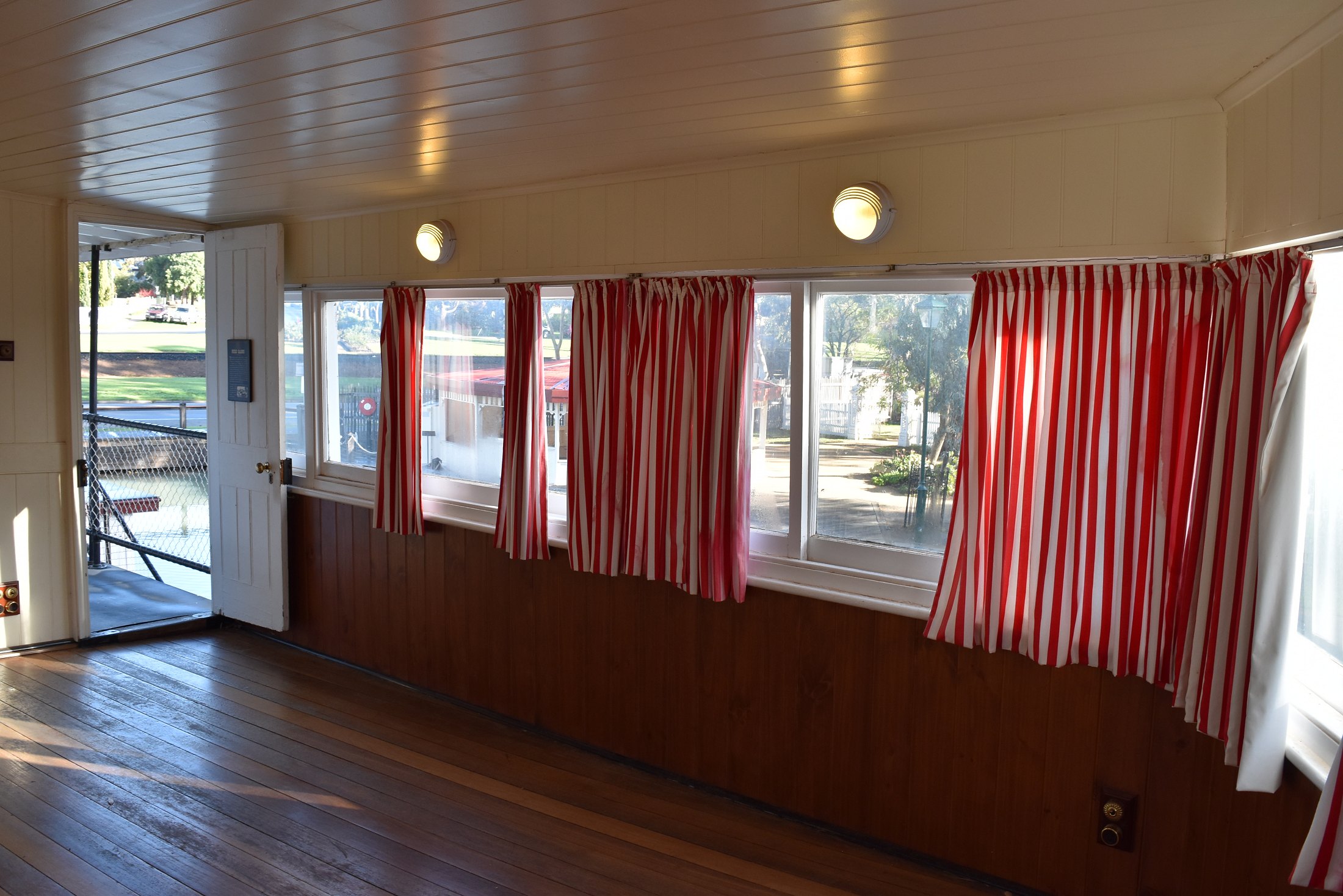
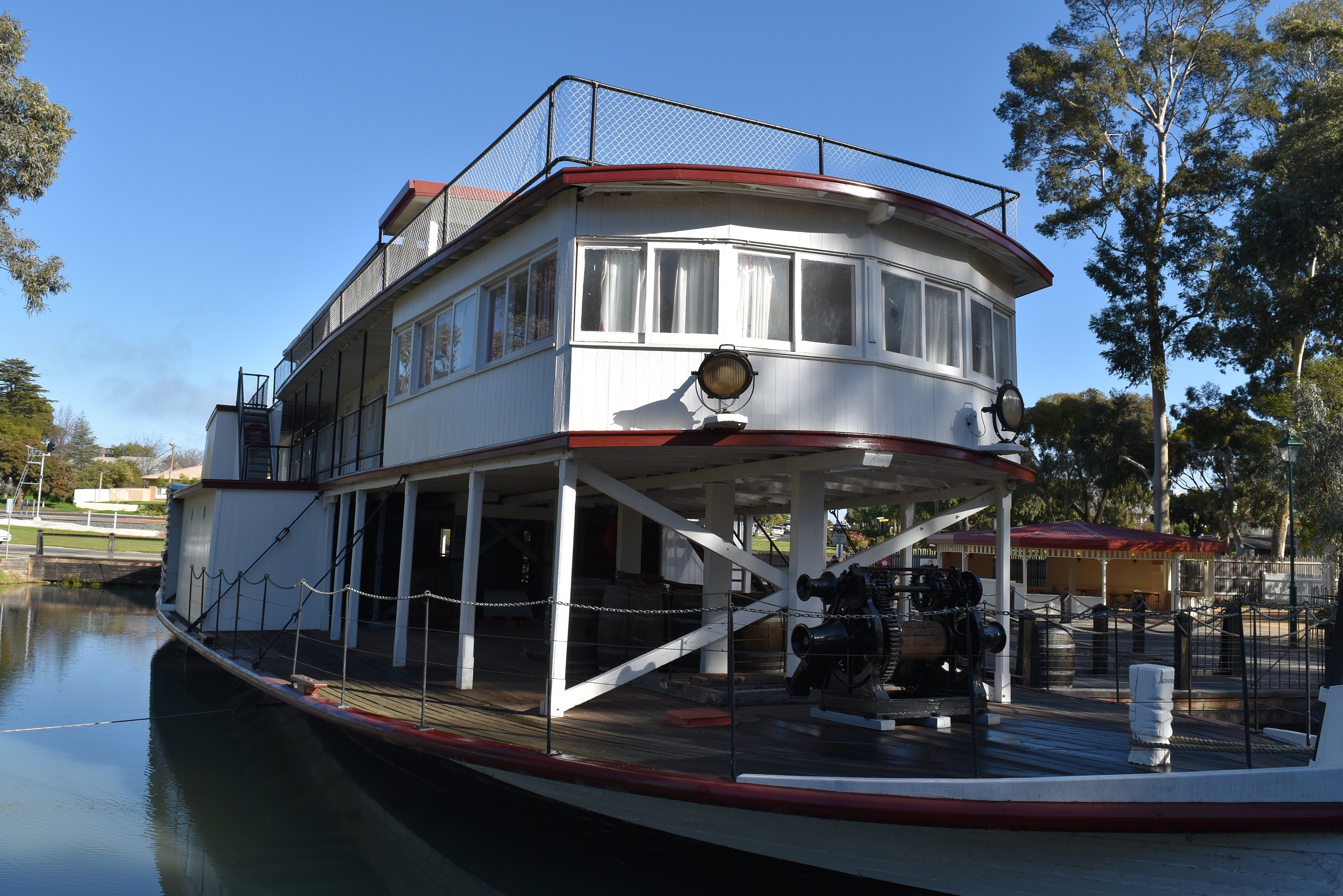
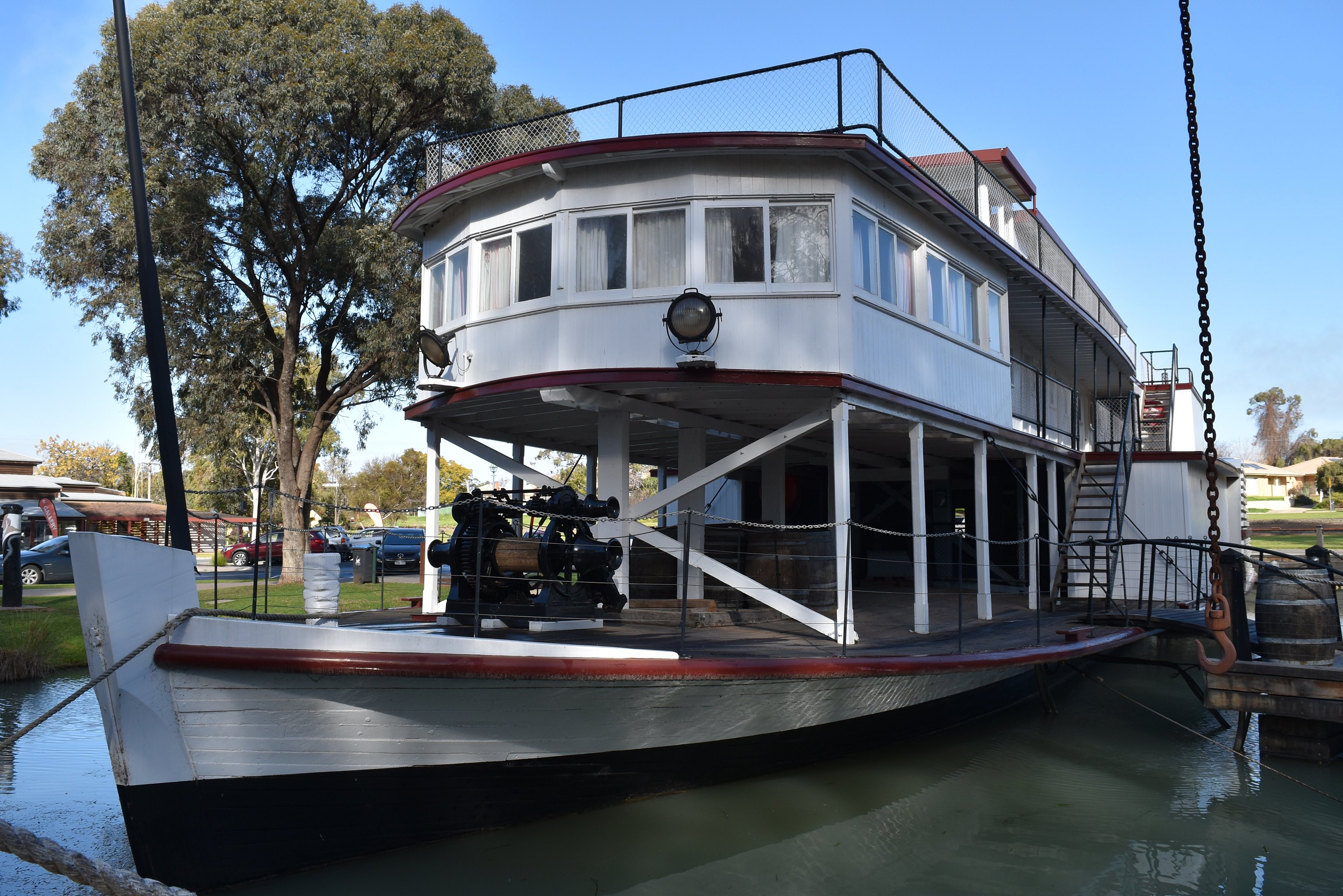
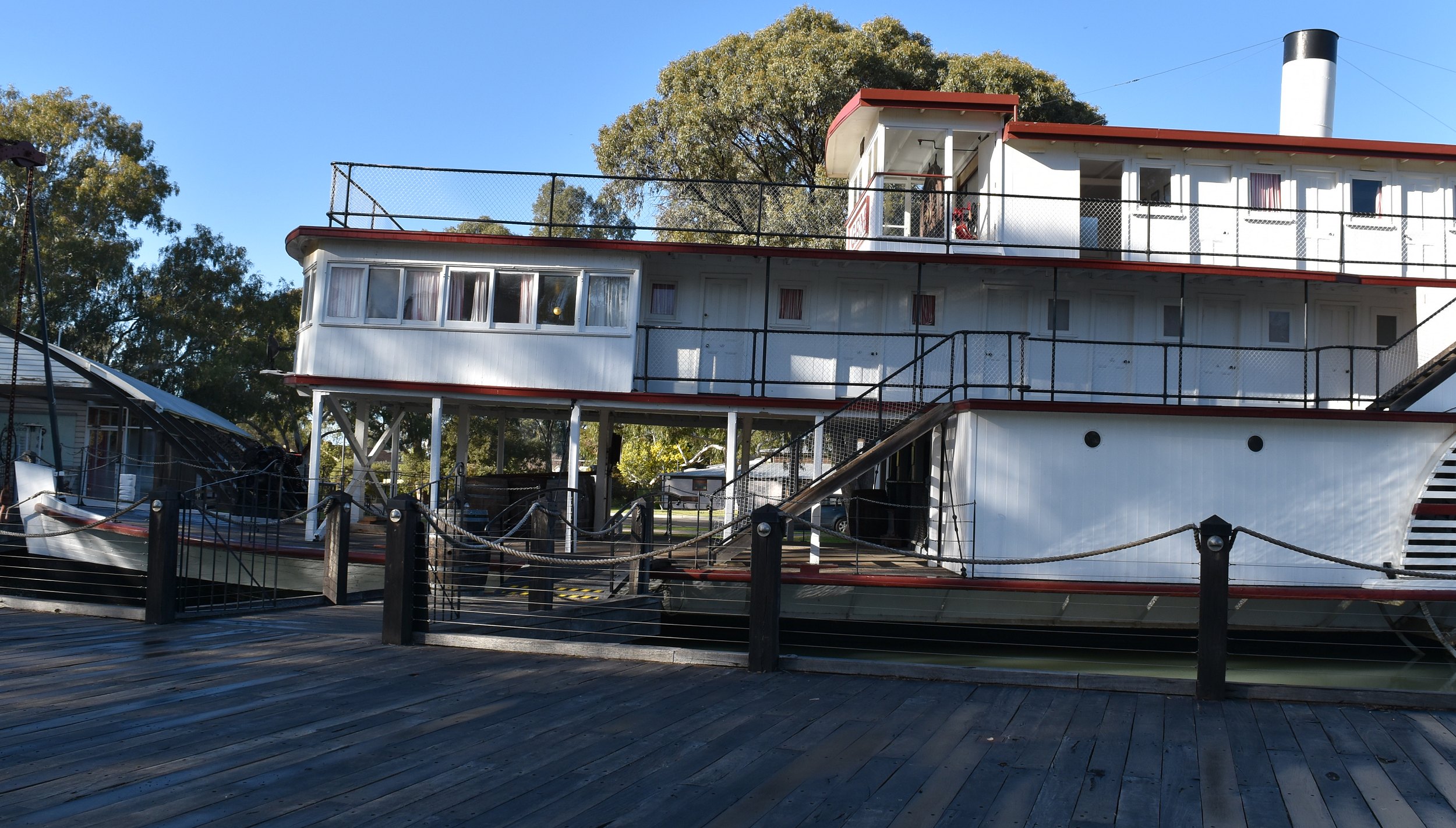
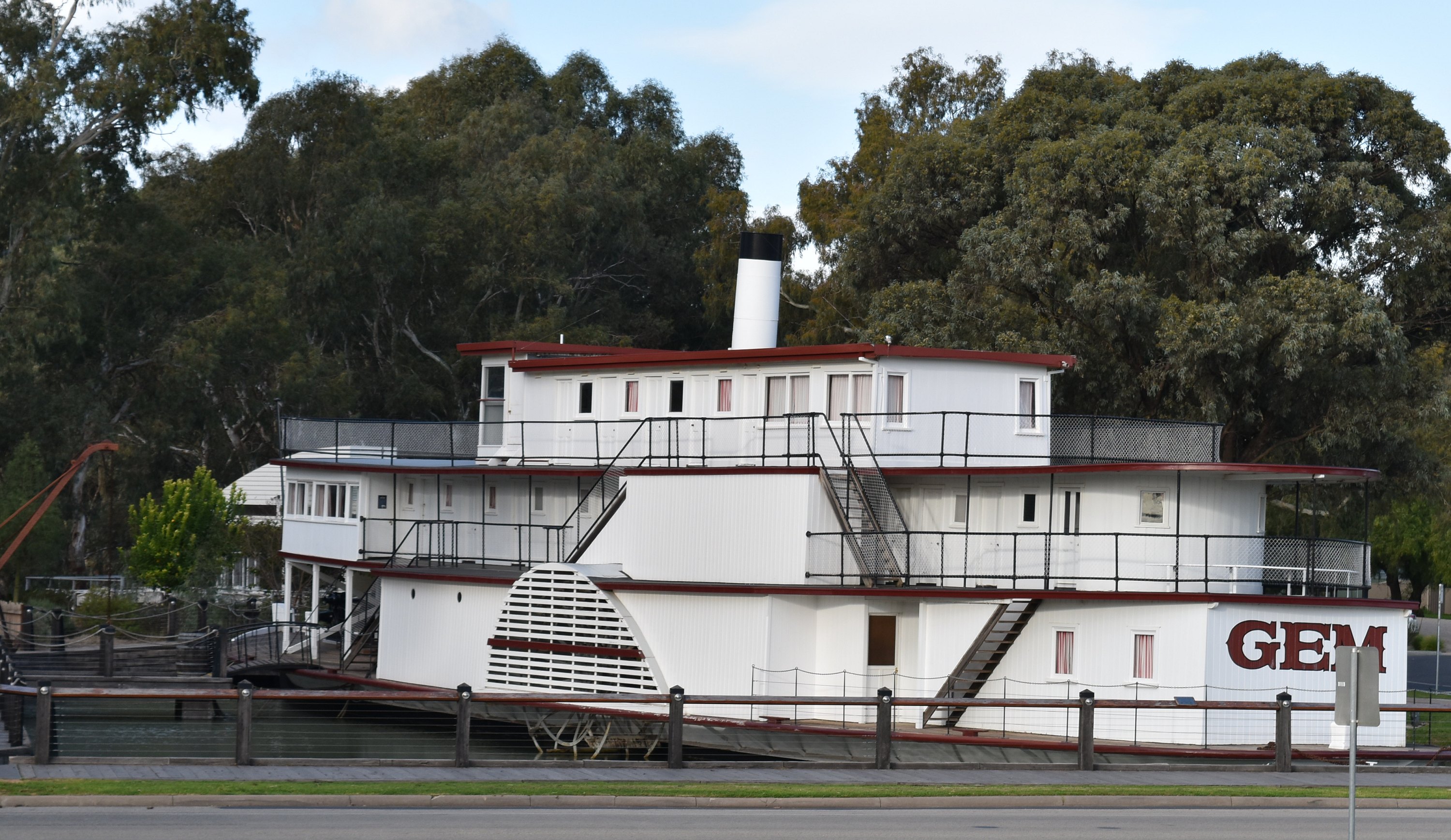
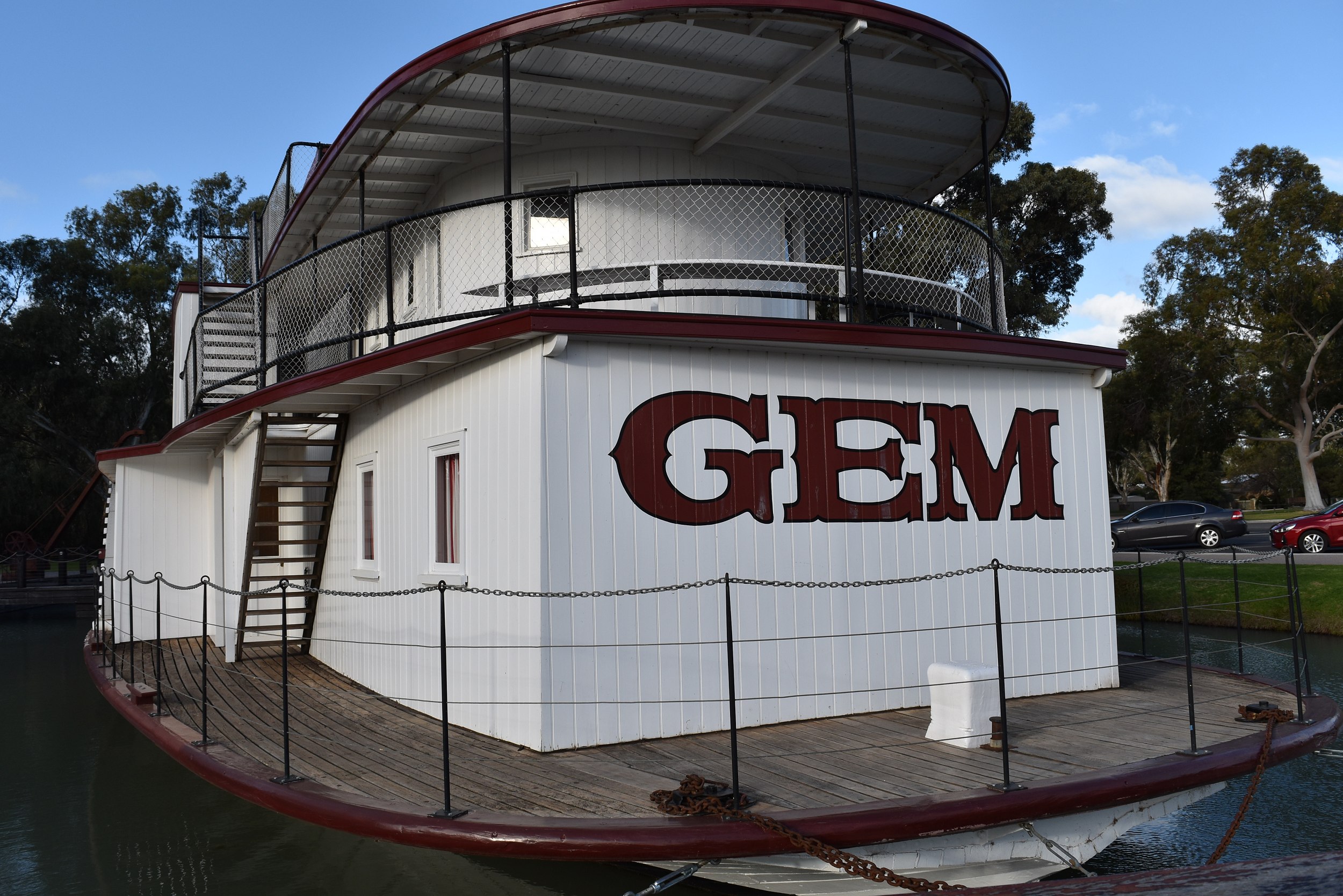
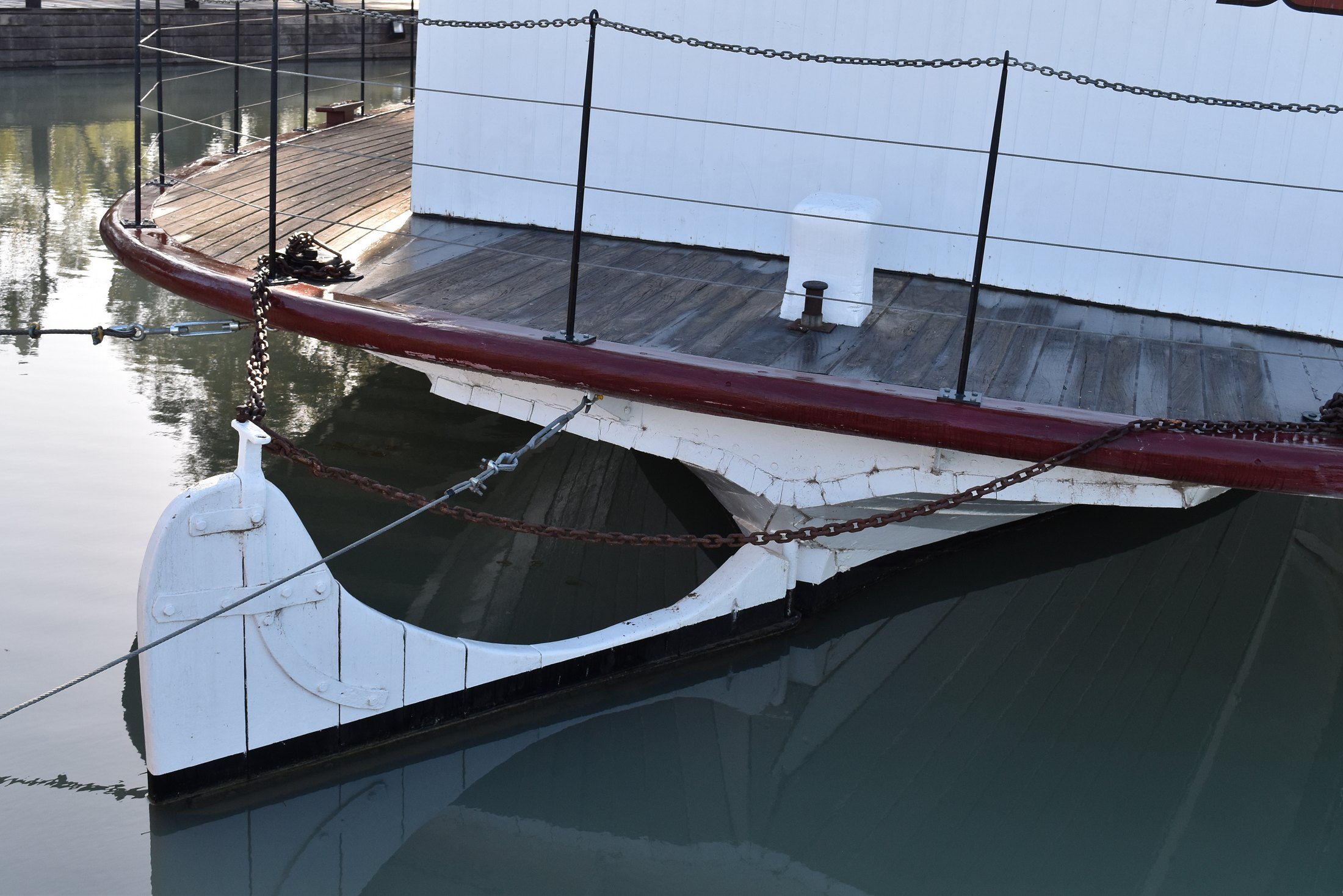
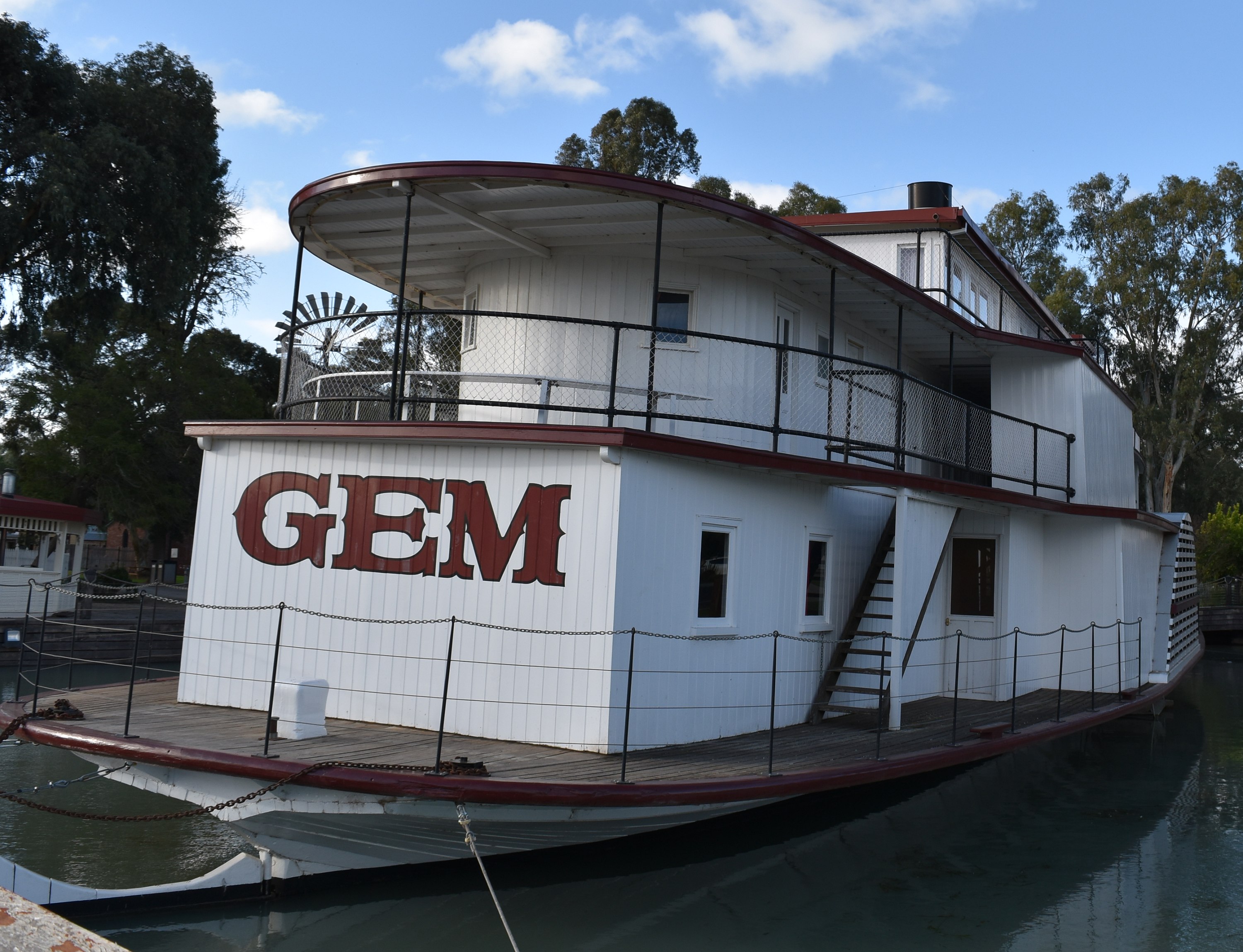
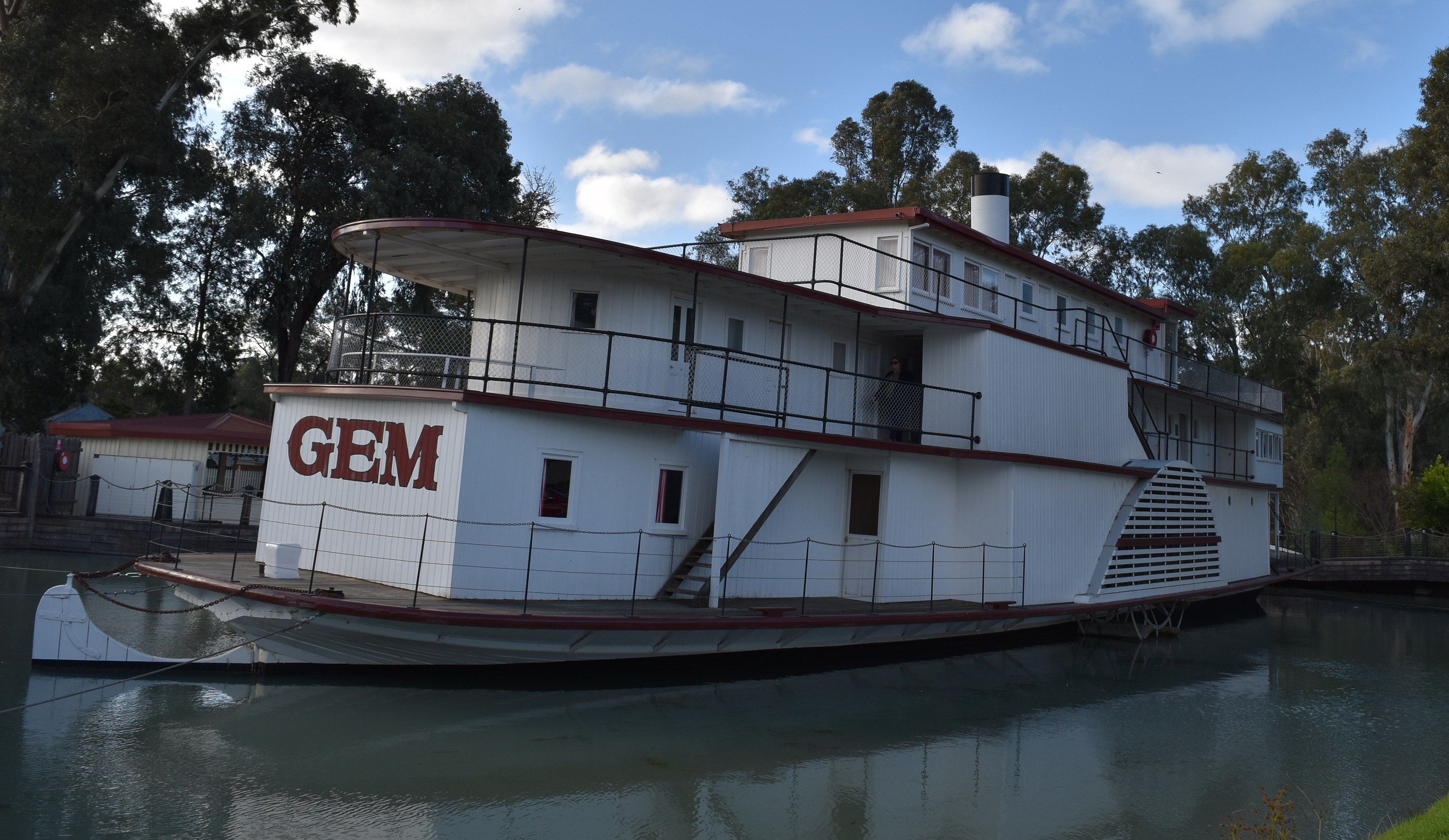
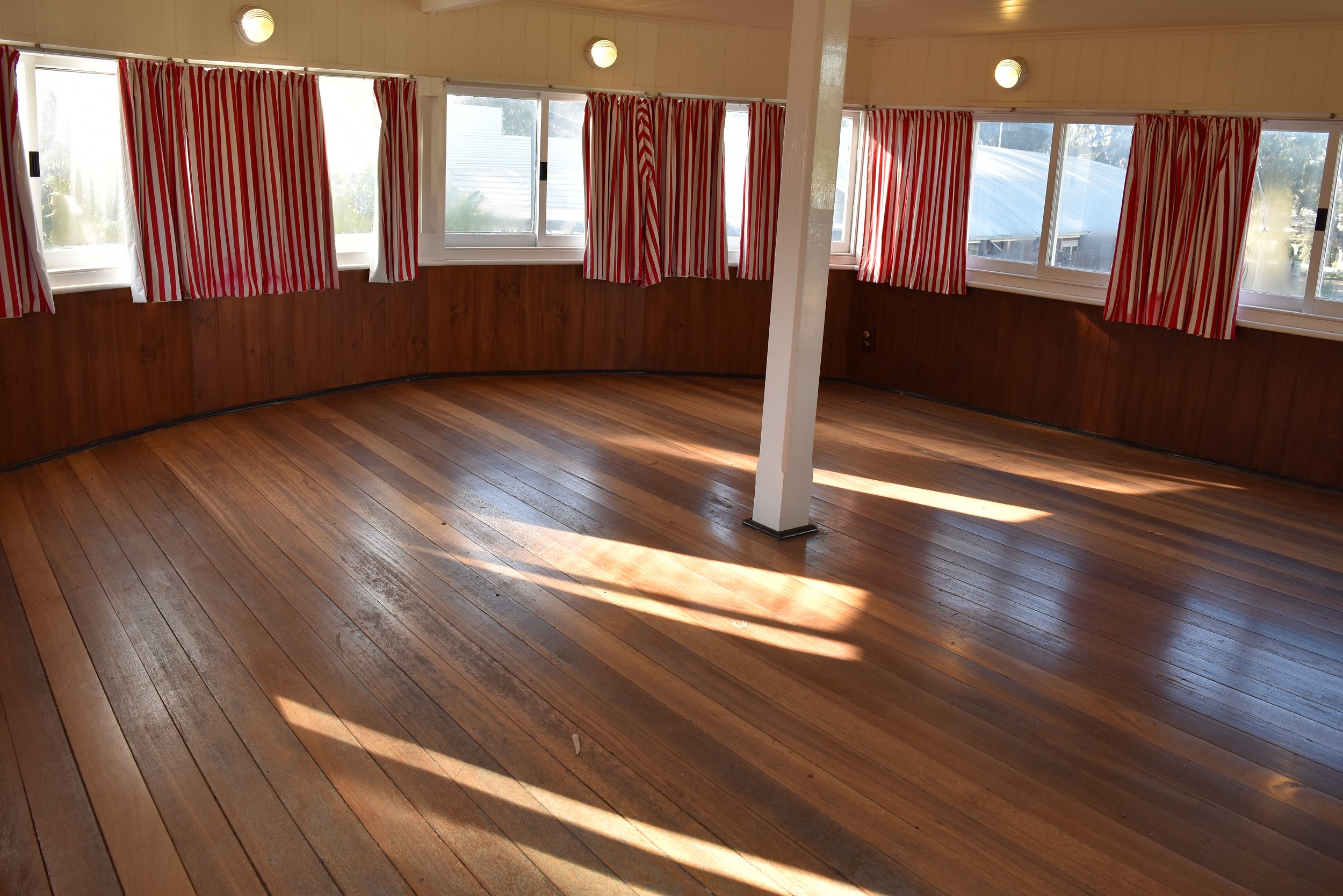
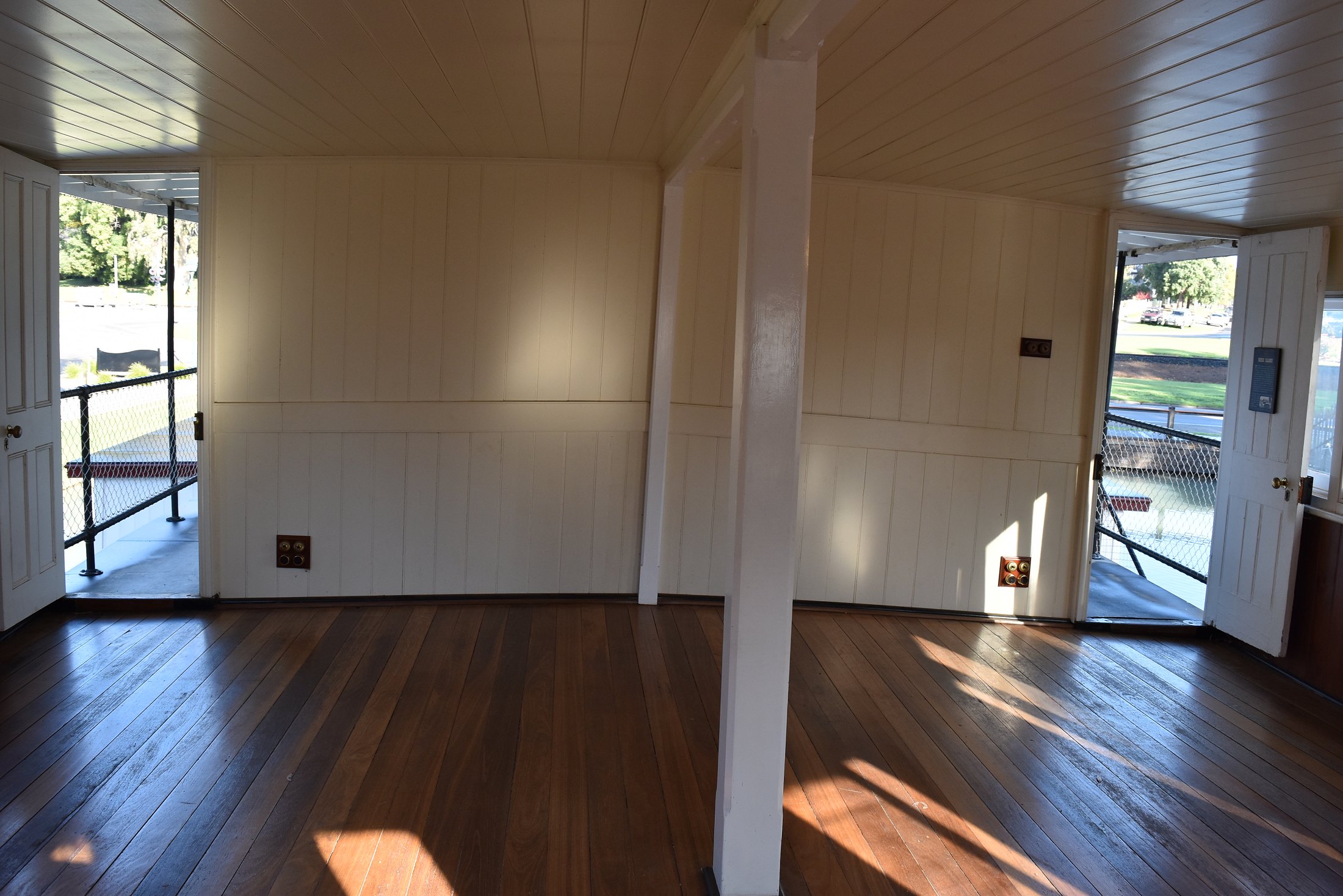
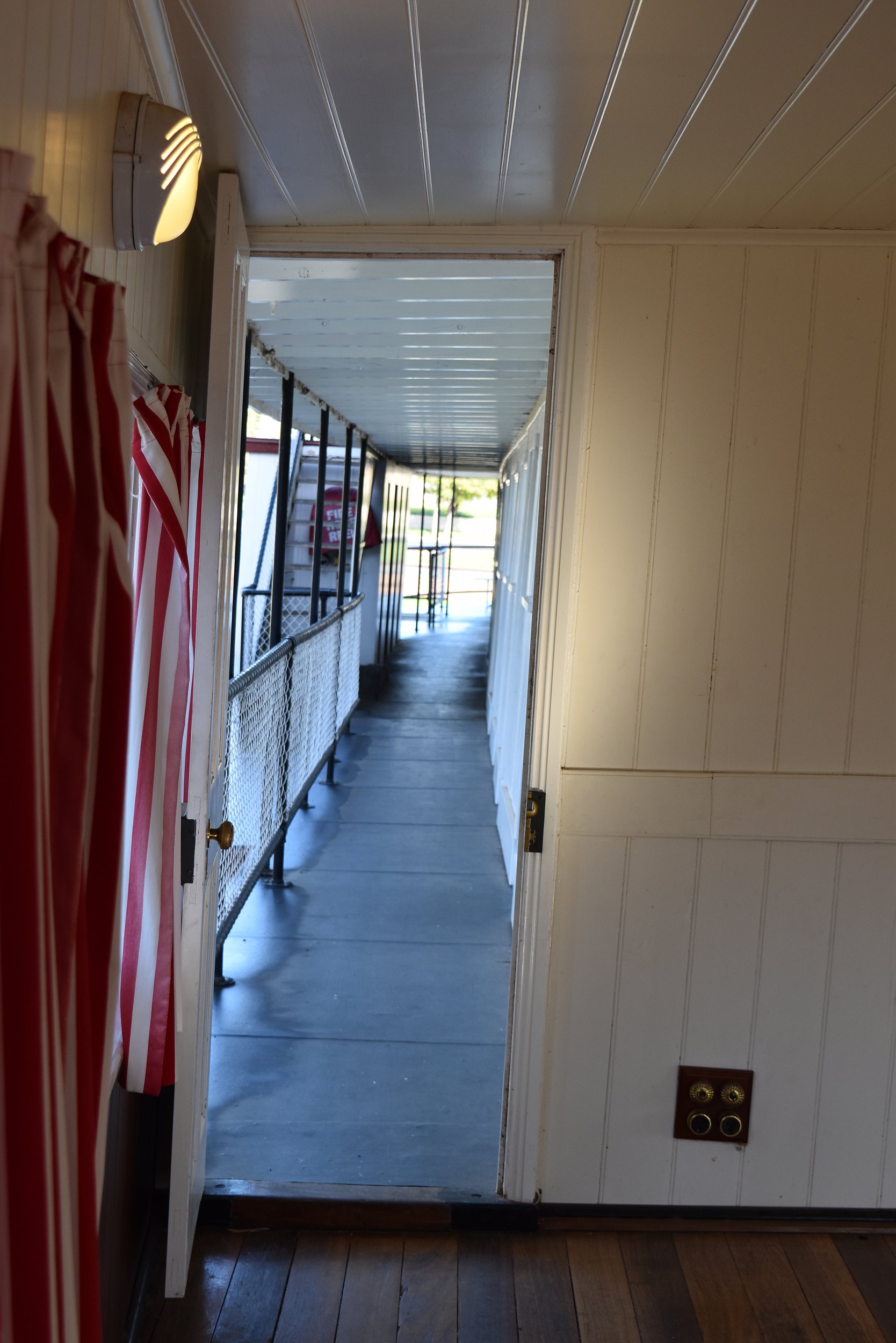
Music Saloon on P.S. Gem, at the Swan River Pioneer Settlement.
From information panel on door:
MUSIC SALOON
The Music Saloon was added in 1982 to cater to the needs of the increasing number of passengers who travelled on cruises and holidays and wanted somewhere on the boat where they could entertain themselves. It was fitted out with a piano and passengers would play and sing old favourites, hymns and popular songs of the period. In the summer the windows could be opened to provide cooling ventilation and in the evening they could be closed to keep the chill, and the relentless mosquitoes, out. The Music Saloon would have been a very pleasant place to spend a chilly afternoon behind the glass which wraps around three sides.
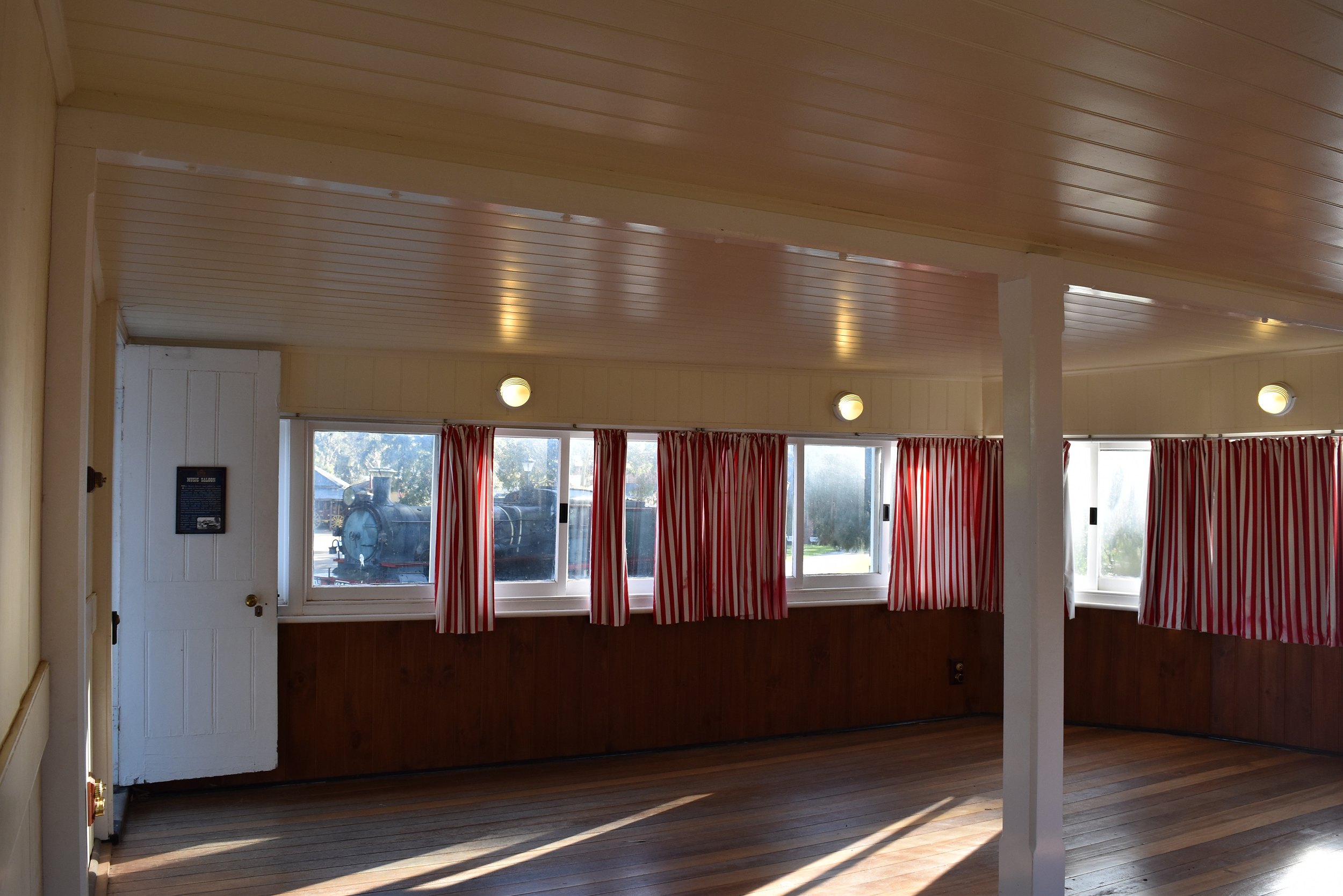


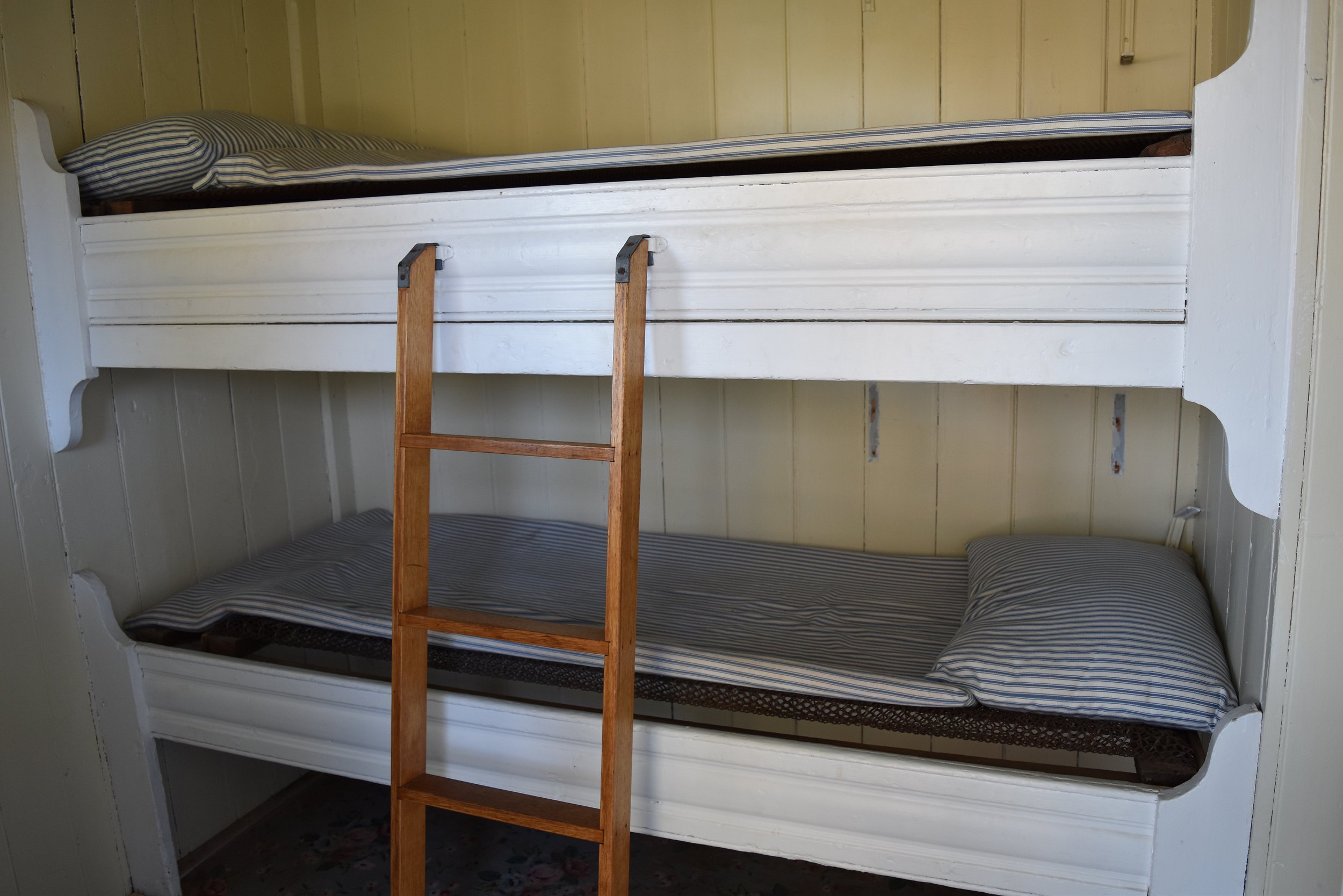
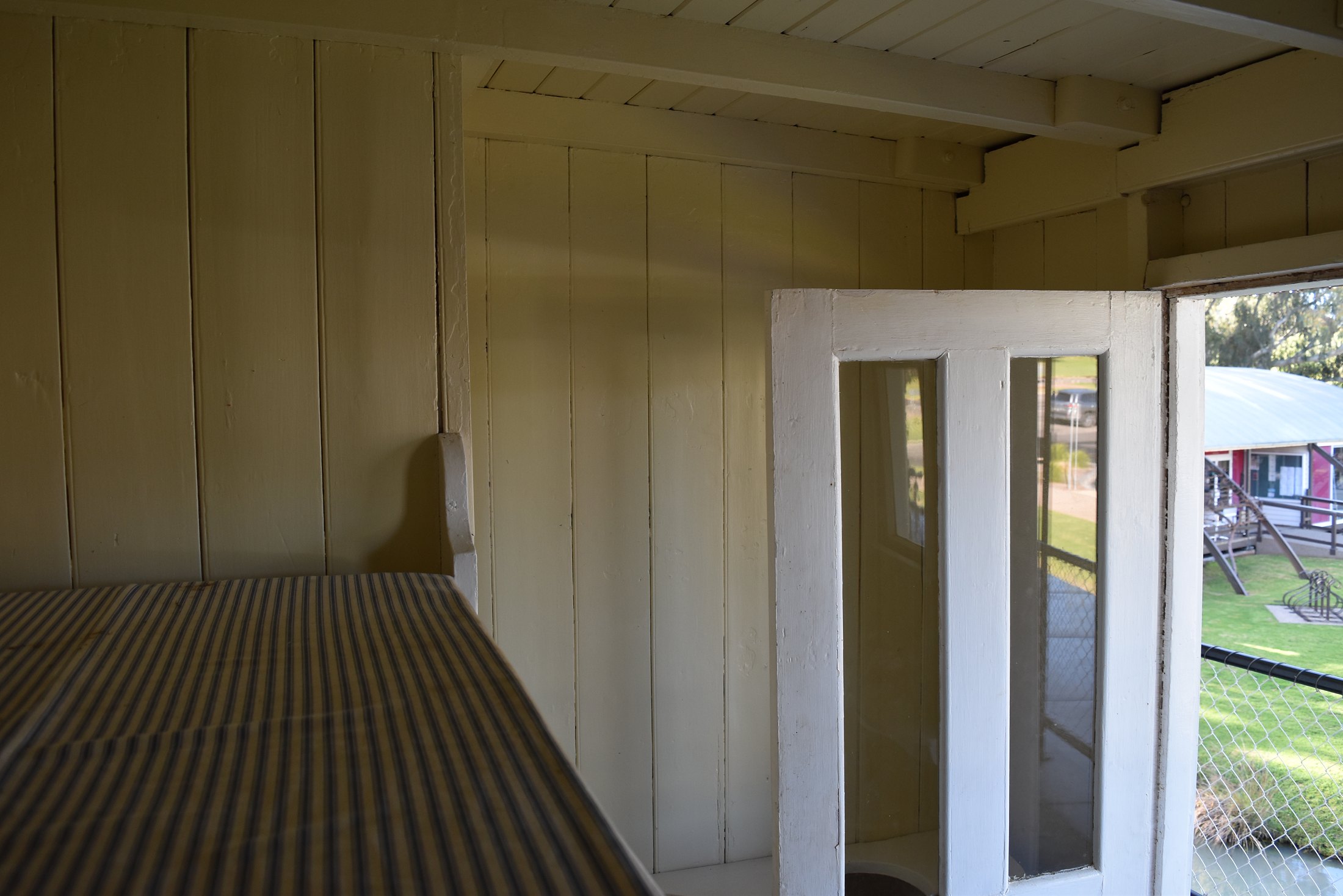
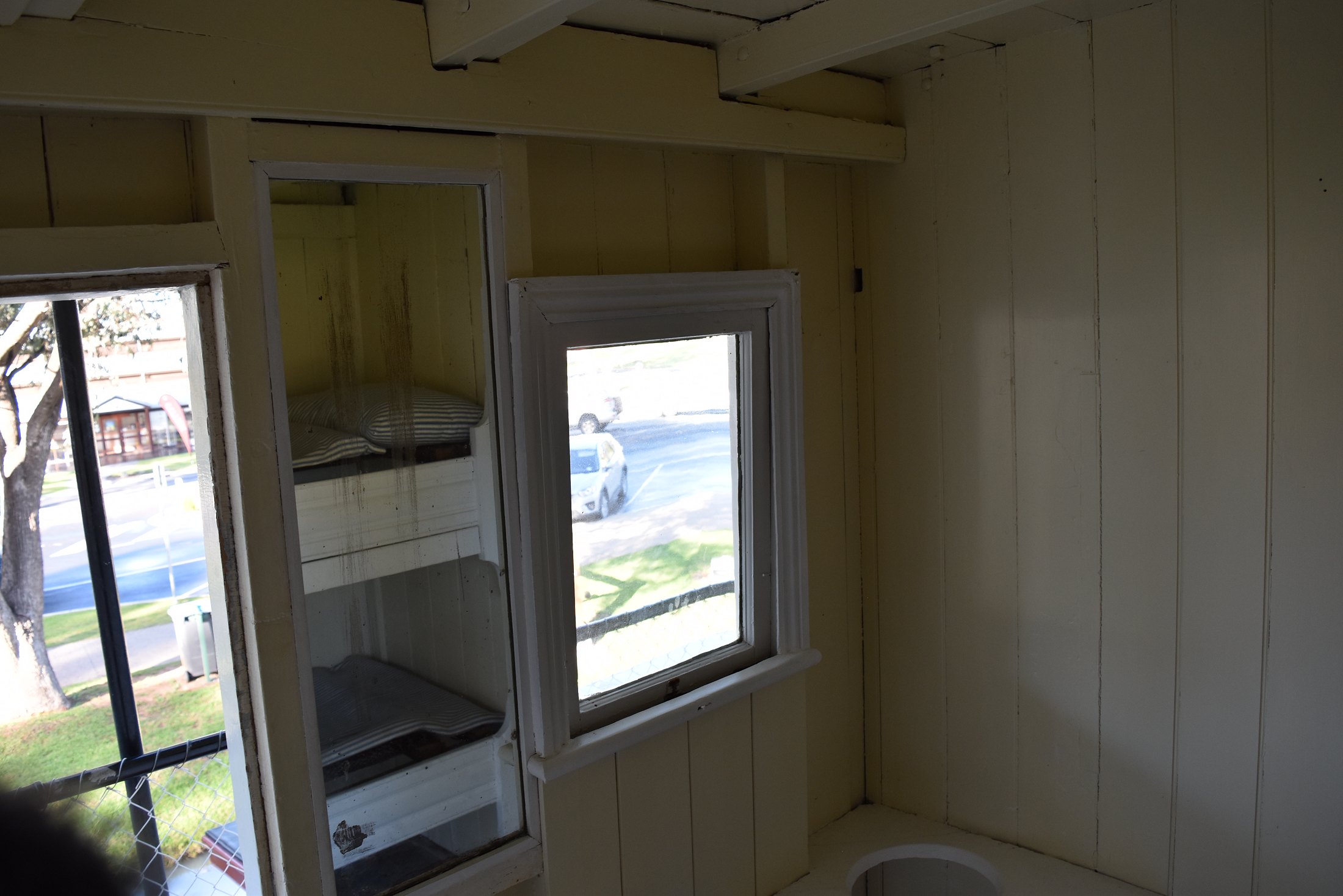
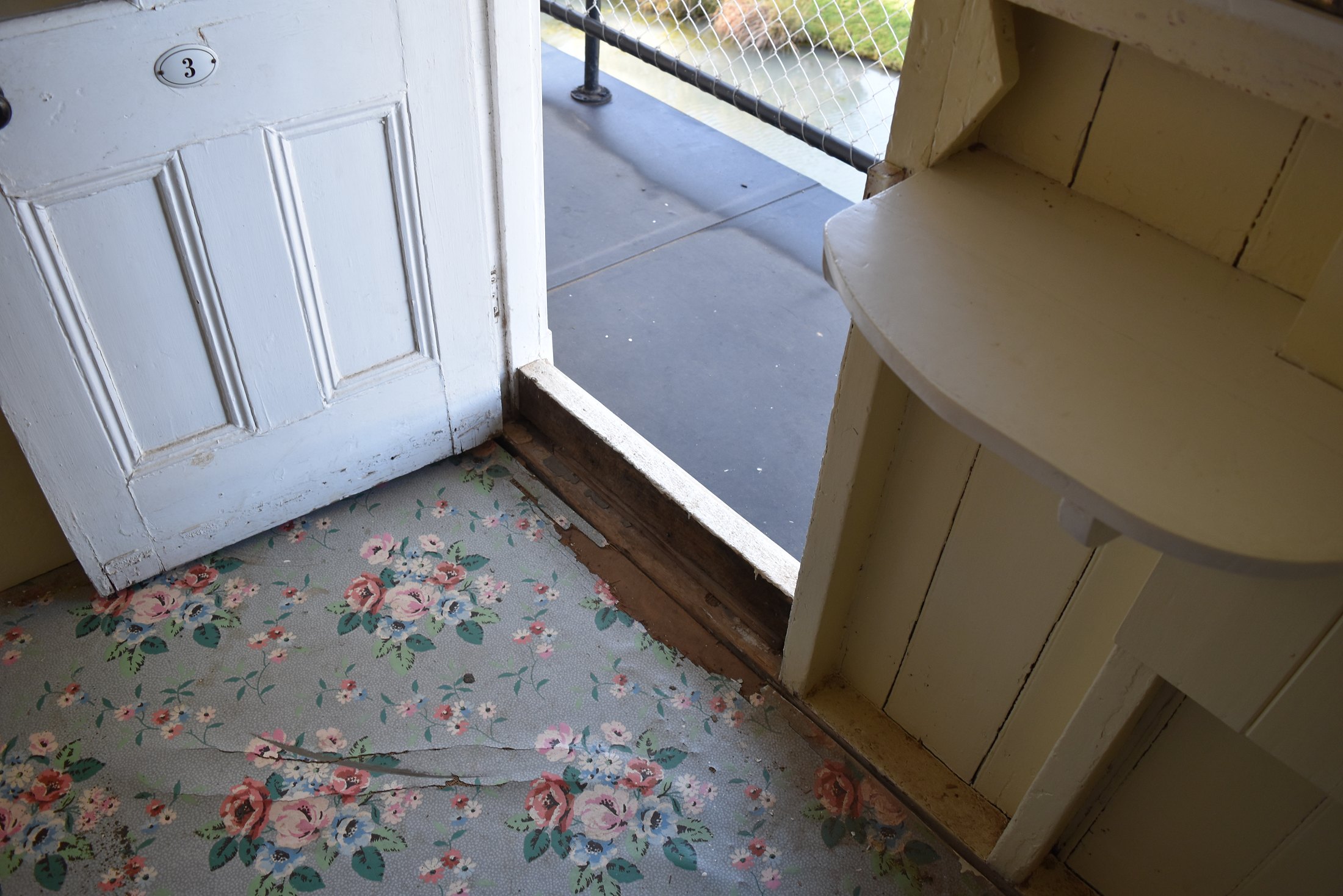
Cabin on P.S. Gem, at the Swan River Pioneer Settlement.
From information panel:
PASSENGER CABINS
For all her luxurious fittings elsewhere, the cabins on the Gem were simple and straightforward, if not a little on the small size. It was joked that cabins were kept deliberately small in order to reduce the number of mosquitoes that had to be killed before settling down for the night. Not all passengers had even this level of comfort in their accommodation; deck passengers essentially purchased only standing room on the passenger deck. They would have to find their own berth for the night, usually an uncomfortable one, lying on the deck cargo of wool bales. barrels or crates. At least the crew had folding bunks!