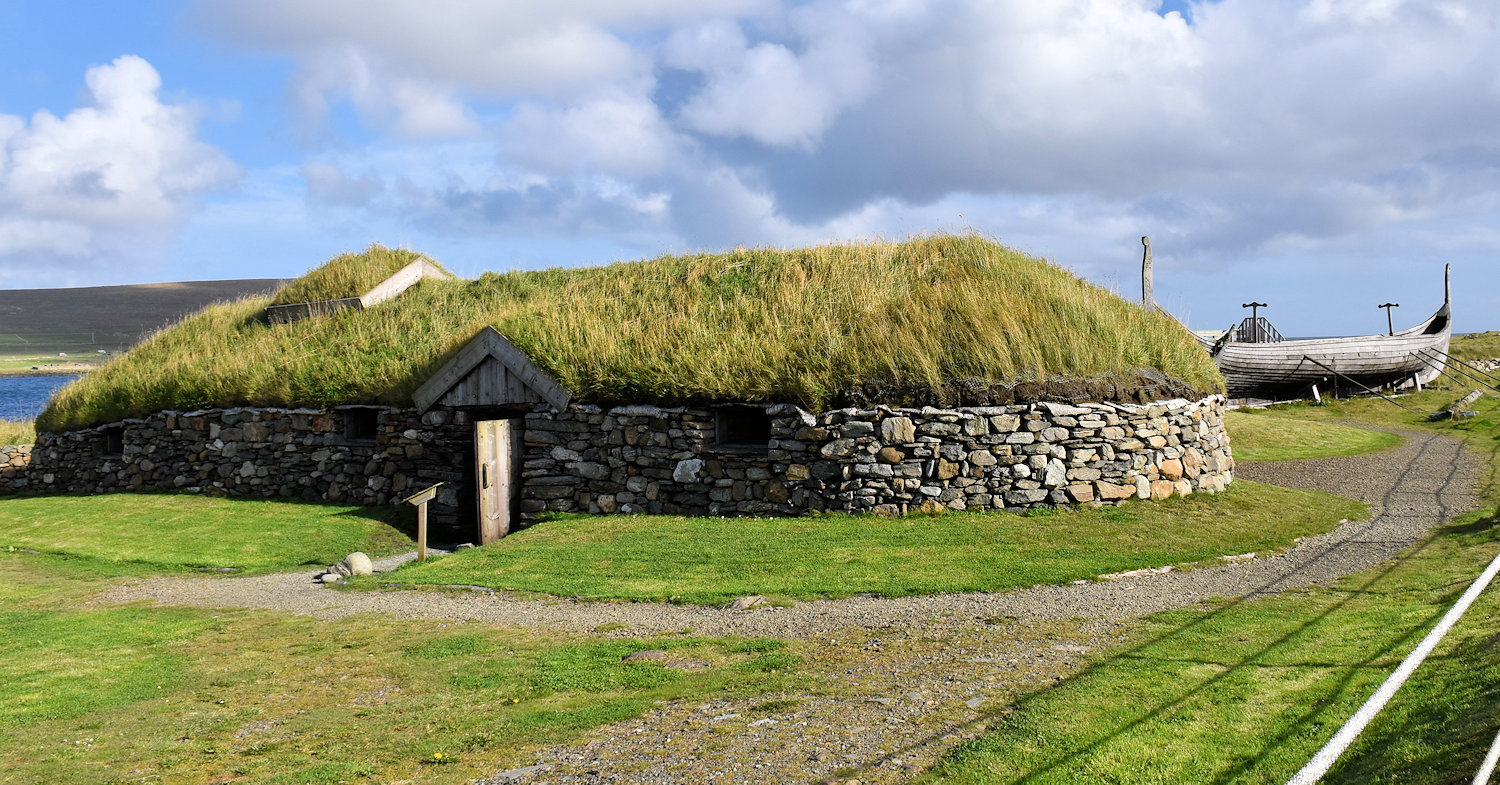
Viking longhouse & ship, Haroldswick, Unst, Shetland

More information: Shetland Amenity Trust

Longhouse

From information panel on site:
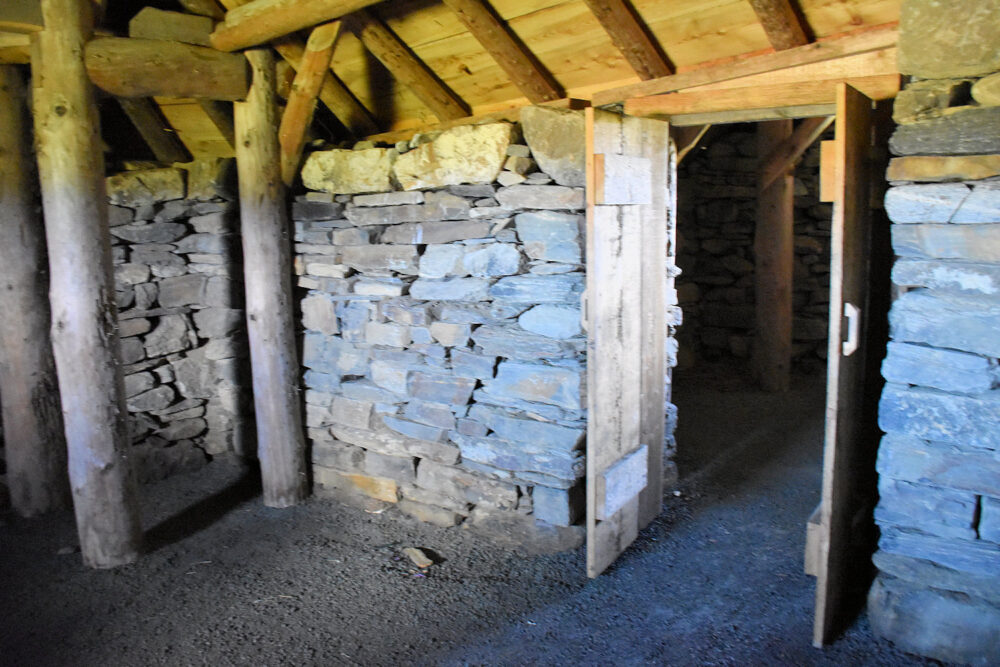
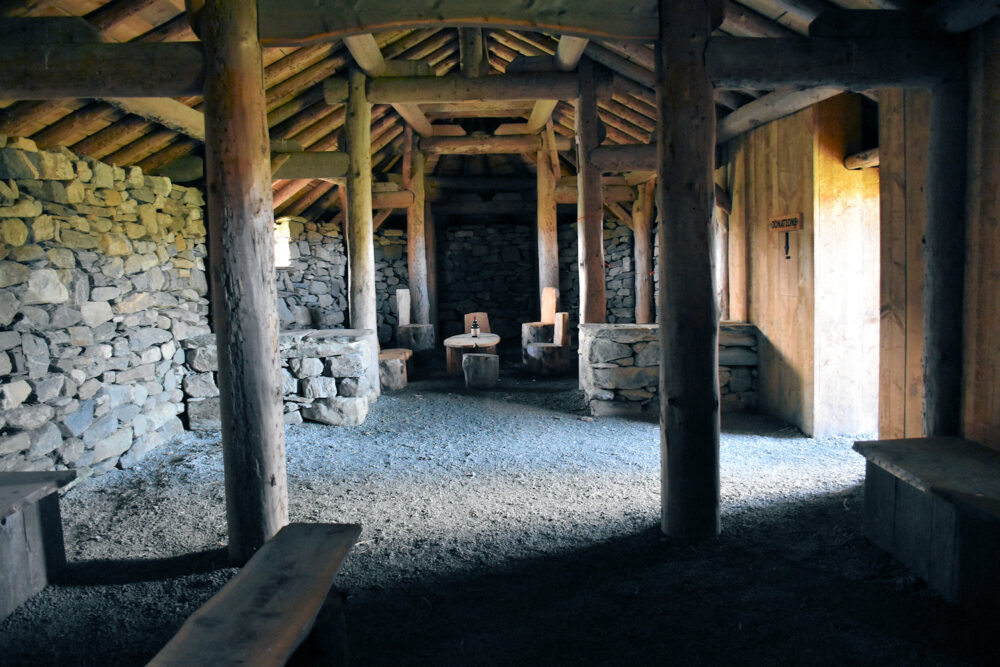
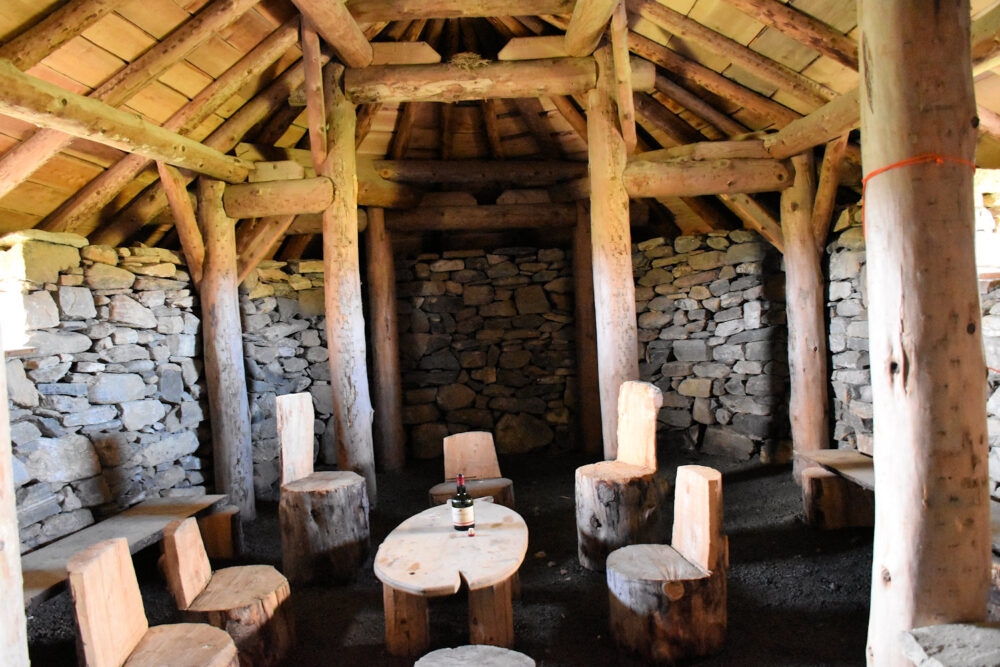
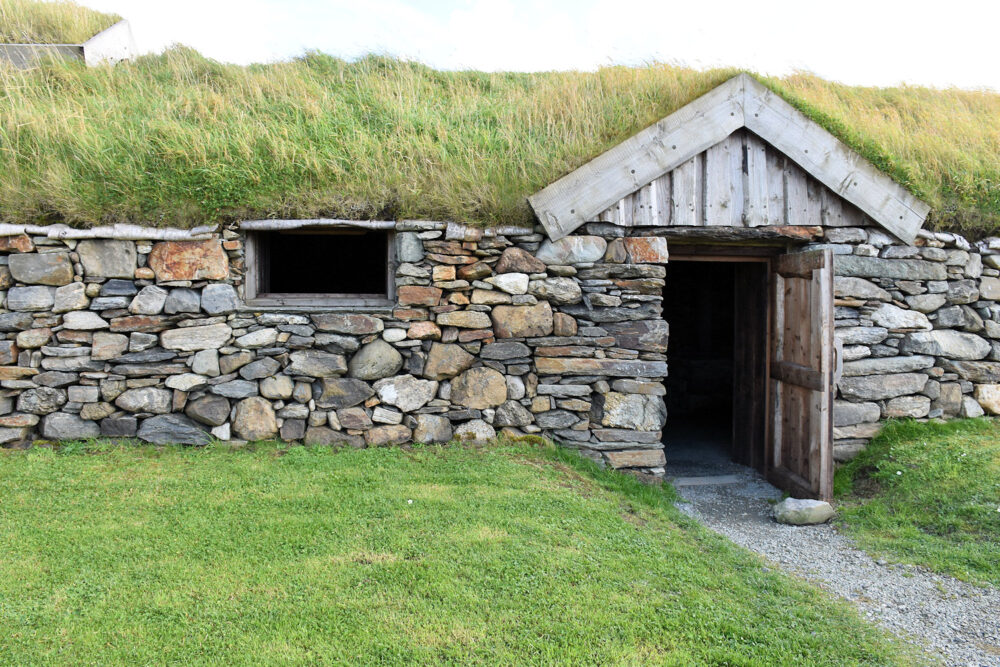
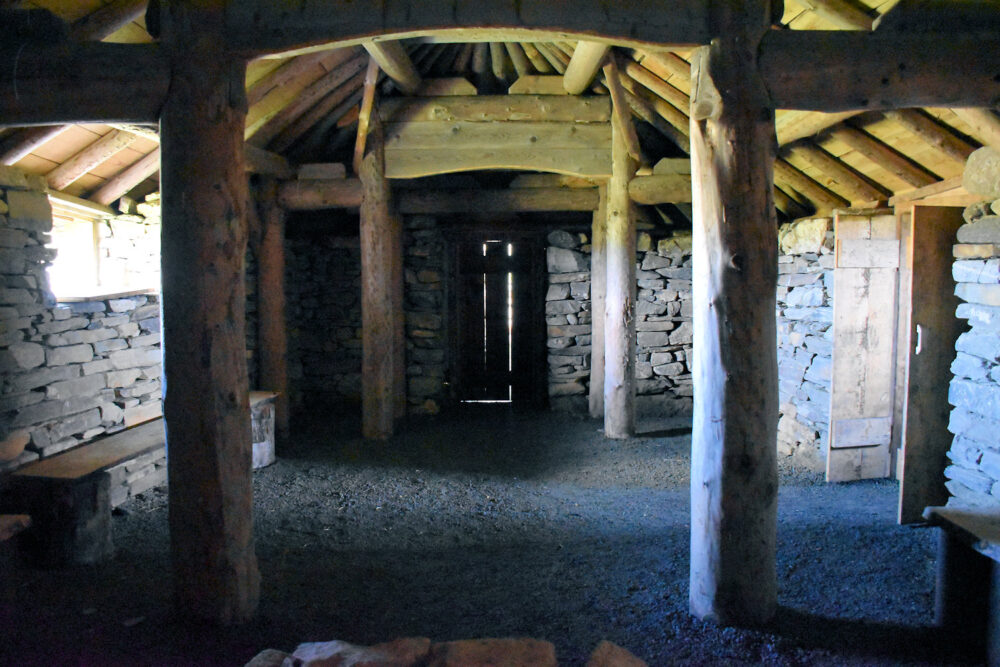
Today there are the remains of at least 60 Norse longhouses in the island, the largest number of rural sites anywhere in the Viking World. Three were excavated between 2006-2010 at Hamar, Underhoull and Belmont. Archaeologists discovered that none of the sites were exactly the same. Some had stone walls, some turf walls, some had beaten earth floors, some were paved with stones and one even had a wooden floor. This replica longhouse has been built using the information obtained during the excavations. It is based on the discoveries from Hamar, but has side rooms added – like those found at Underhoull.
Read more

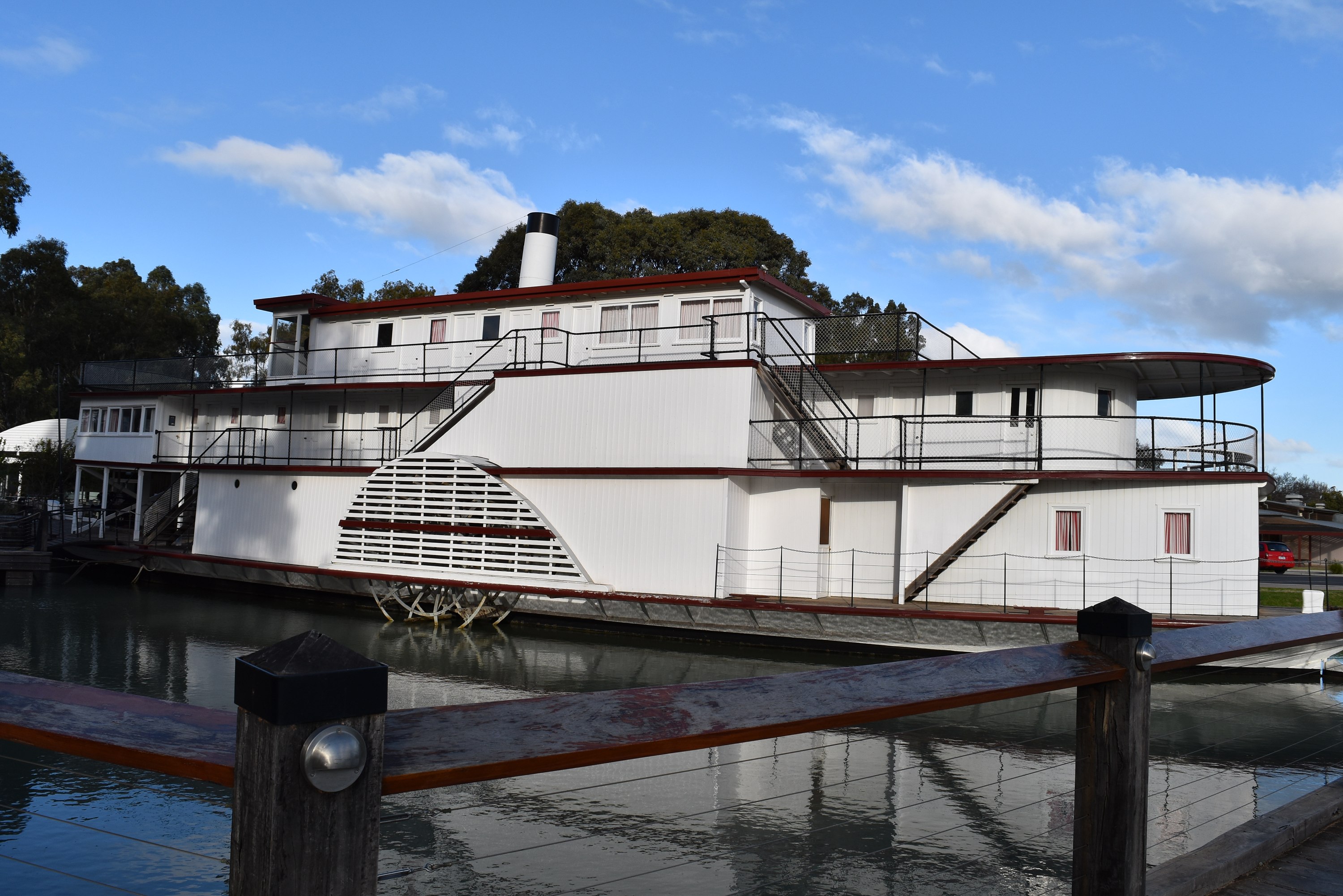
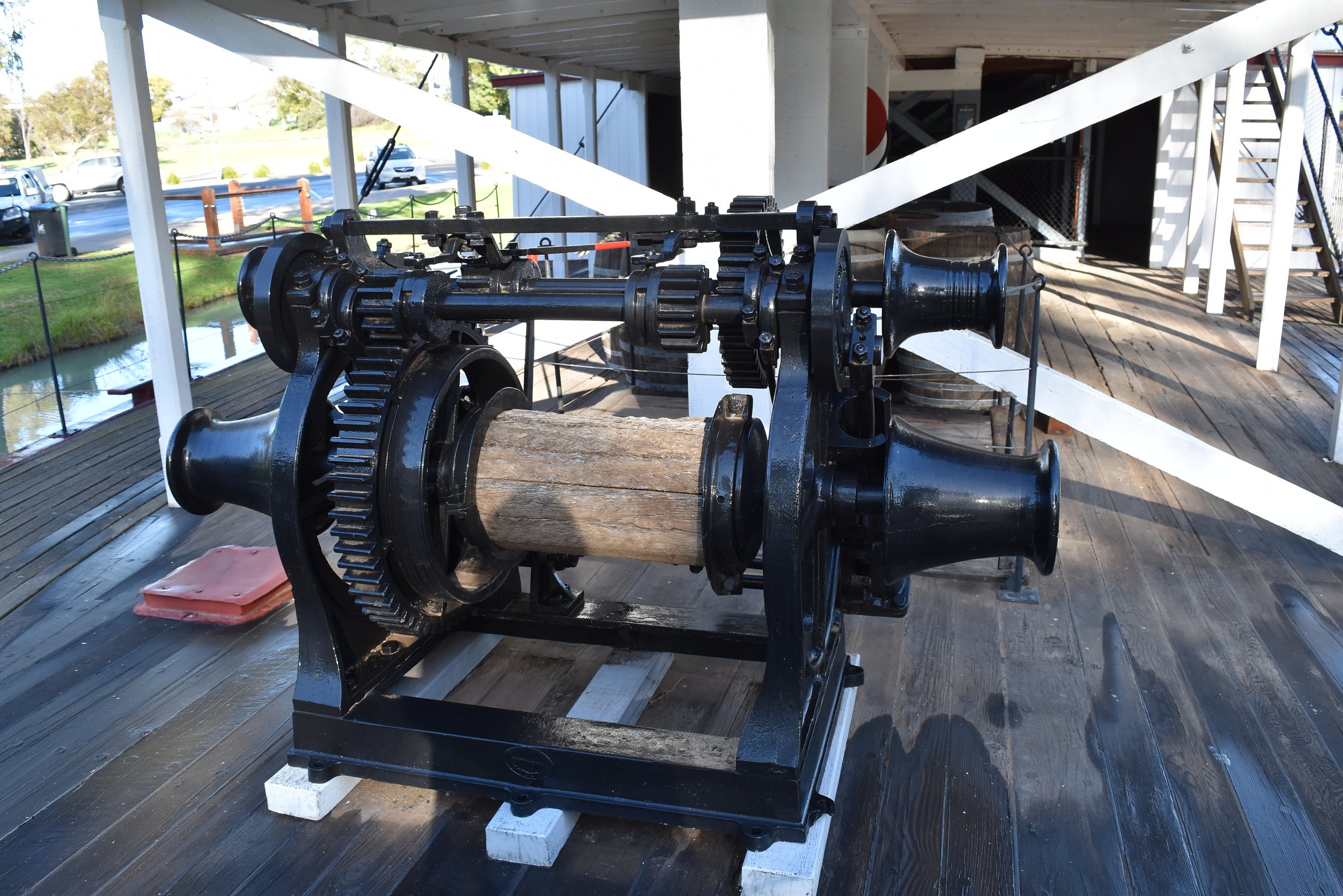
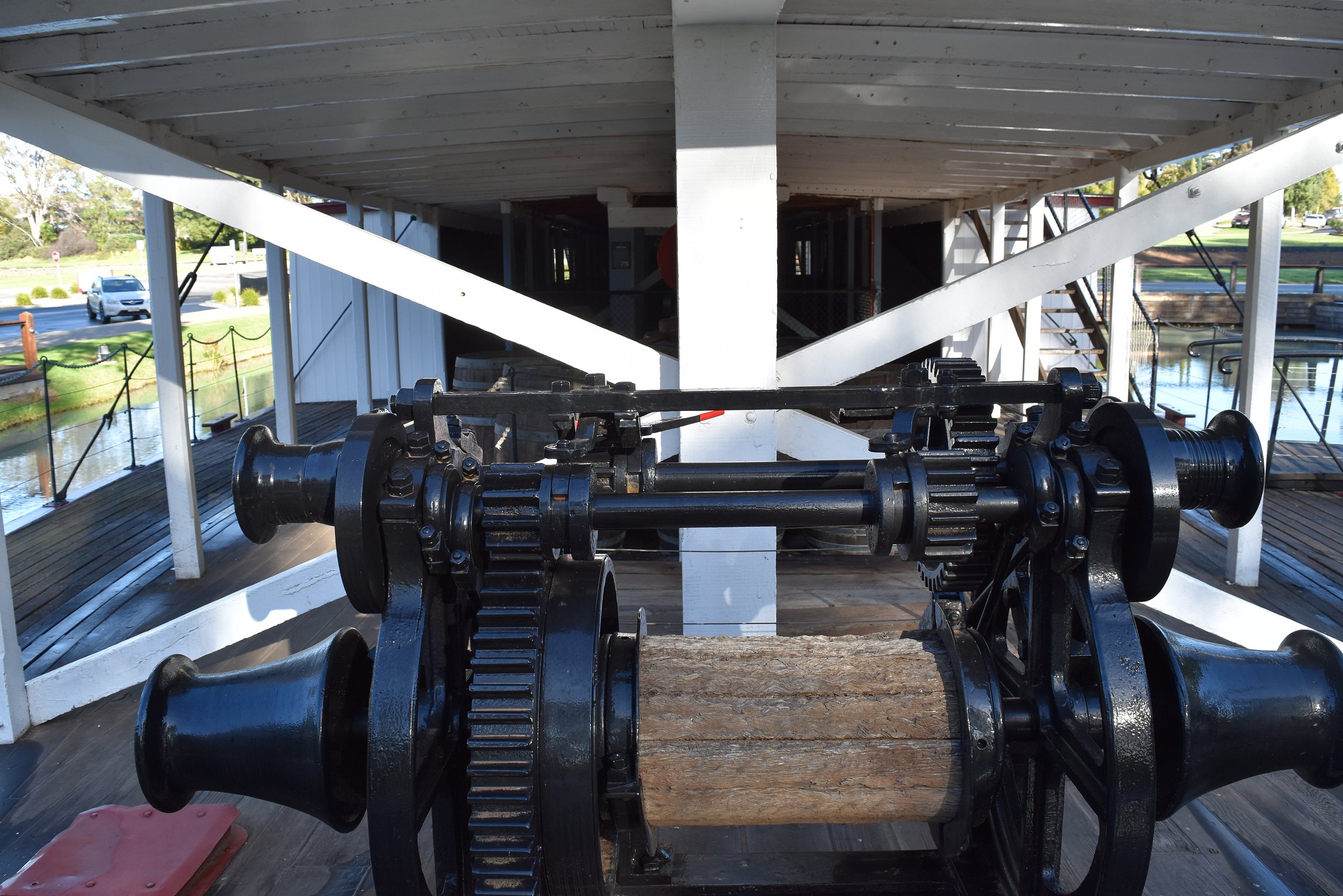
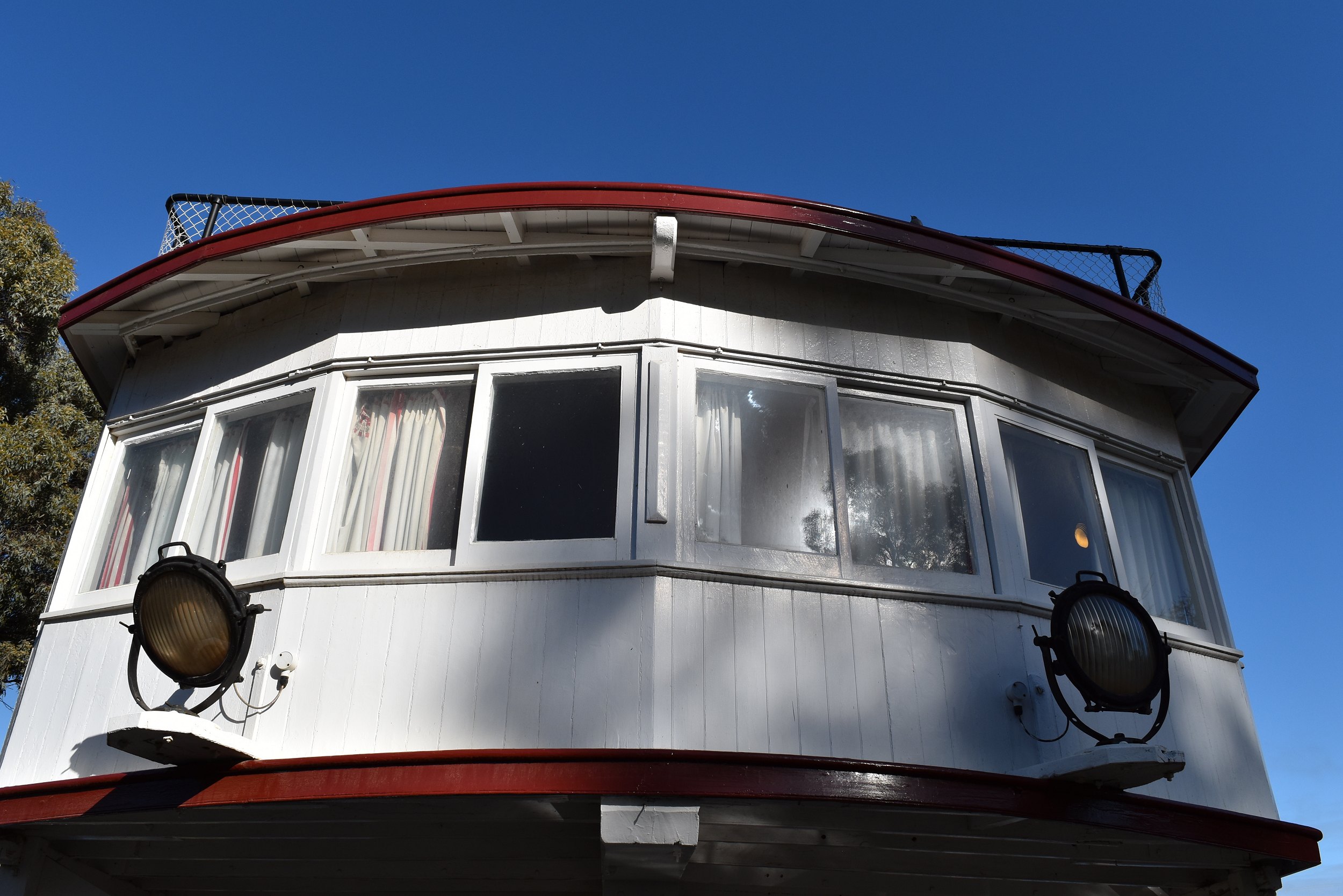
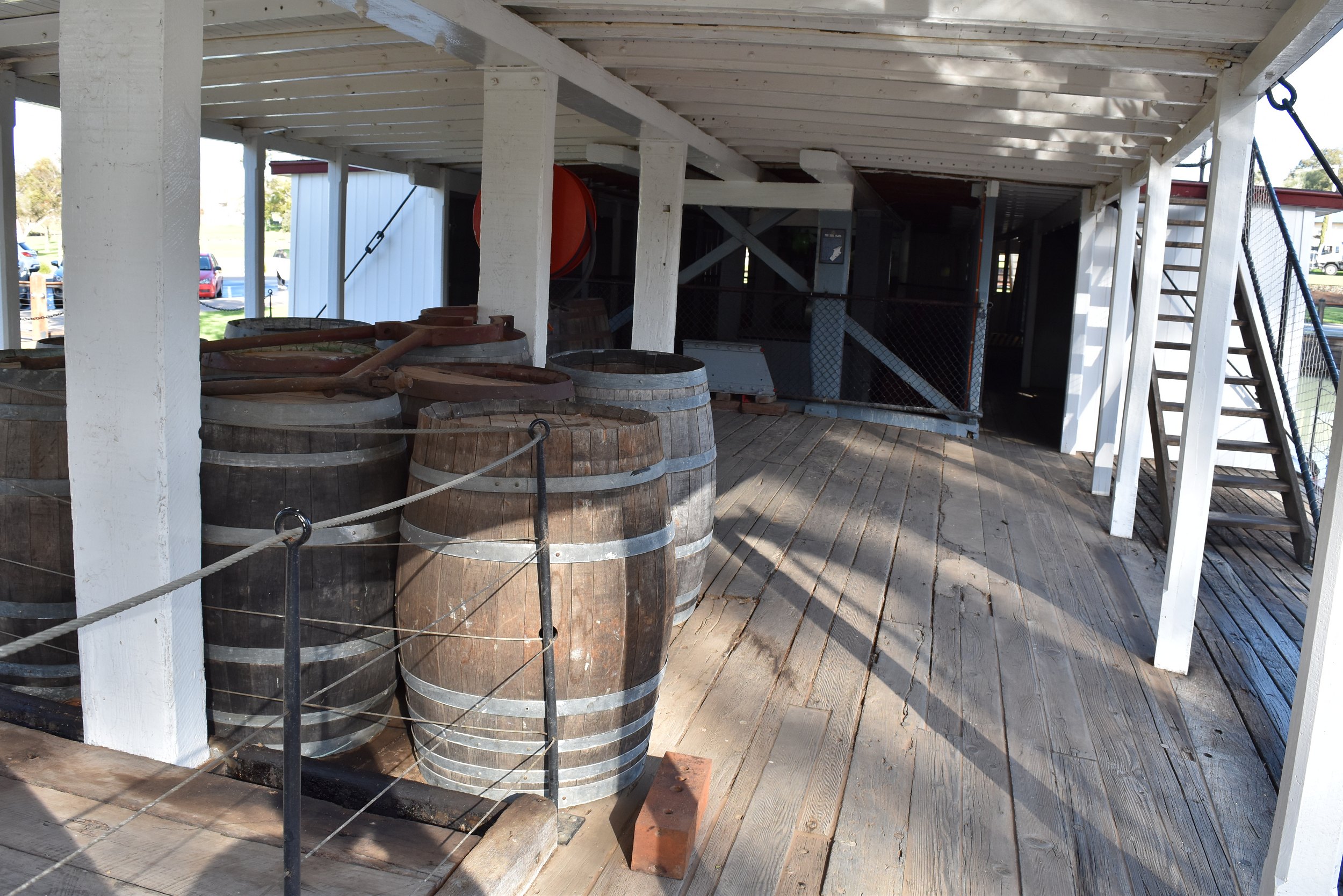
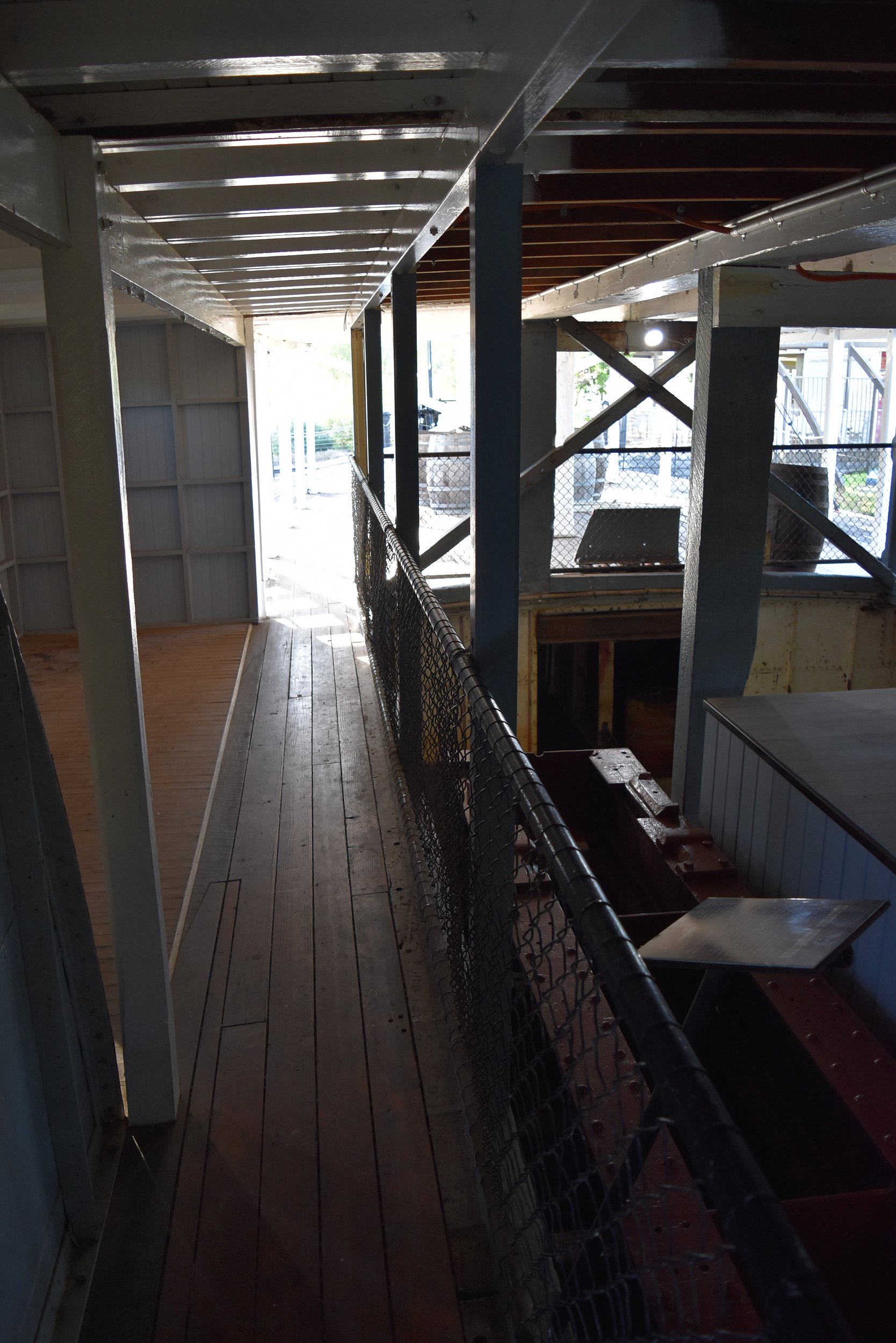
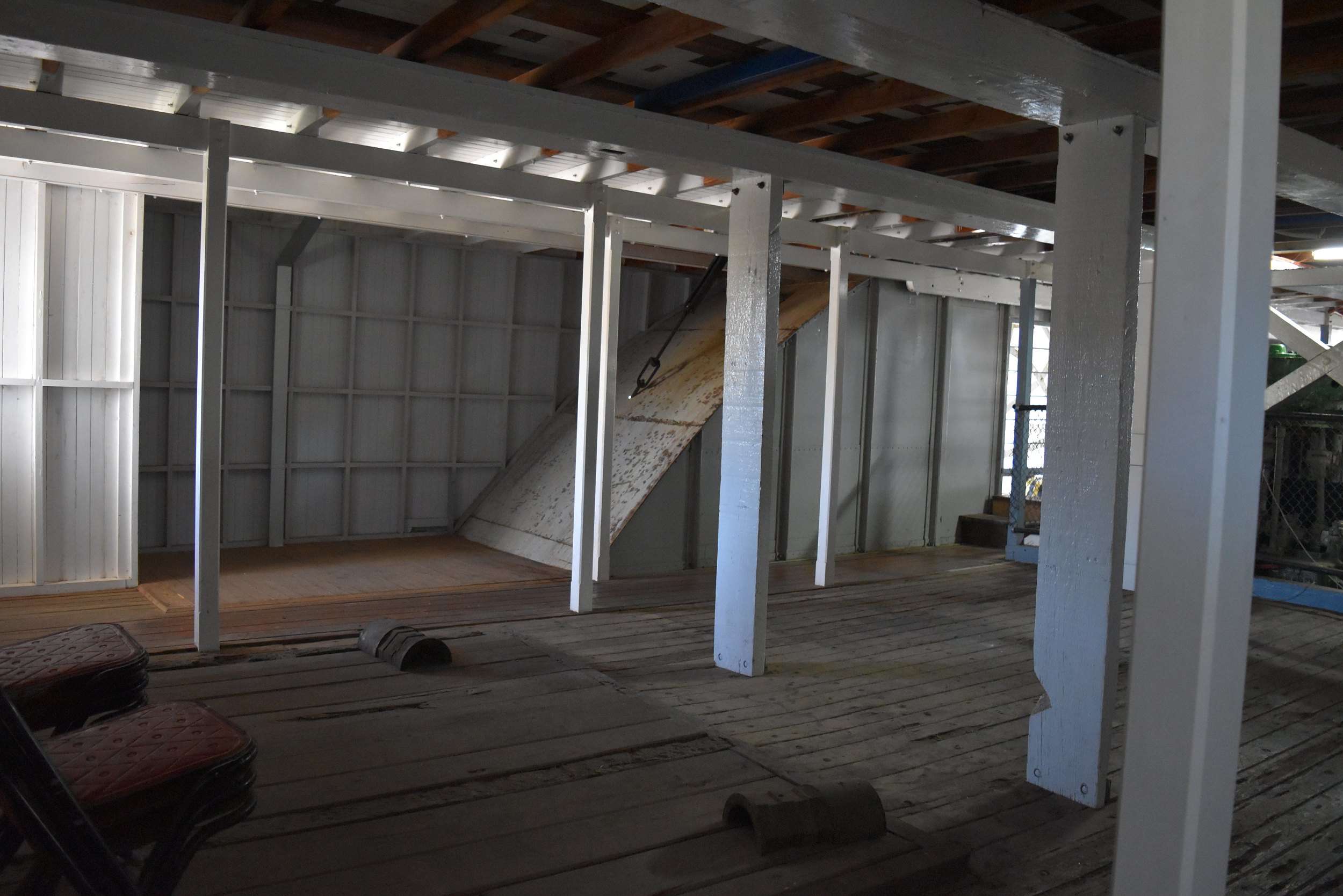
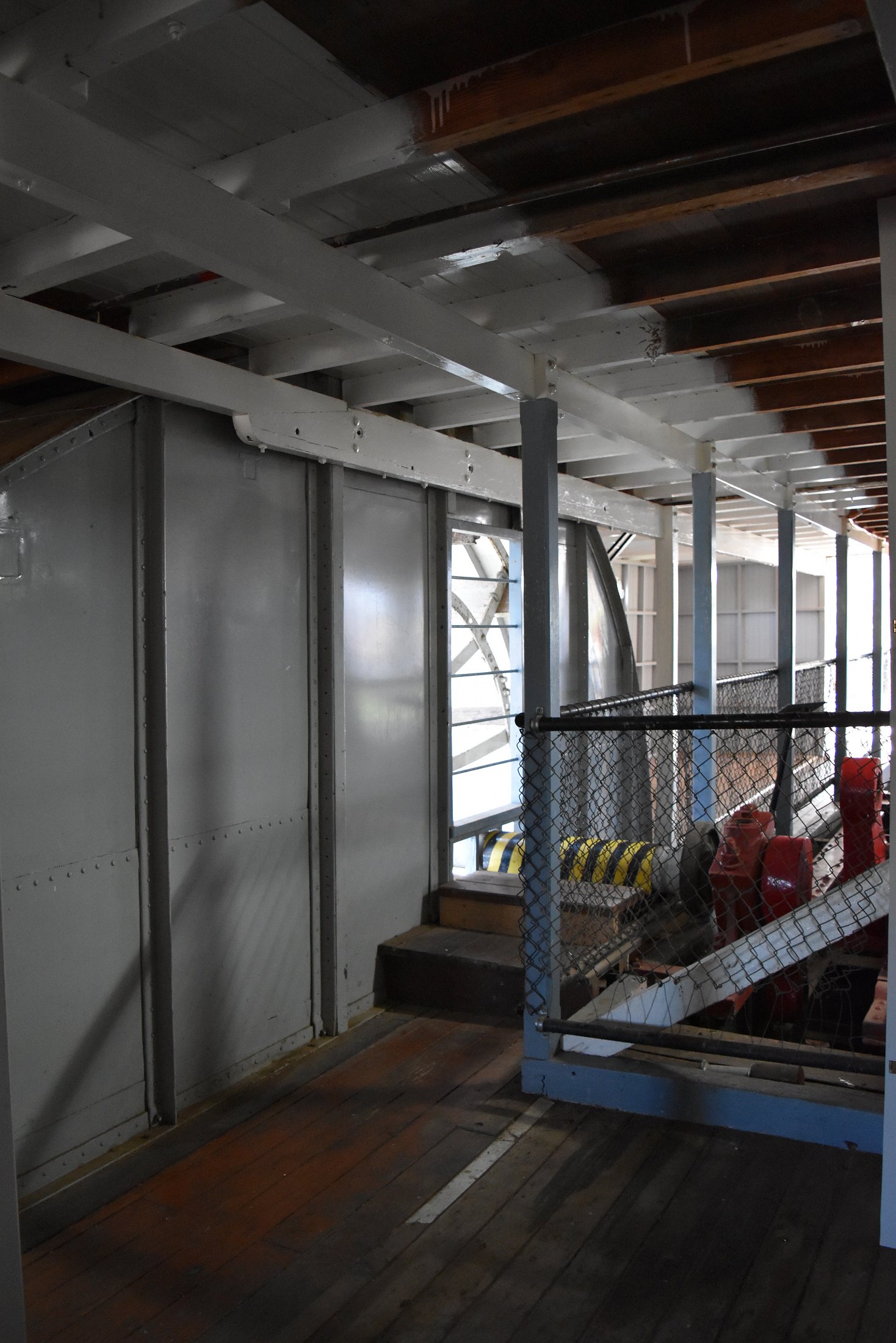
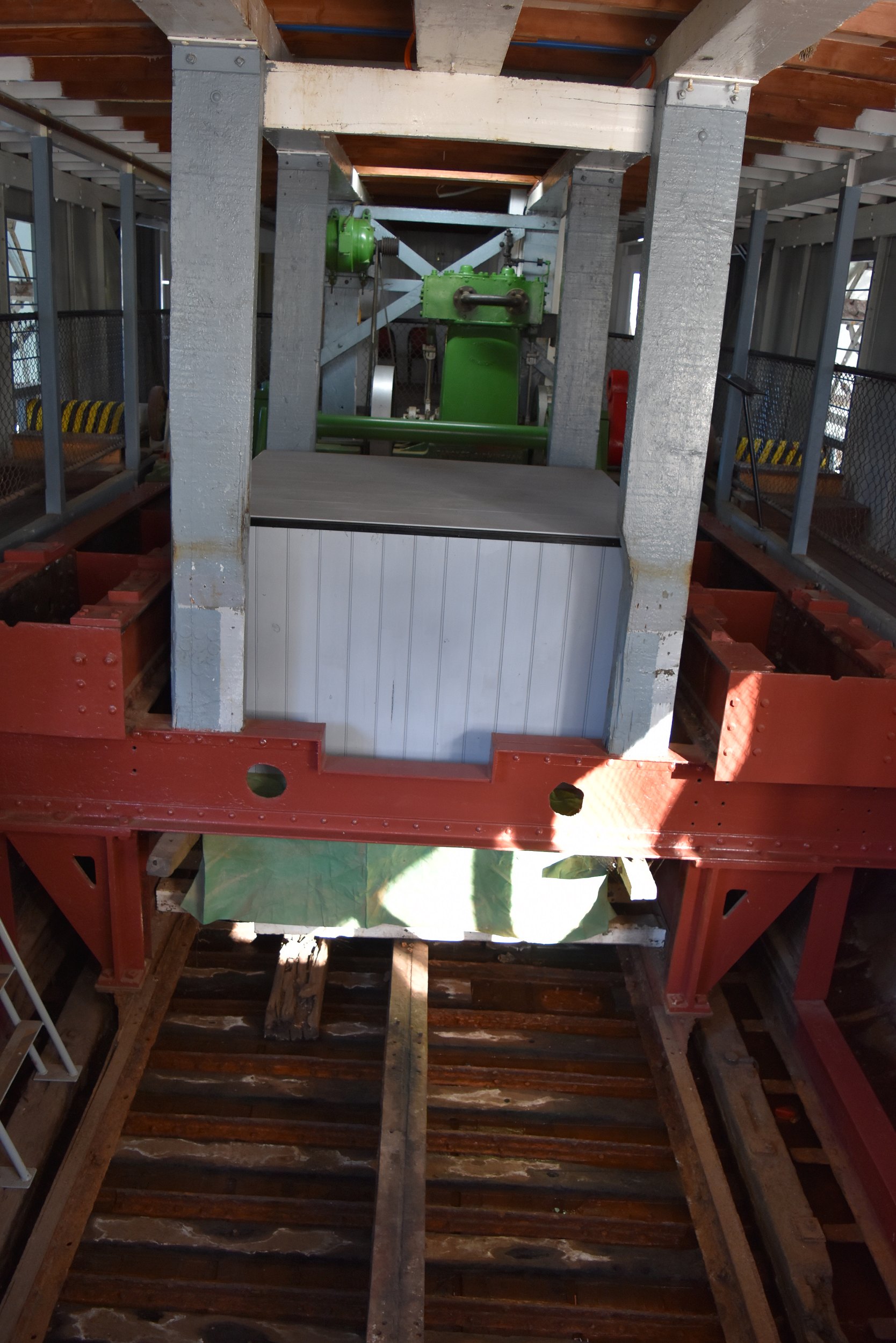
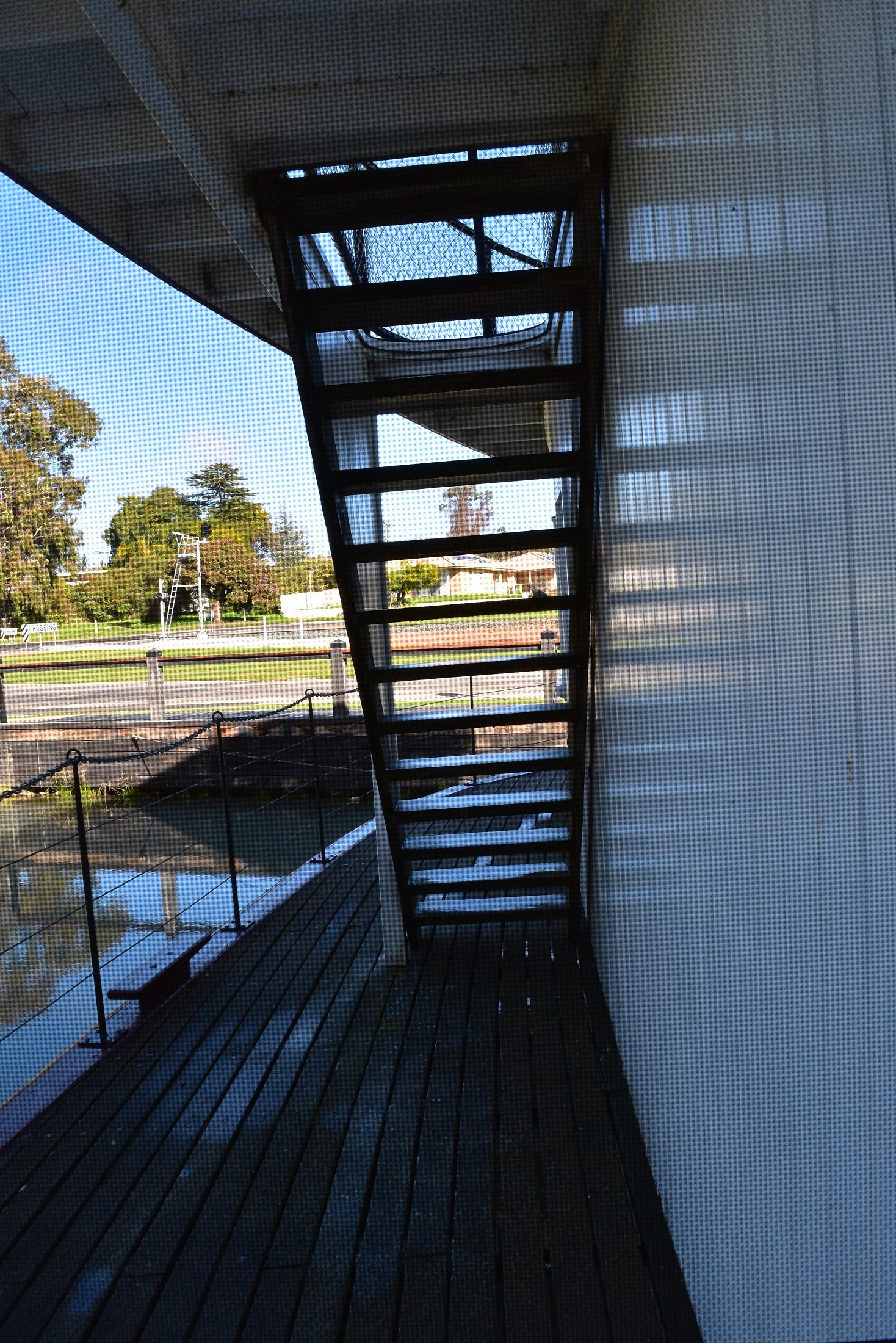
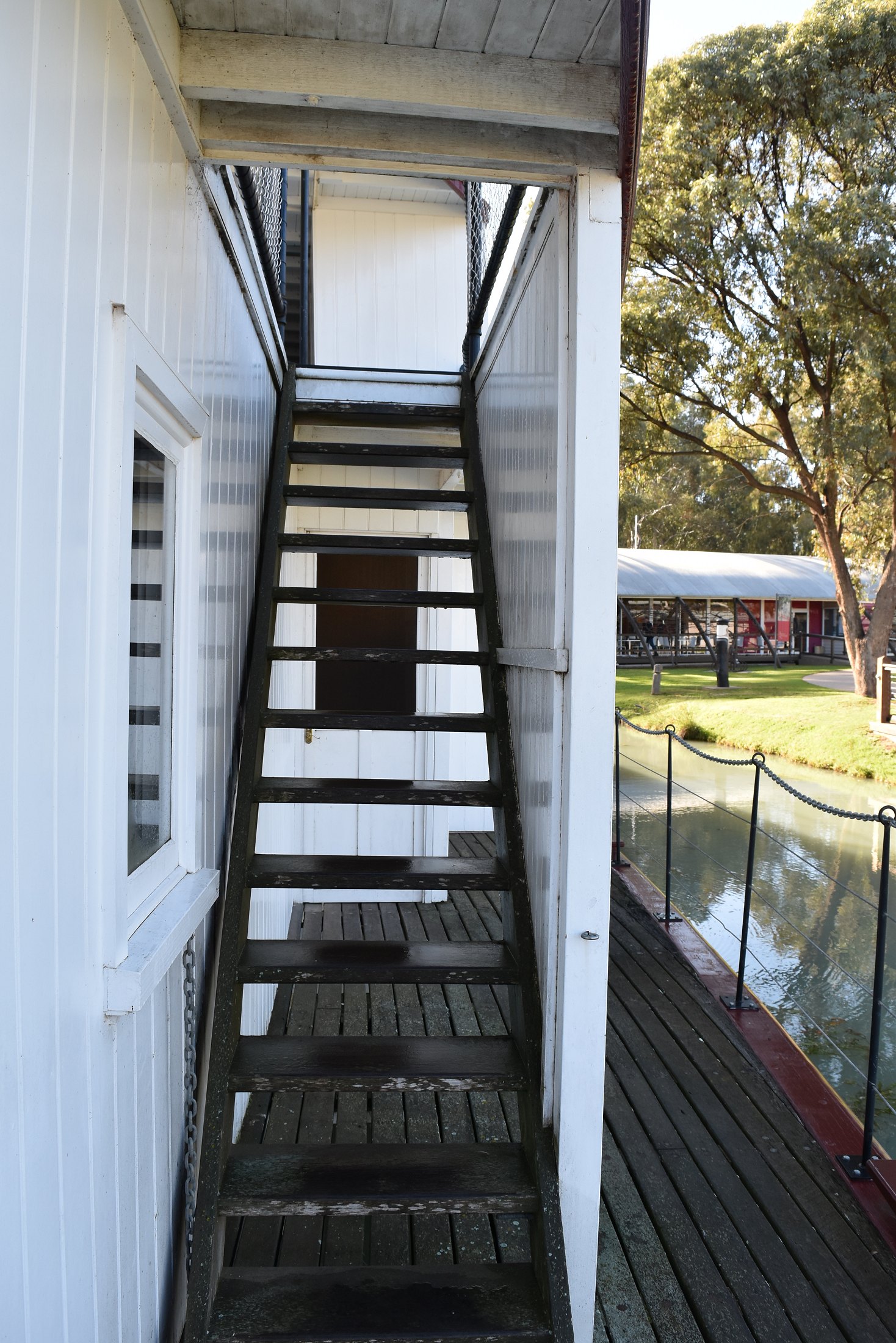
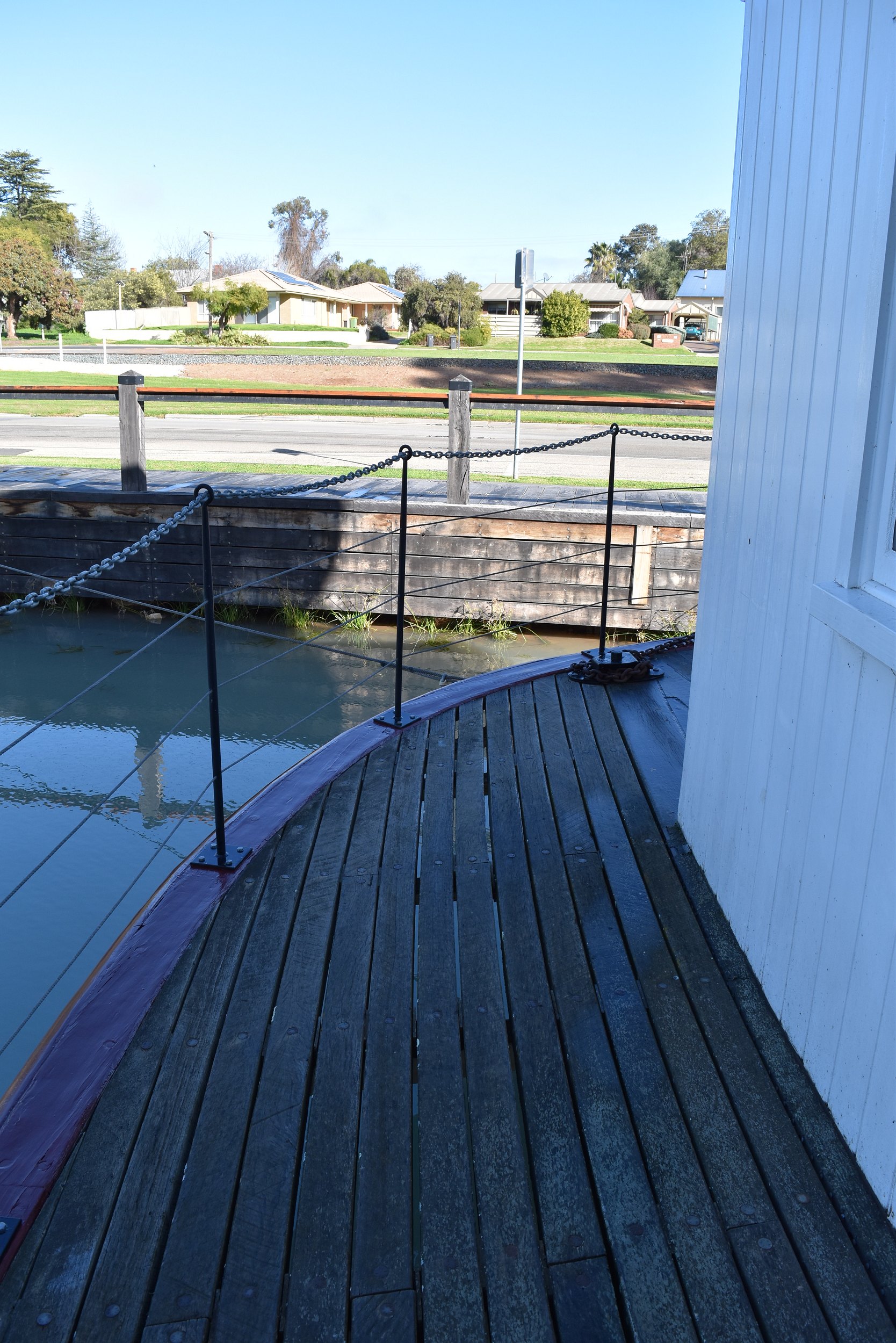
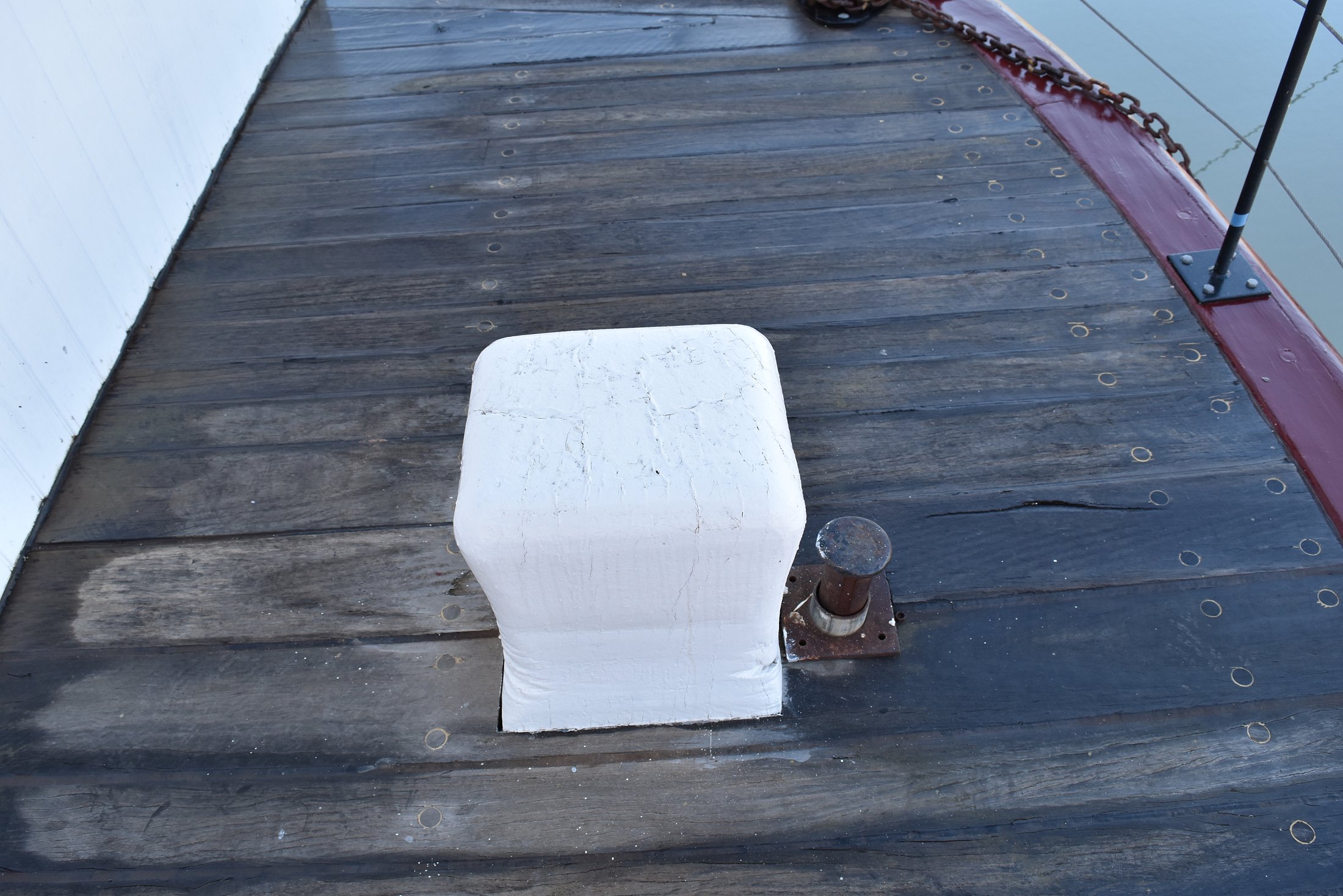
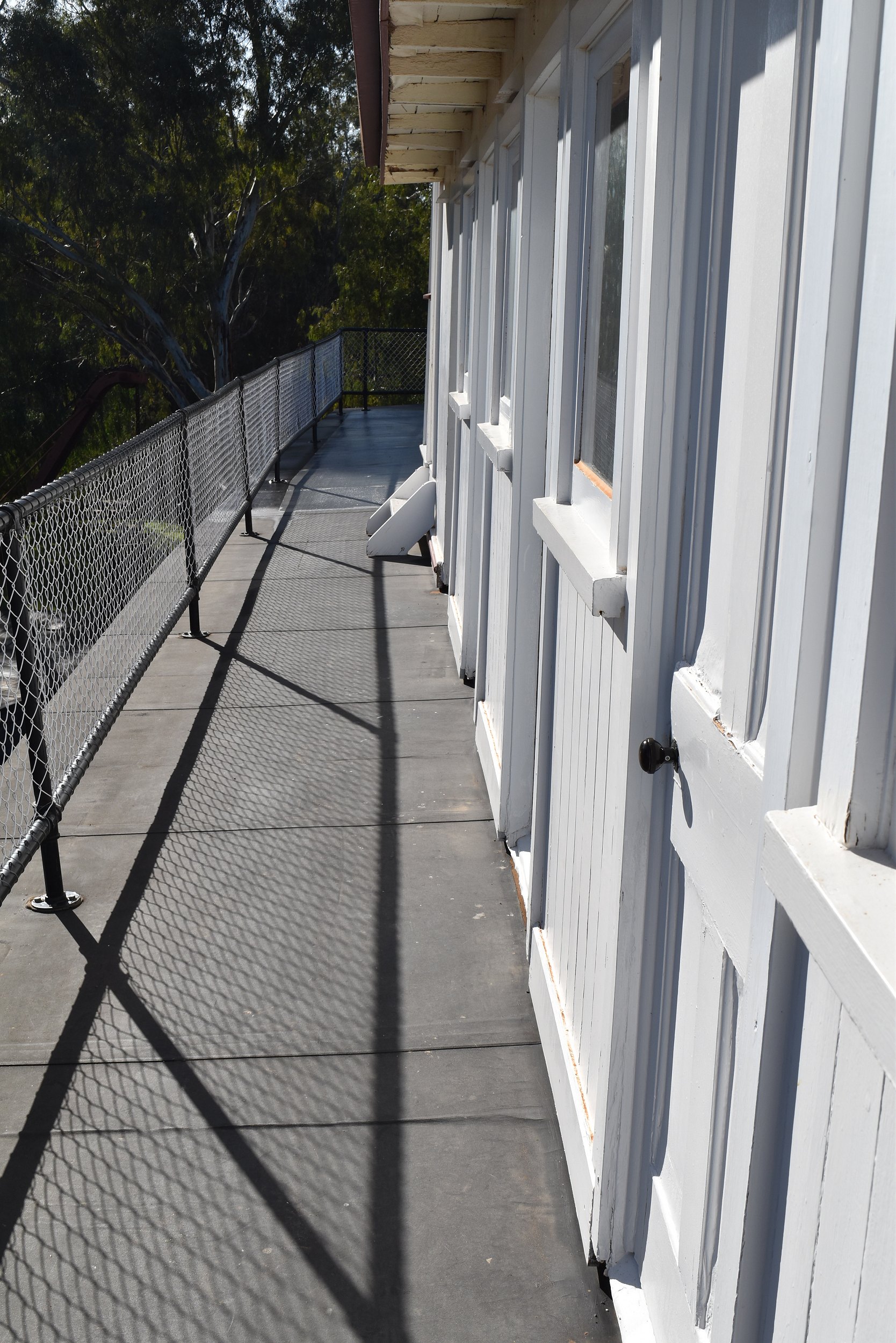
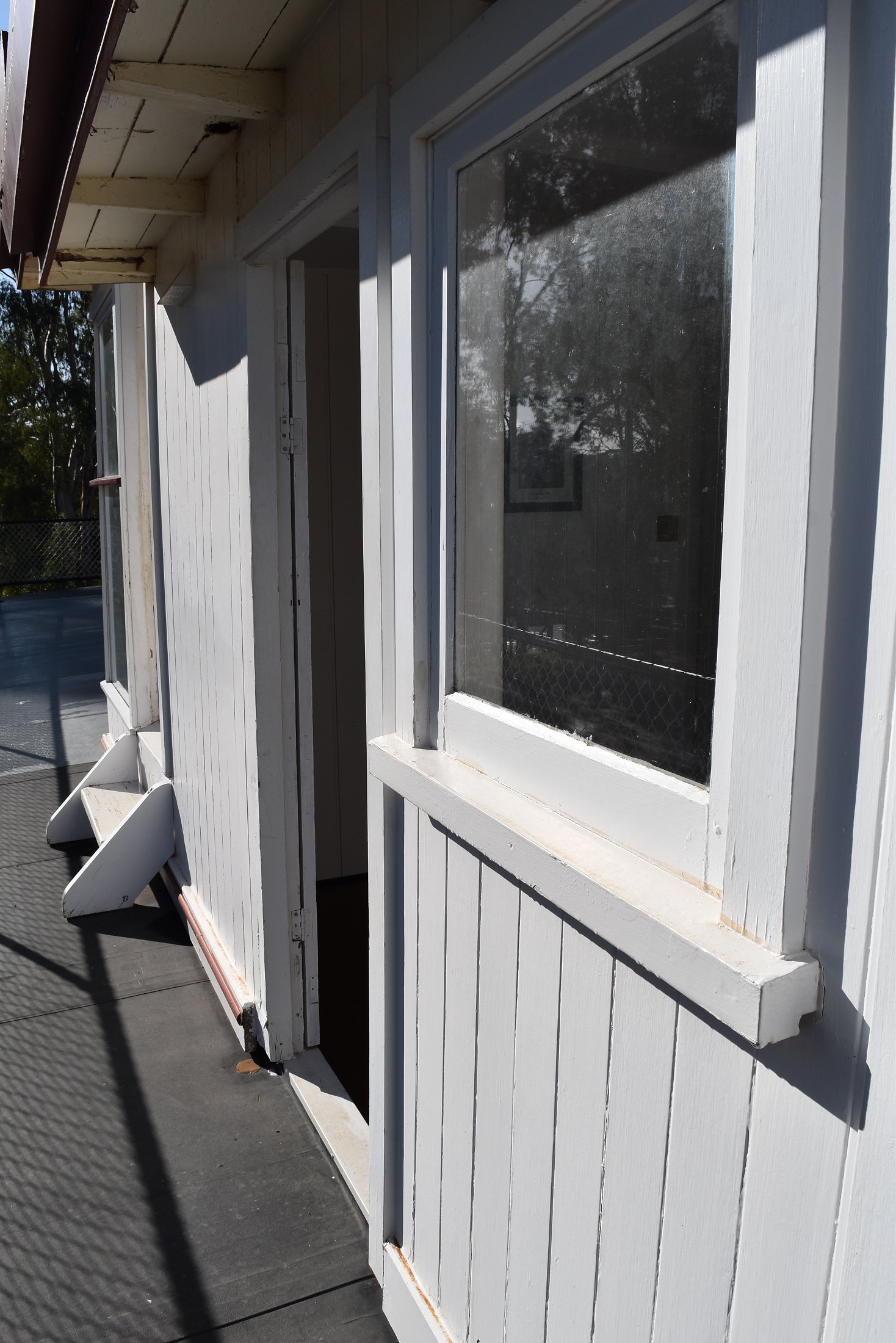
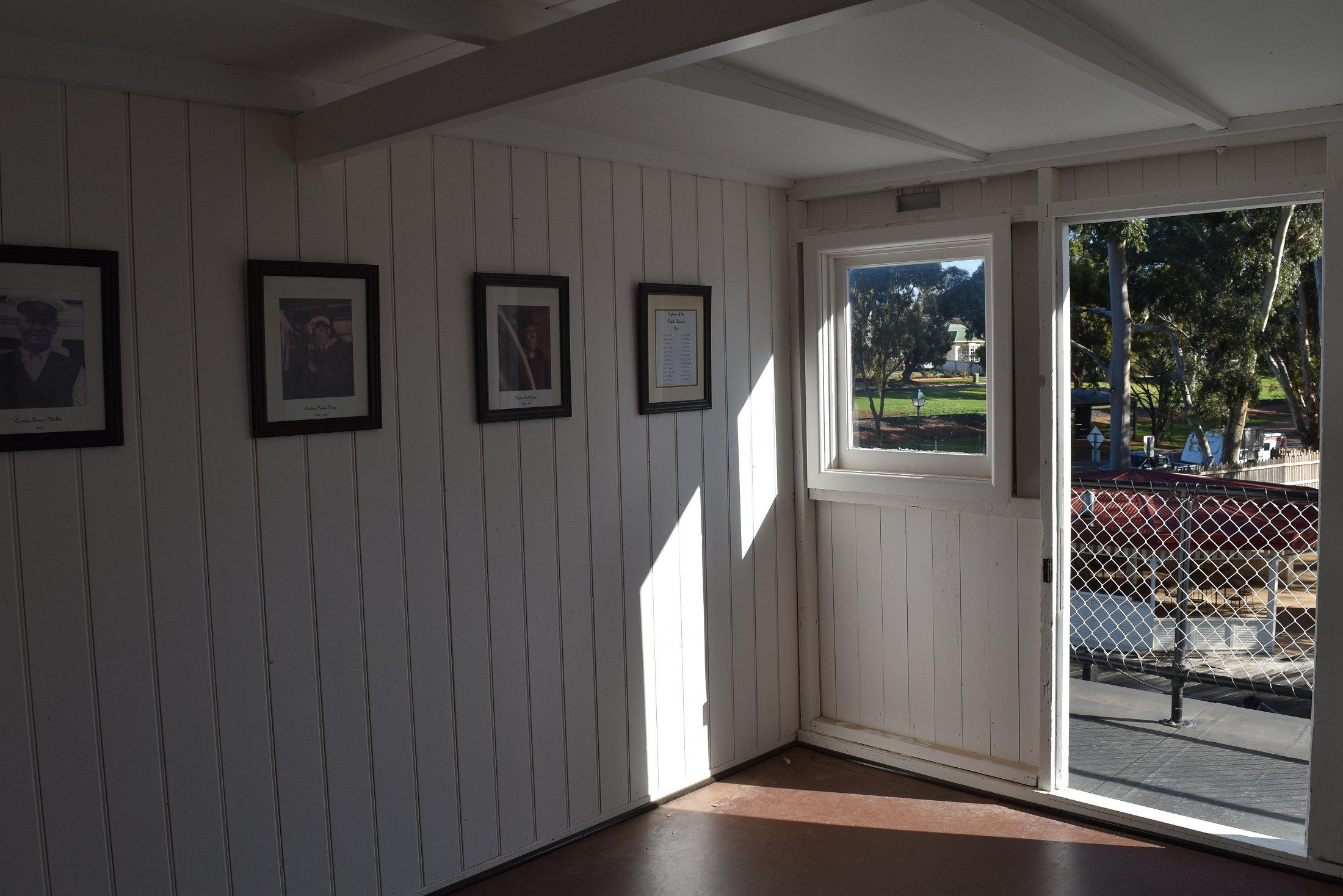
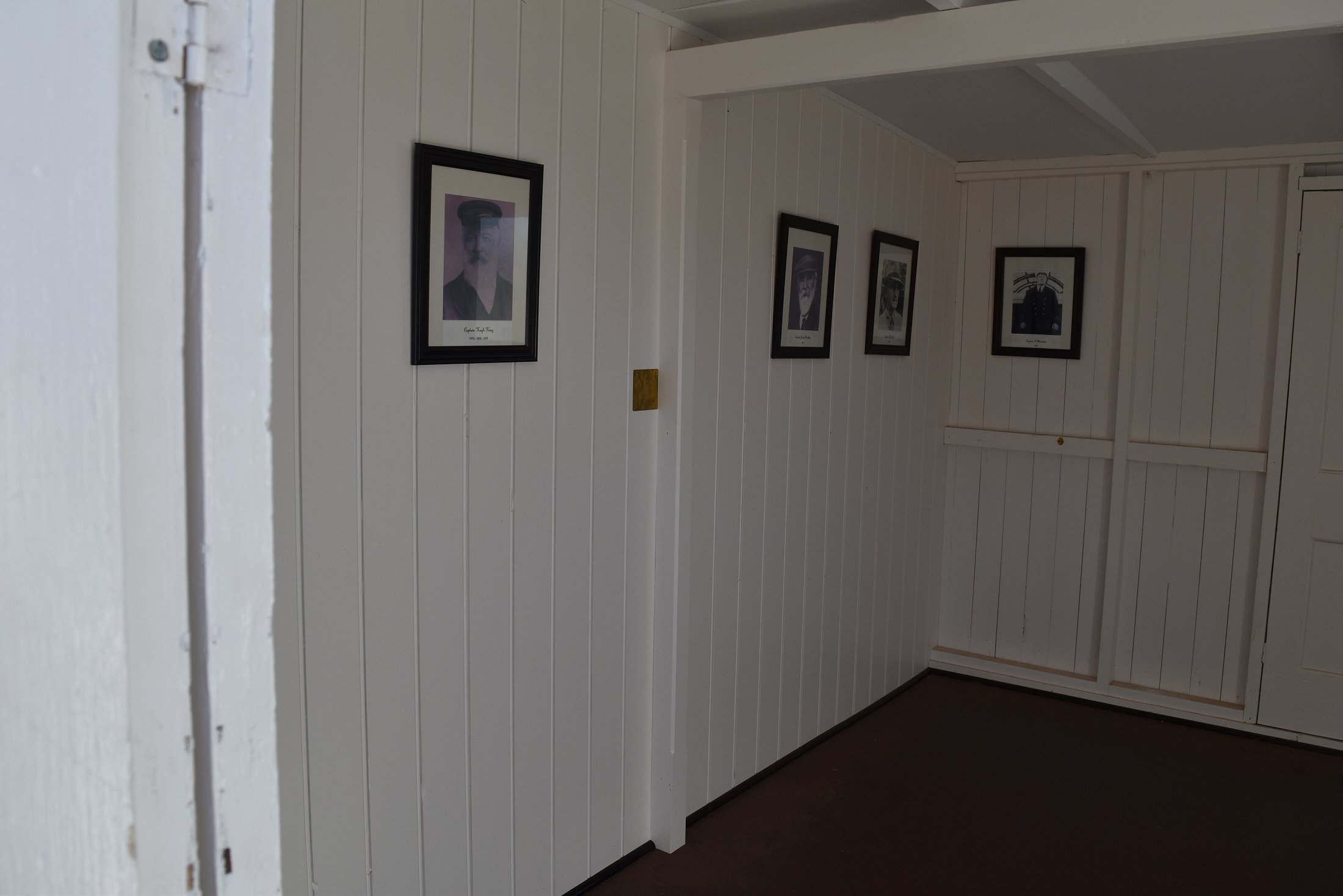
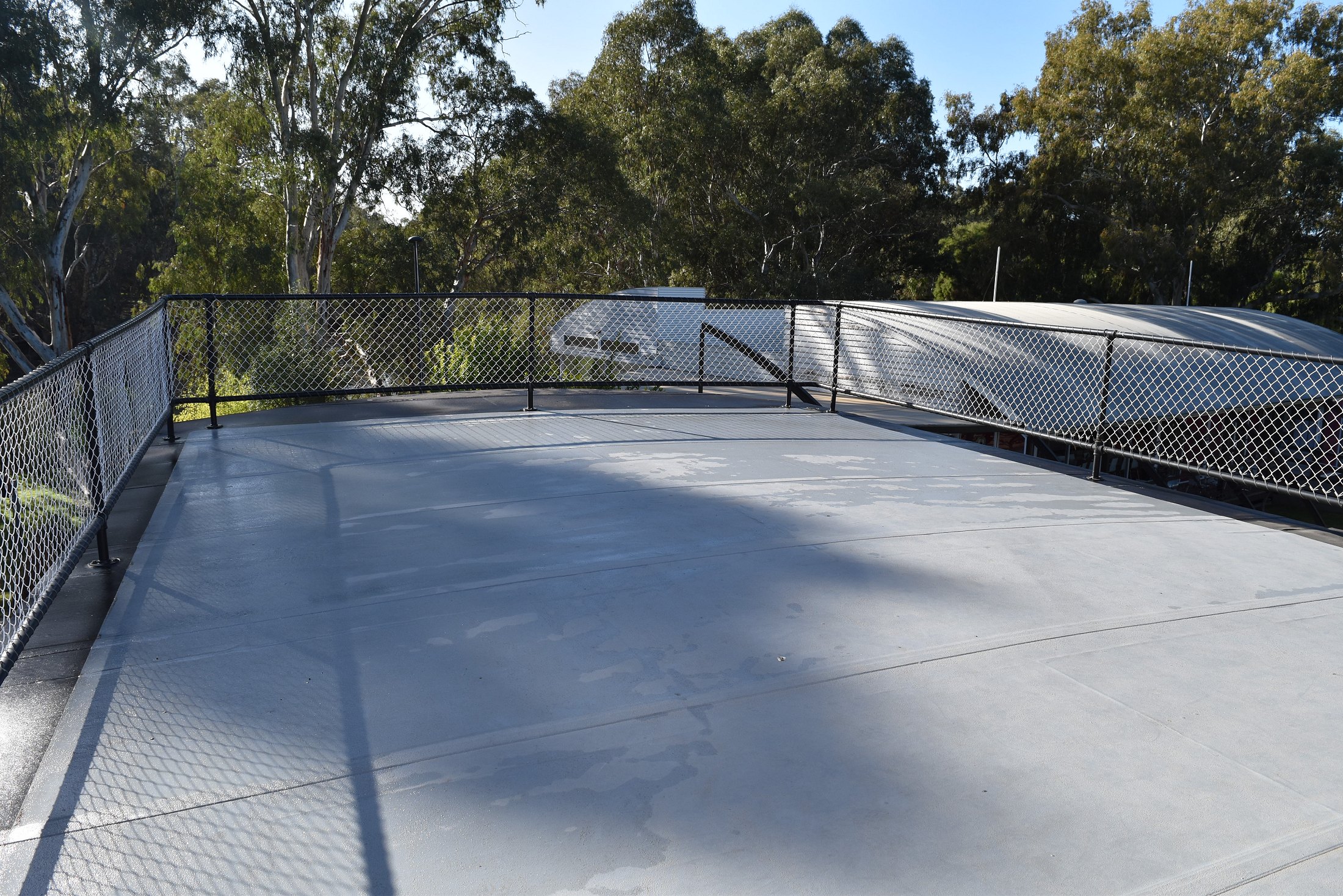
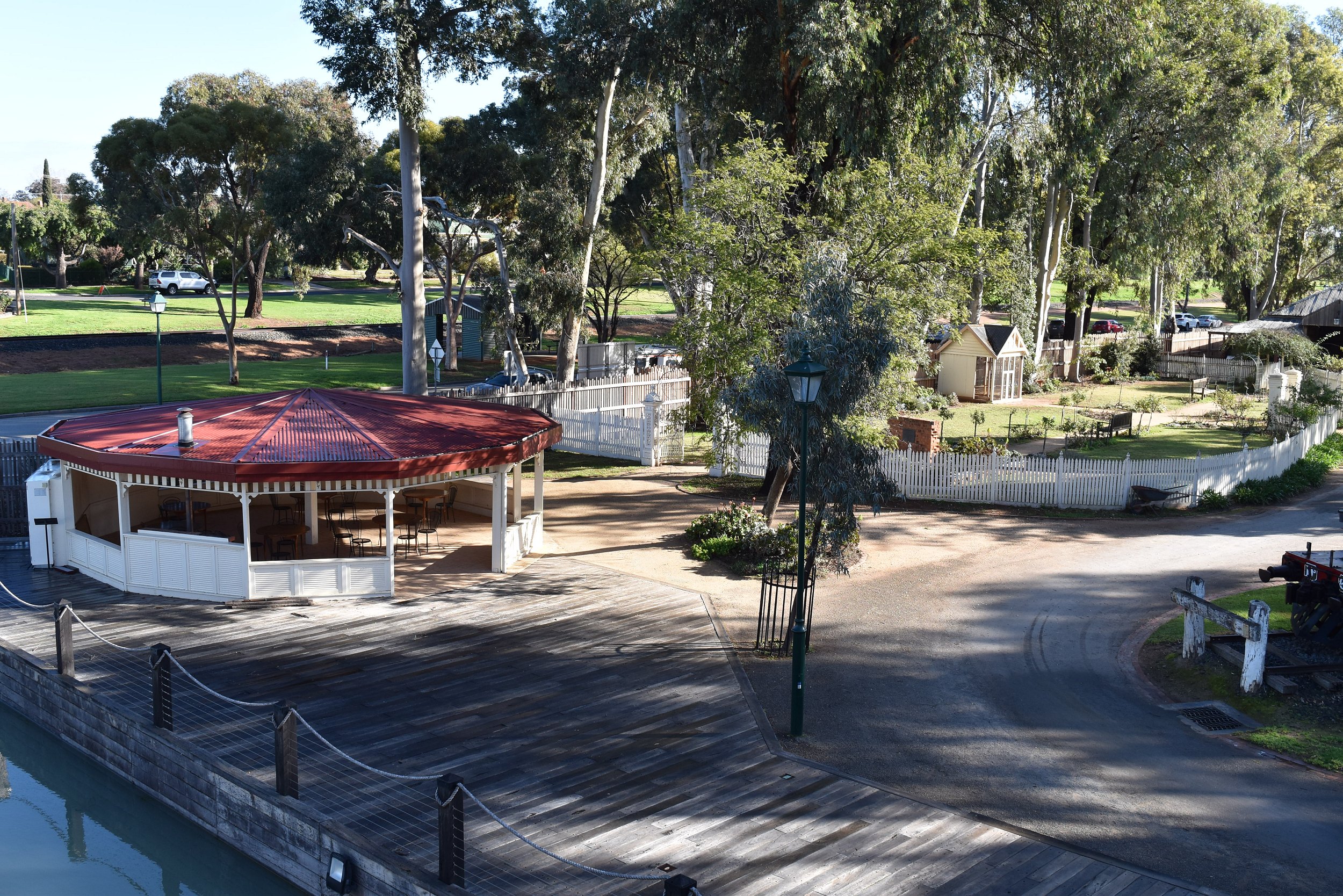
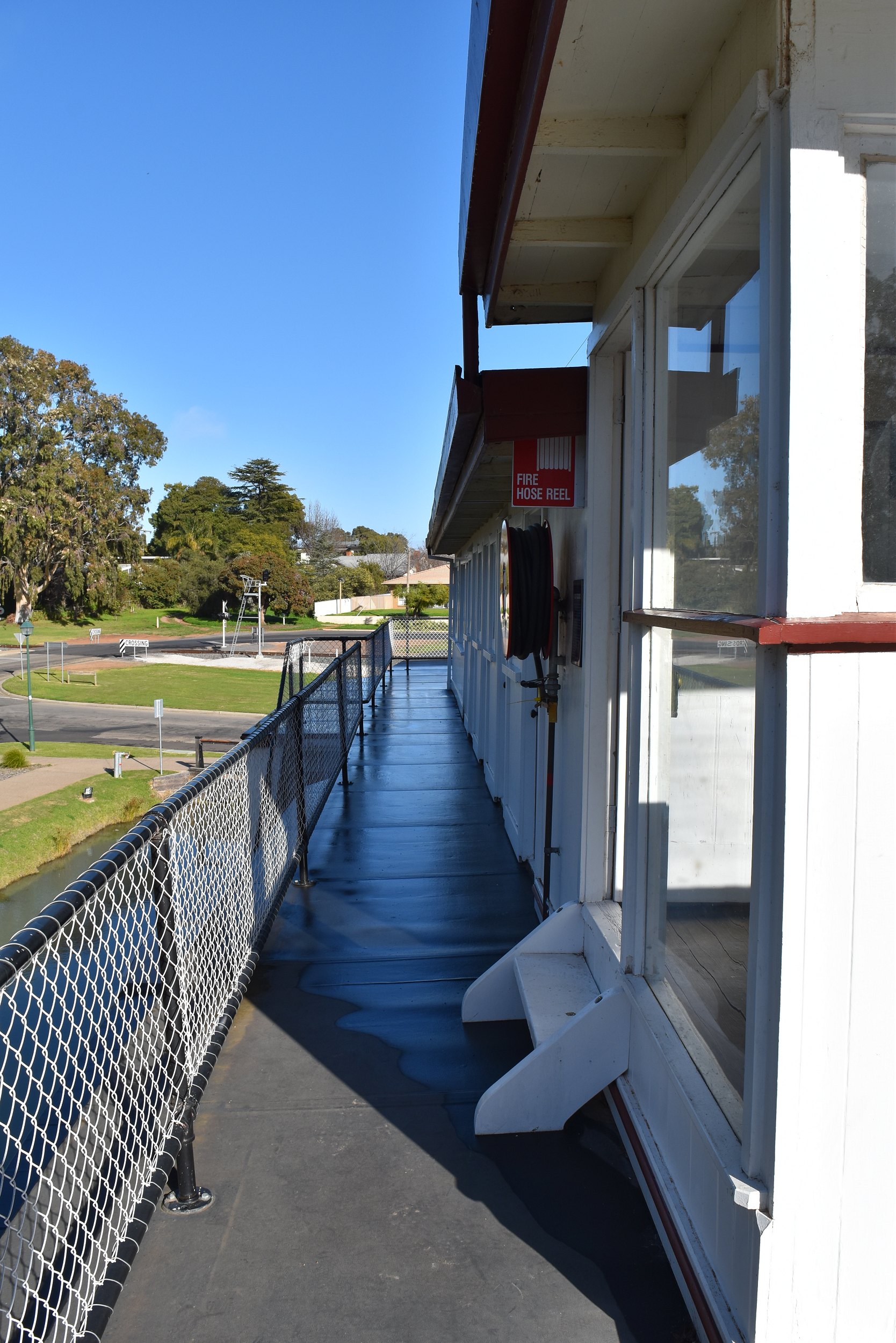
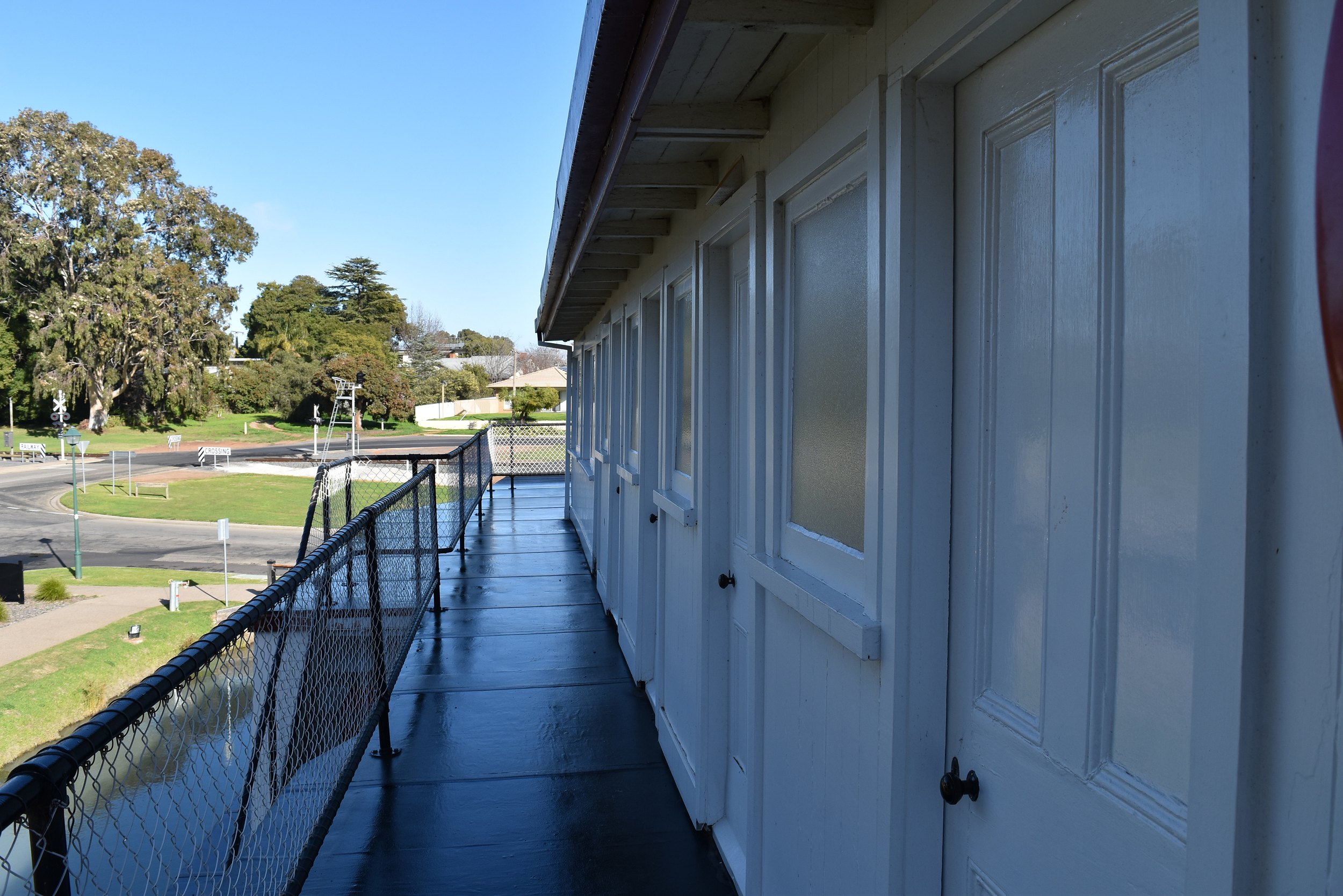
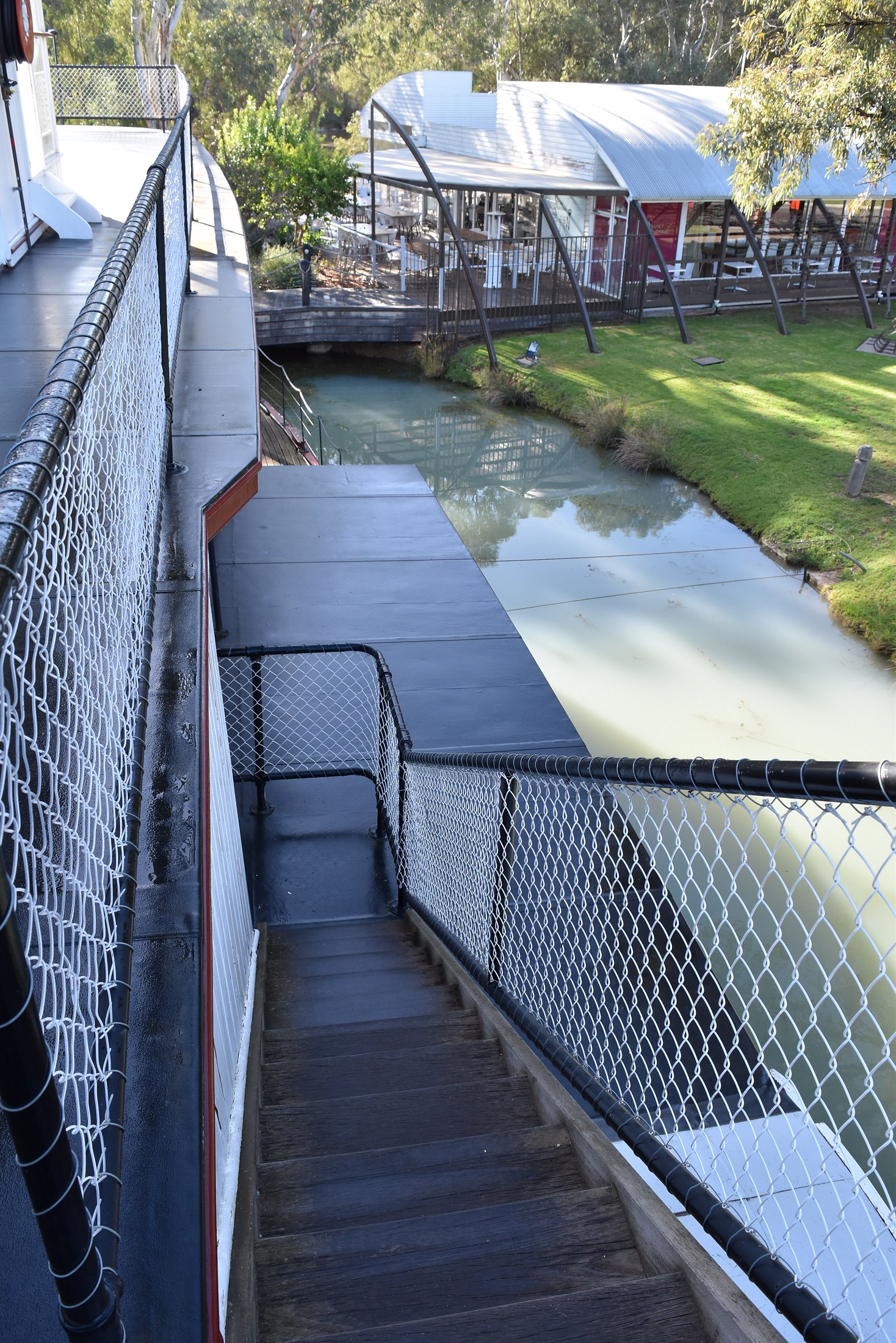
Paddle Steamer, Echuca, Victoria (upper deck)

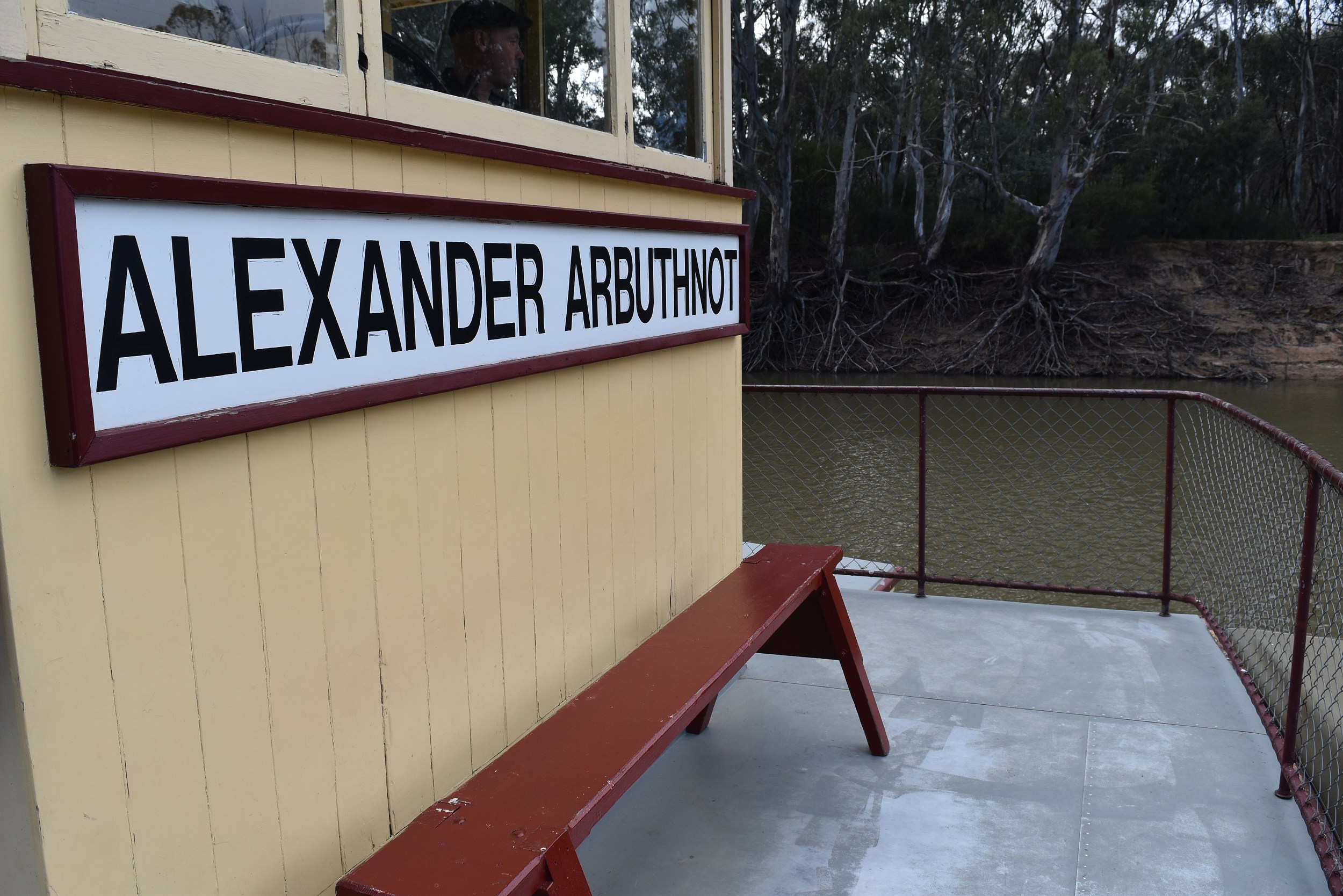
Alexander Arbuthnot 2
I didn’t get a photo of the whole ship so I’ll have to use one from Wikipedia Commons

Paddle Steamer Alexander Arbuthnot, Echuca Paddlesteamers. Photos from July 2019

The Alexander Arbuthnot is the last paddle steamer built as a working boat on the Murray River, Australia. The ship was built by the Arbuthnot Sawmill at Koondrook, in 1916, as a barge, and named after the sawmill’s founder. She was fitted with an engine and superstructure in 1923. The engine was built by Ruston & Hornsby of England and was once used in an earlier boat called The Glimpse.
Wikipedia.

Her normal schedule was to tow two outrigger barges upstream from the mill, with two men to each barge. She would drop them off at a landing where the barges would be loaded with logs and then floated, unaided by the steamer, downstream back to the mill. Meanwhile, PS Alexander Arbuthnot would return to the mill, collect another barge and ply downstream to Campbell’s Island where she would await the loading of the barge and tow it back. Each barge was capable of transporting about 300 tons for red gum logs.
Echuca Paddlesteamers

Read more

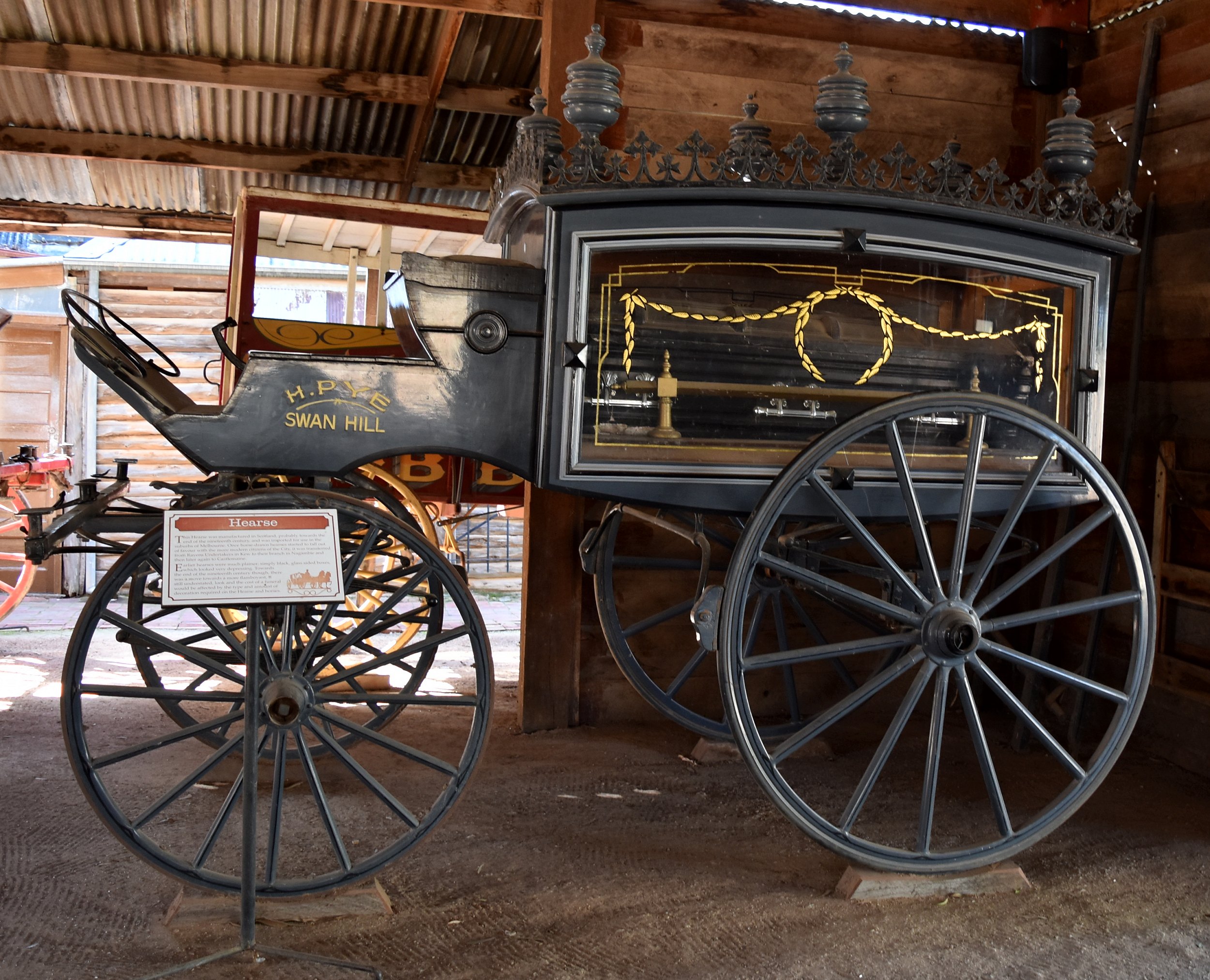
Horse-drawn Hearse

Larger photo

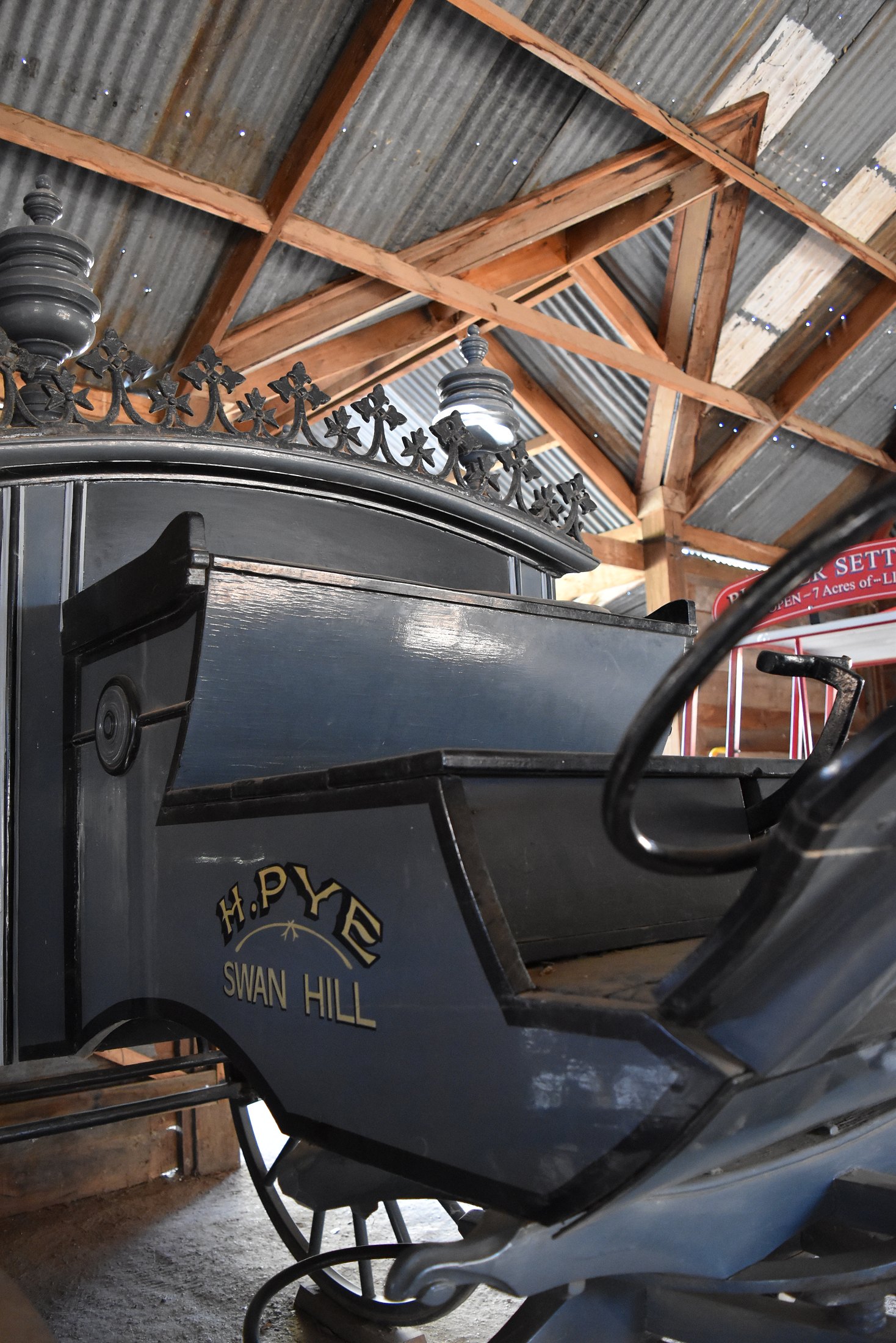
Part of the horse-drawn vehicle collection at Swan Hill’s Pioneer Settlement.

This Hearse was manufactured in Scotland, probably towards the end of the nineteenth century, and was imported for use in the suburbs of Melbourne. Once horse-drawn hearses started to fall out of favour with the more modern citizens of the City, it was transferred from Ravens Undertakers in Kew to their branch in Nagambie and then later again to Castlemaine.

Earlier hearses were much plainer, simply black, glass sided boxes, which looked very depressing. Towards the end of the nineteenth century though, there was a move towards a more flamboyant, if still understated, look and the cost of a funeral would be affected by the type and amount of decoration required on the Hearse and horses.

Read more

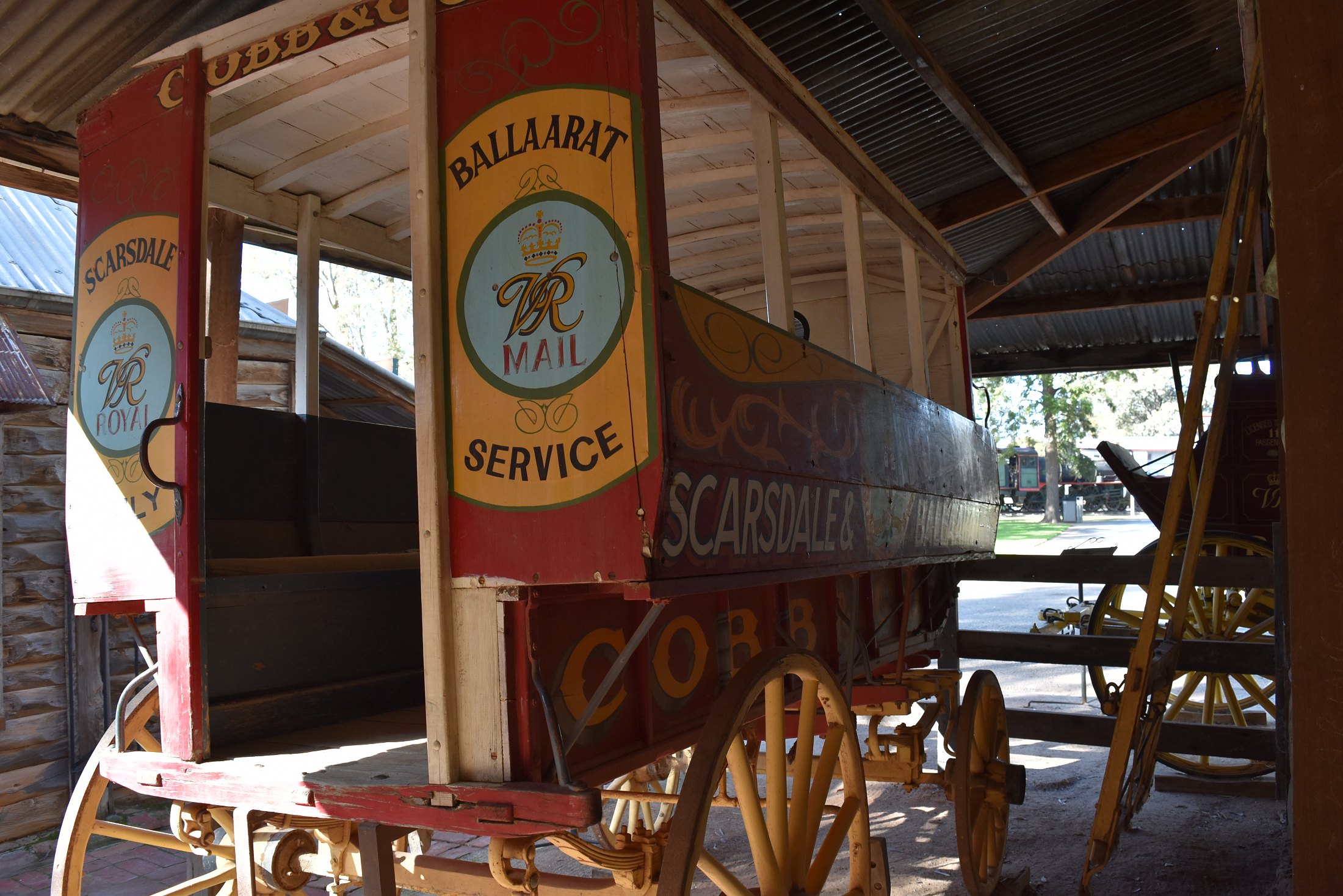
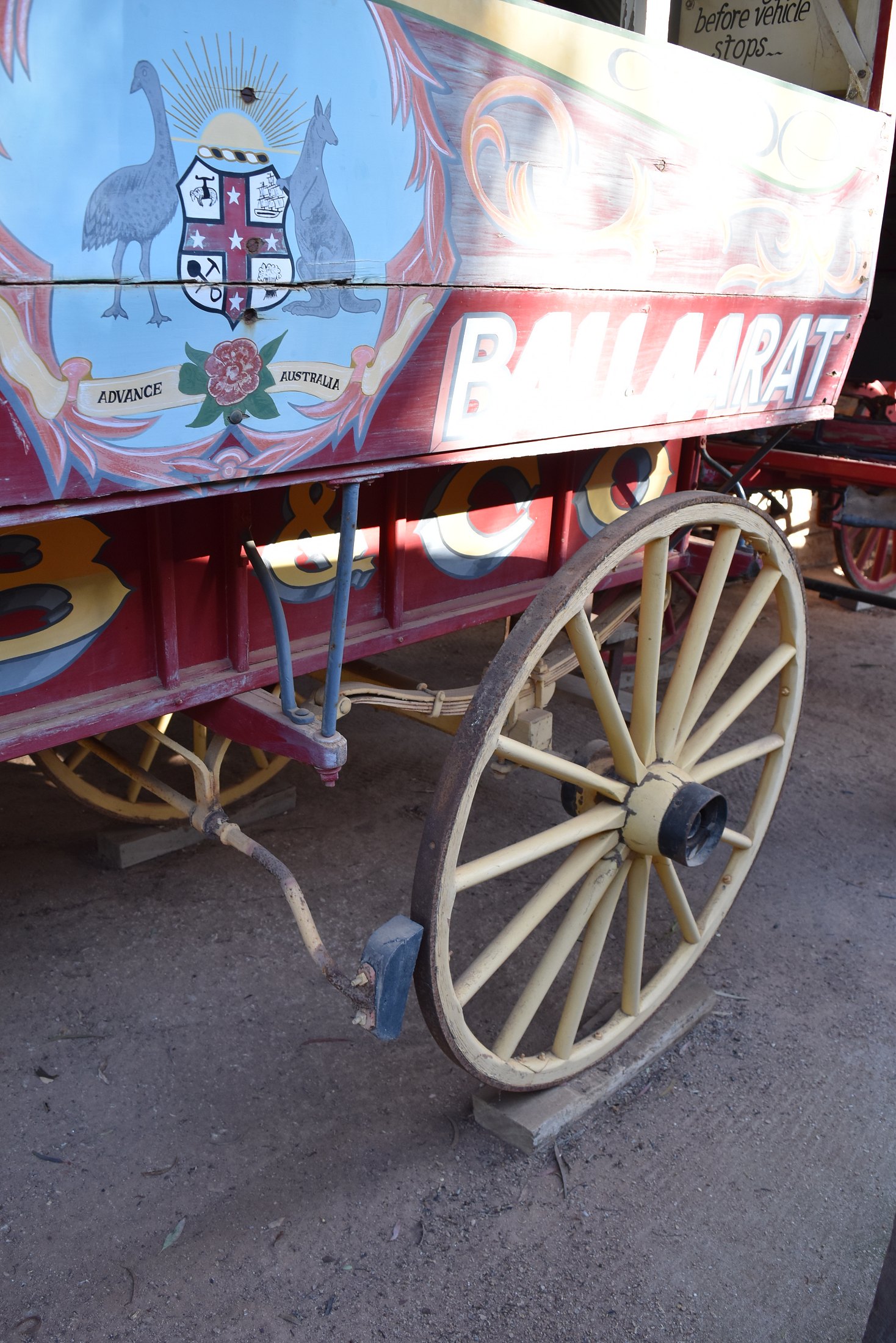
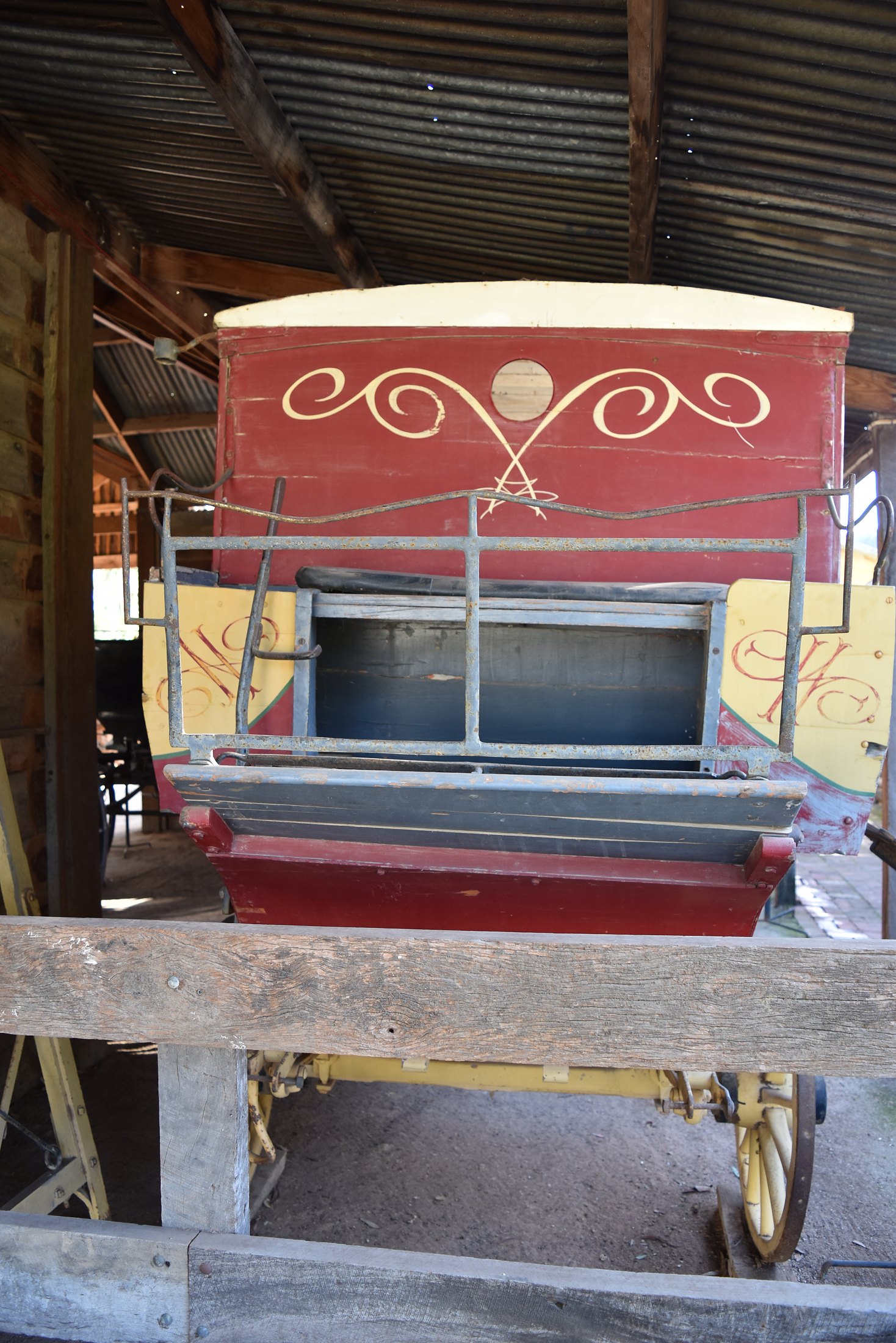
Coach, Melbourne Museum

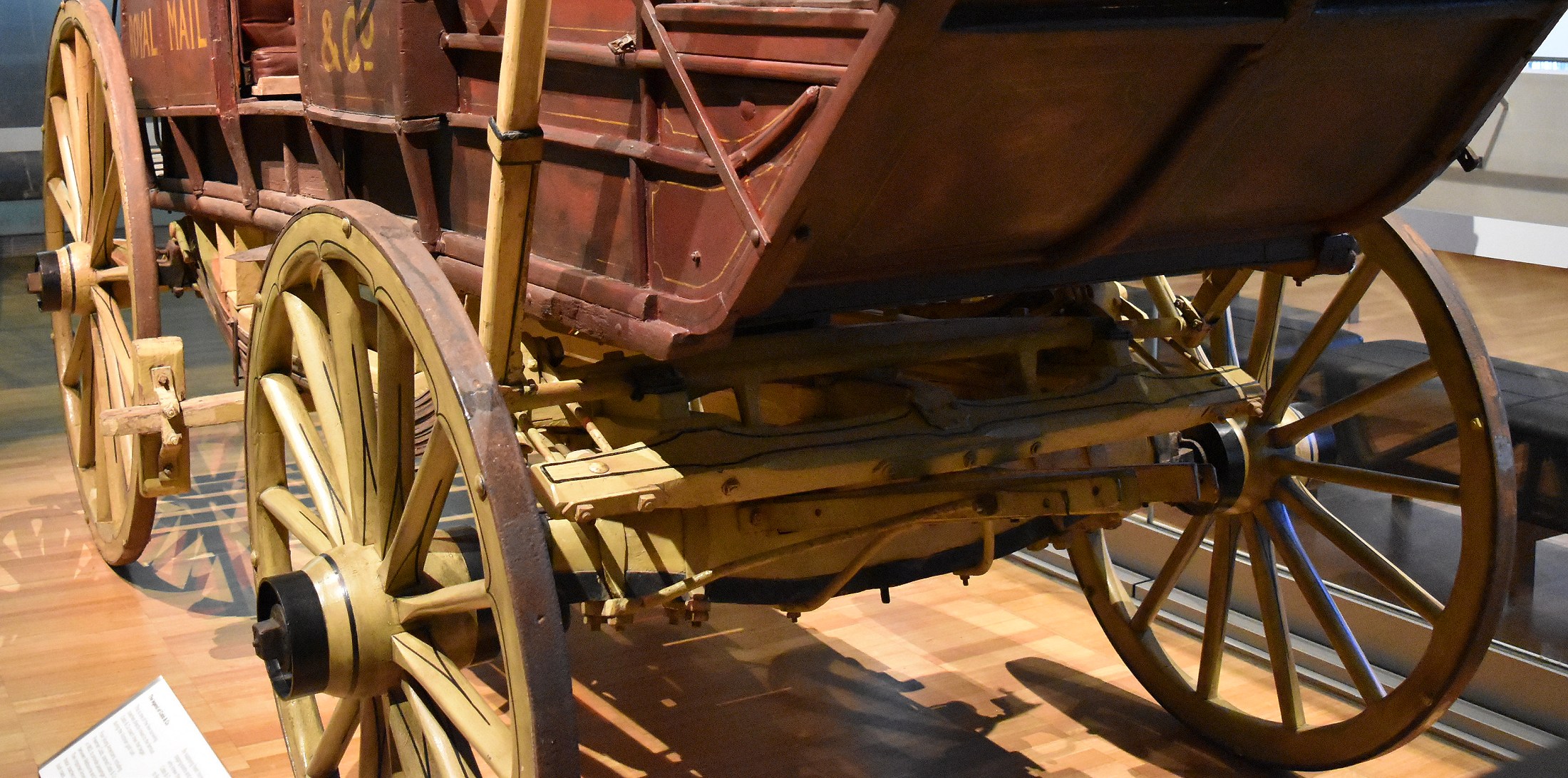
Cobb & Co Coach, at “>Melbourne Museum.

The associated info panel says”
This coach is believed to have been built in Geelong in about 1880 for the Western Stage Company, which ran coaches throughout western Victoria under the ‘Cobb & Co’ banner. Pulled by four or five horses, the coach carried up to 17 passengers. Mail and luggage were stowed in the compartment below the driver’s seat, and on the rear luggage rack or roof.

Read more

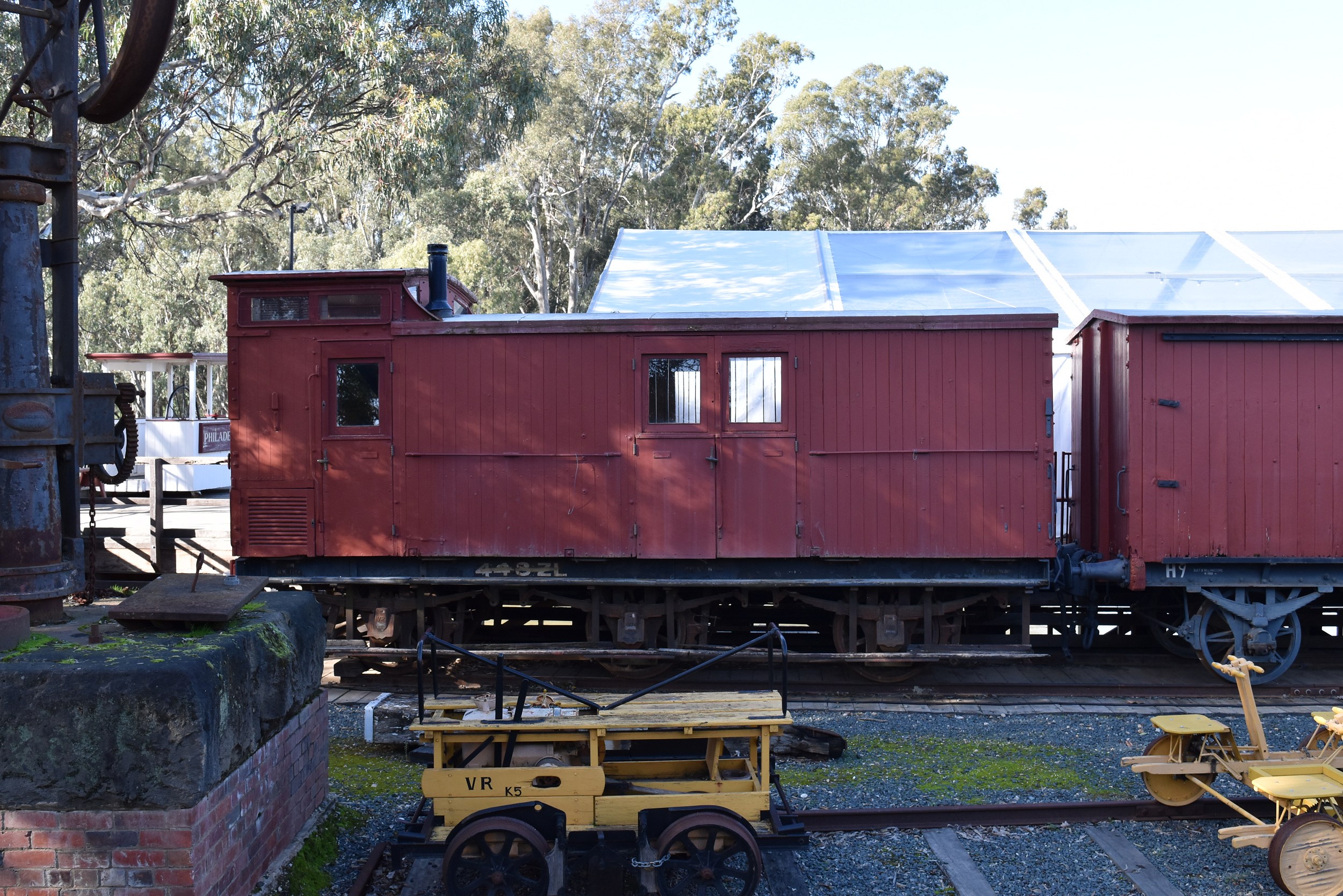
Guard’s Van, Echuca, Victoria

Larger version

Port of Echuca Discovery Centre

From information panels:

Guard’s Van
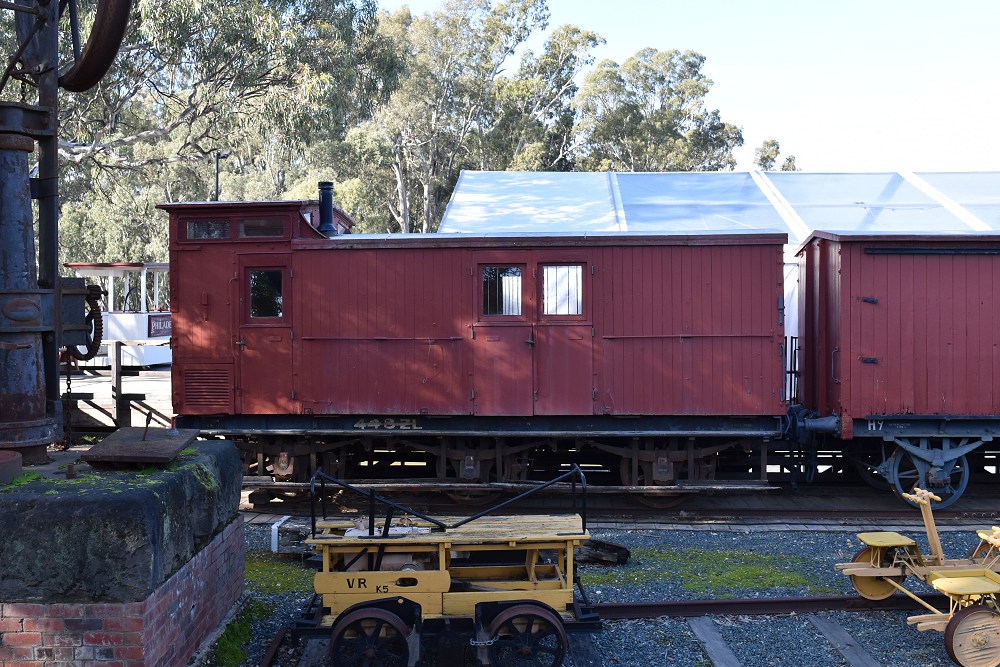
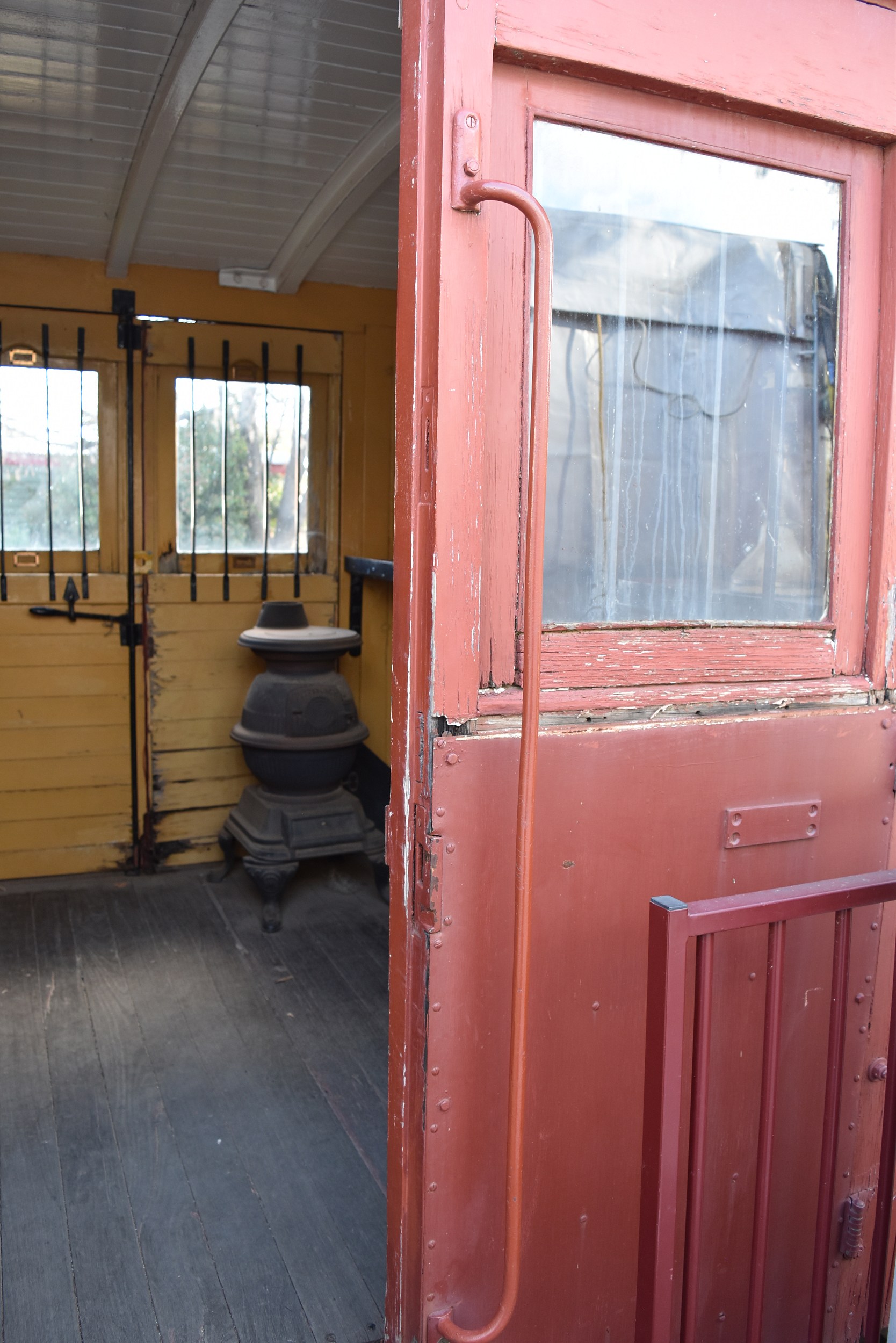
In Australia, guard’s vans were often also used for carrying parcels and light freight and usually had large compartments and loading doors for such items. Some of the larger vans also included a compartment for passengers travelling on goods services or drovers travelling with their livestock. The small compartment at the front of this van would have been used to carry passenger’s pets or a drover’s dog.

Guards Van (Brake Van) (ZL 448)

This of is an example of the most numerous type of brake van used by Victorian Railways over a very long period. It was built at Newport Workshops and entered traffic in 1914. In 1961 it was altered to. incorporate long travel draft gear.

Back to Steam train, Echuca, Victoria

Read more

Locomotive, Echuca, Victoria

Larger version

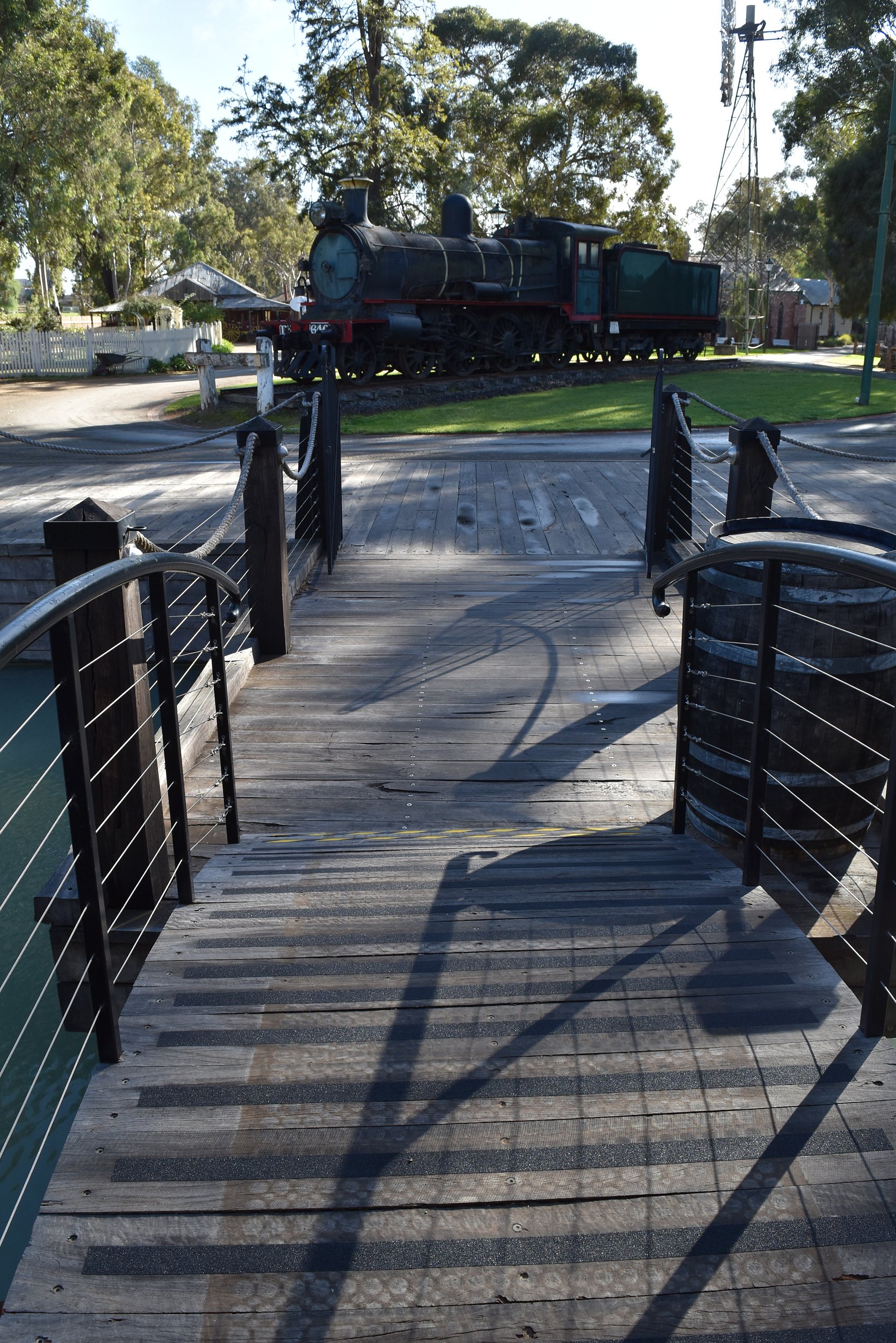
A2 steam locomotive, Port of Echuca Discovery Centre

The A2 class was an express passenger locomotive that ran on Victorian Railways from 1907 to 1963. A highly successful design entirely the work of Victorian Railways’ own design office, its long service life was repeatedly extended as economic depression and war delayed the introduction of more modern and powerful replacement locomotives.
Wikipedia.

Video of restored locomotive.

Back to Steam train, Echuca, Victoria

Read more

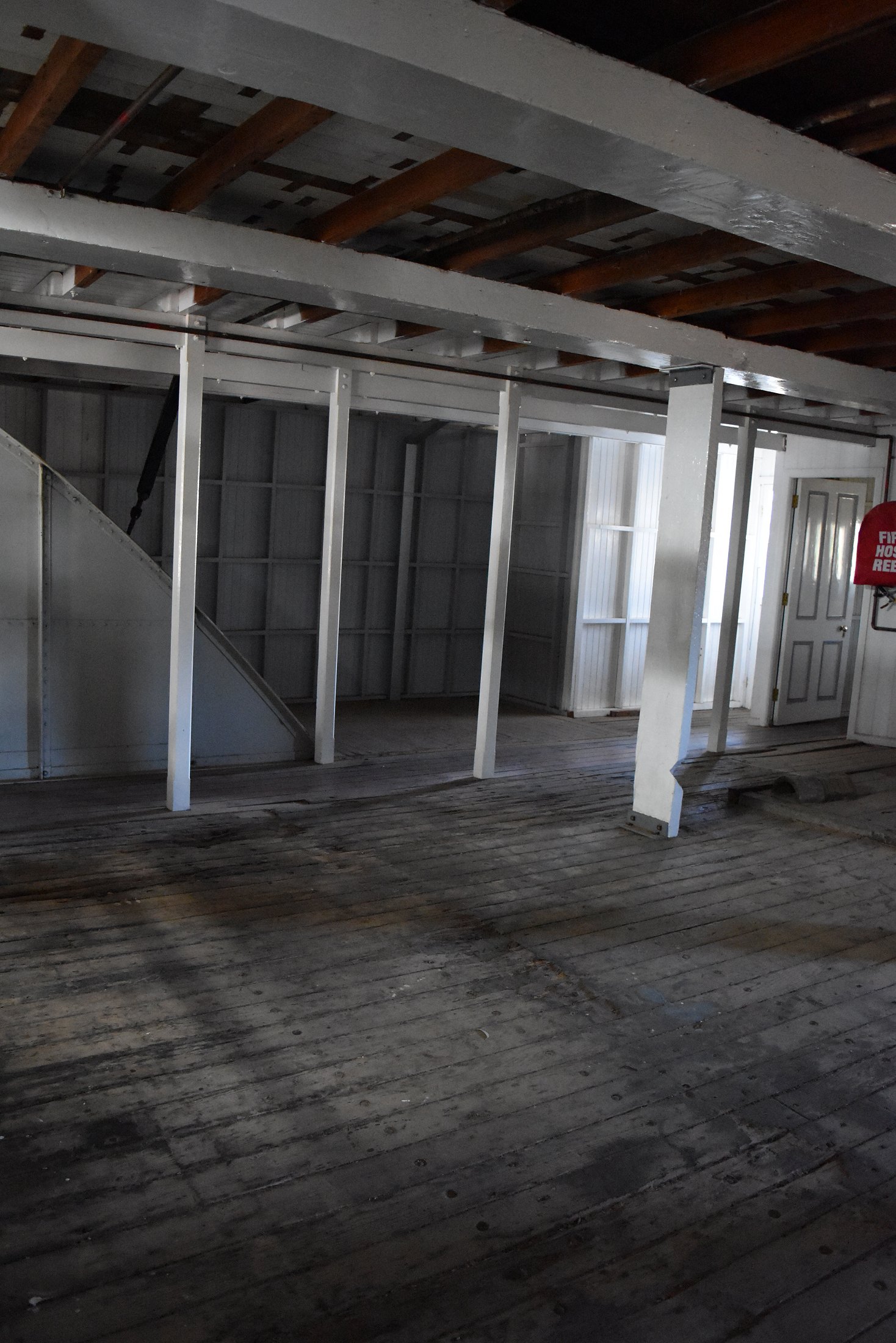
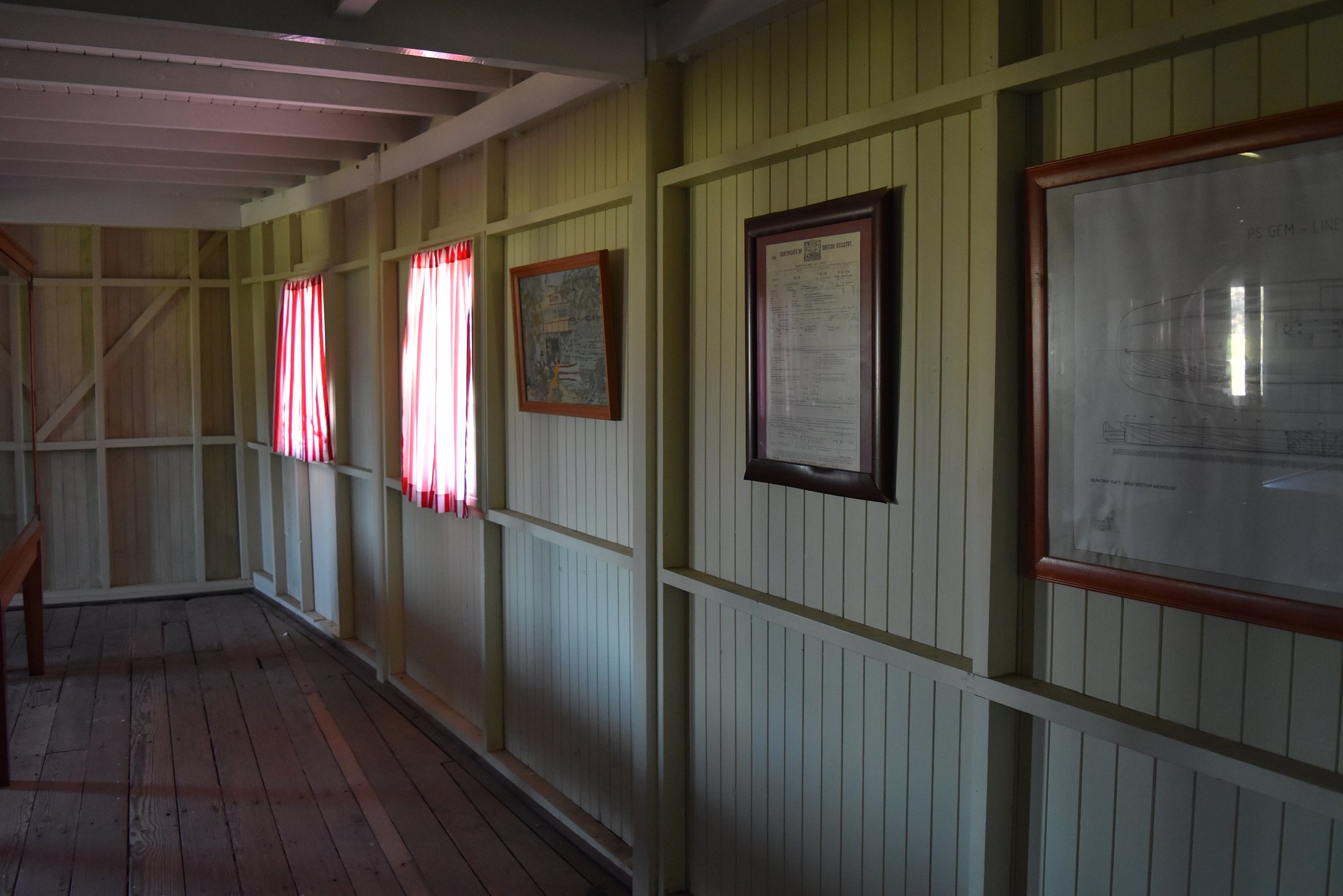
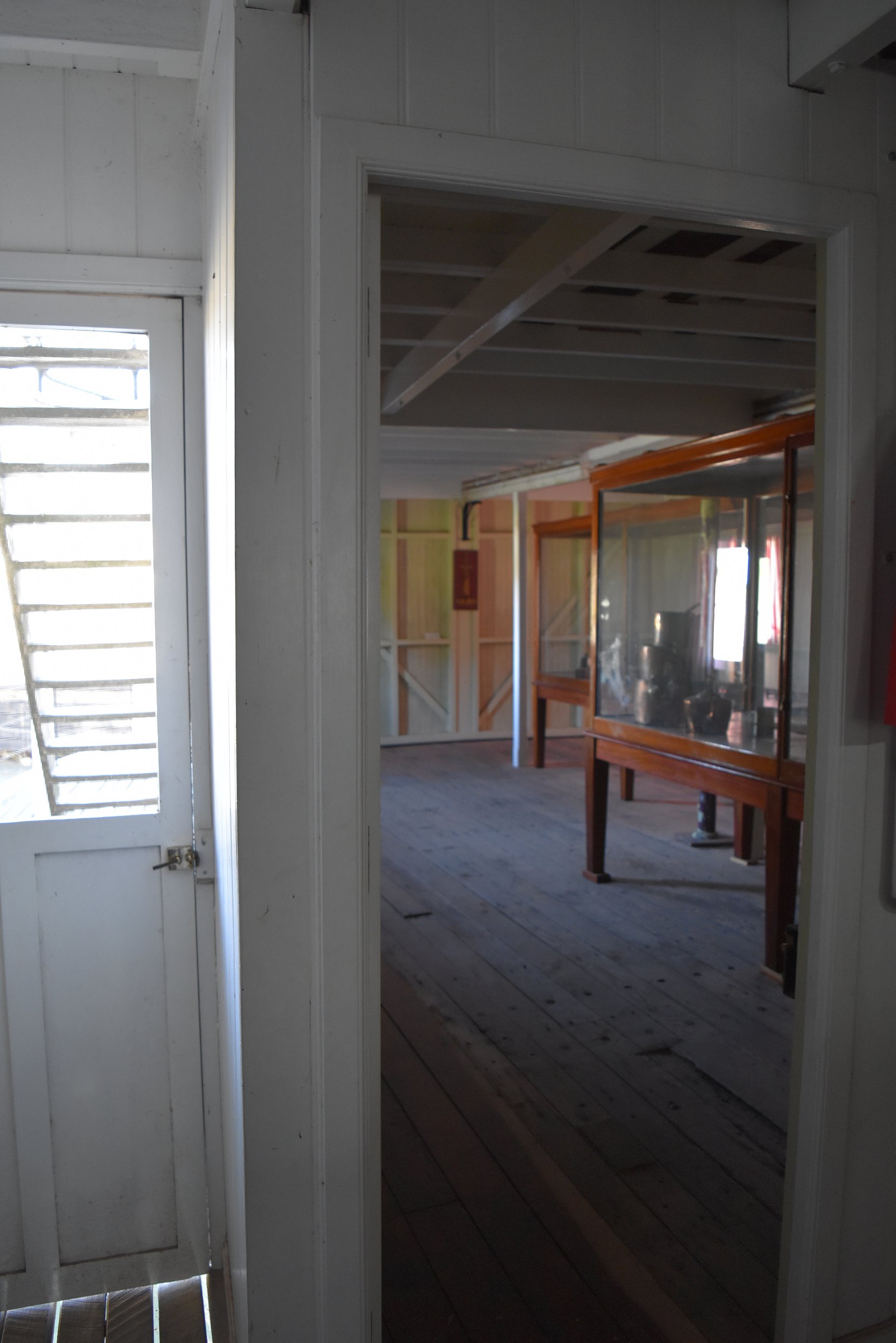
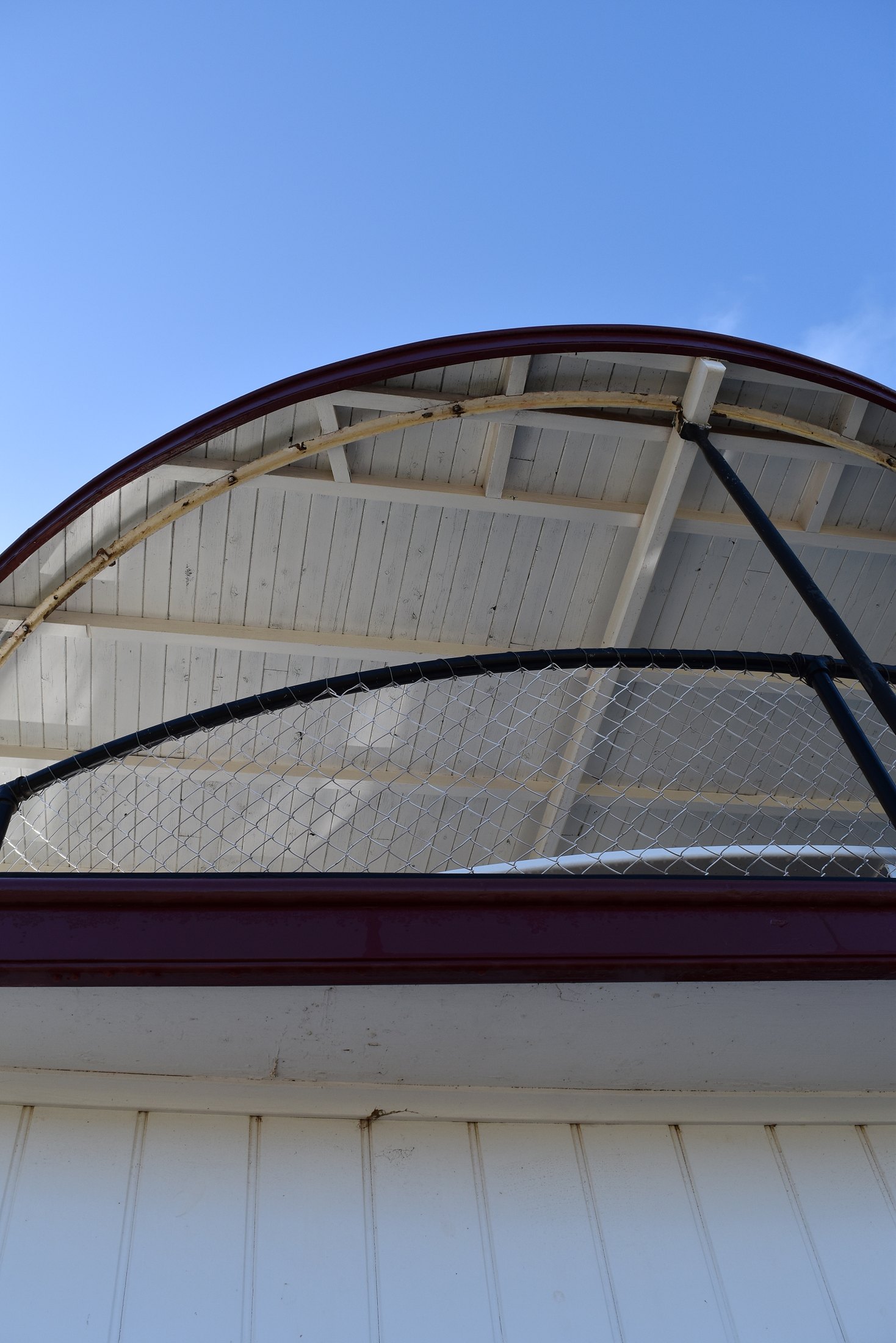
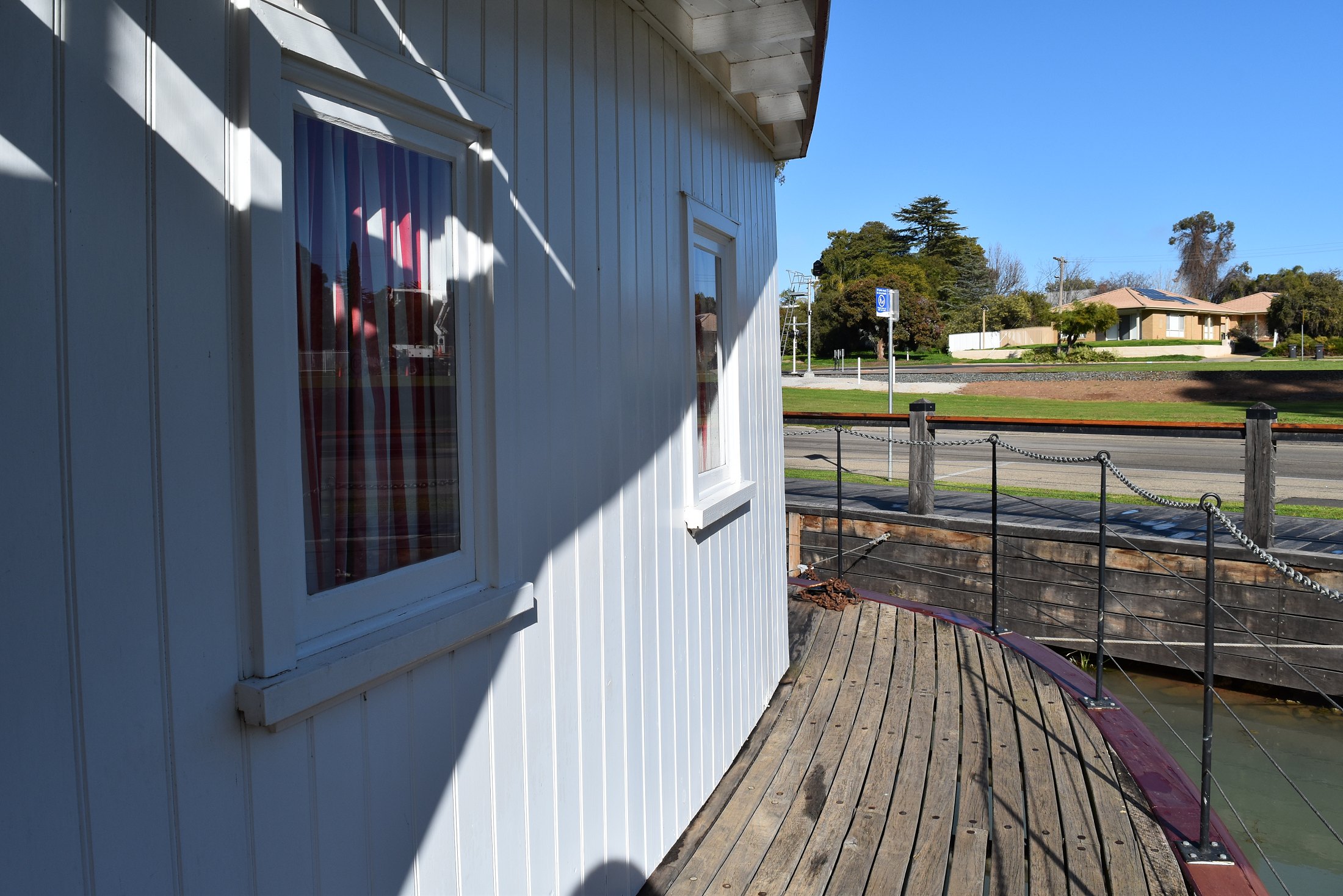
Paddle Steamer Gem, Pioneer Settlement, Swan Hill

From the information panel just before going aboard,  the Gem was built in 1876 as a barge, but a year later “was fitted with’4 40 horsepower steam engine, wood fired boilers and upper works enabling her to be employed carrying freight and passengers on the River Murray as a steamer.

In 1882, she was “cut in half using simple hand tools and the two pieces dragged apart by bullocks. A new 12 metre section was inserted in the space and an extra deck was added to allow more room for both passengers and cargo.”

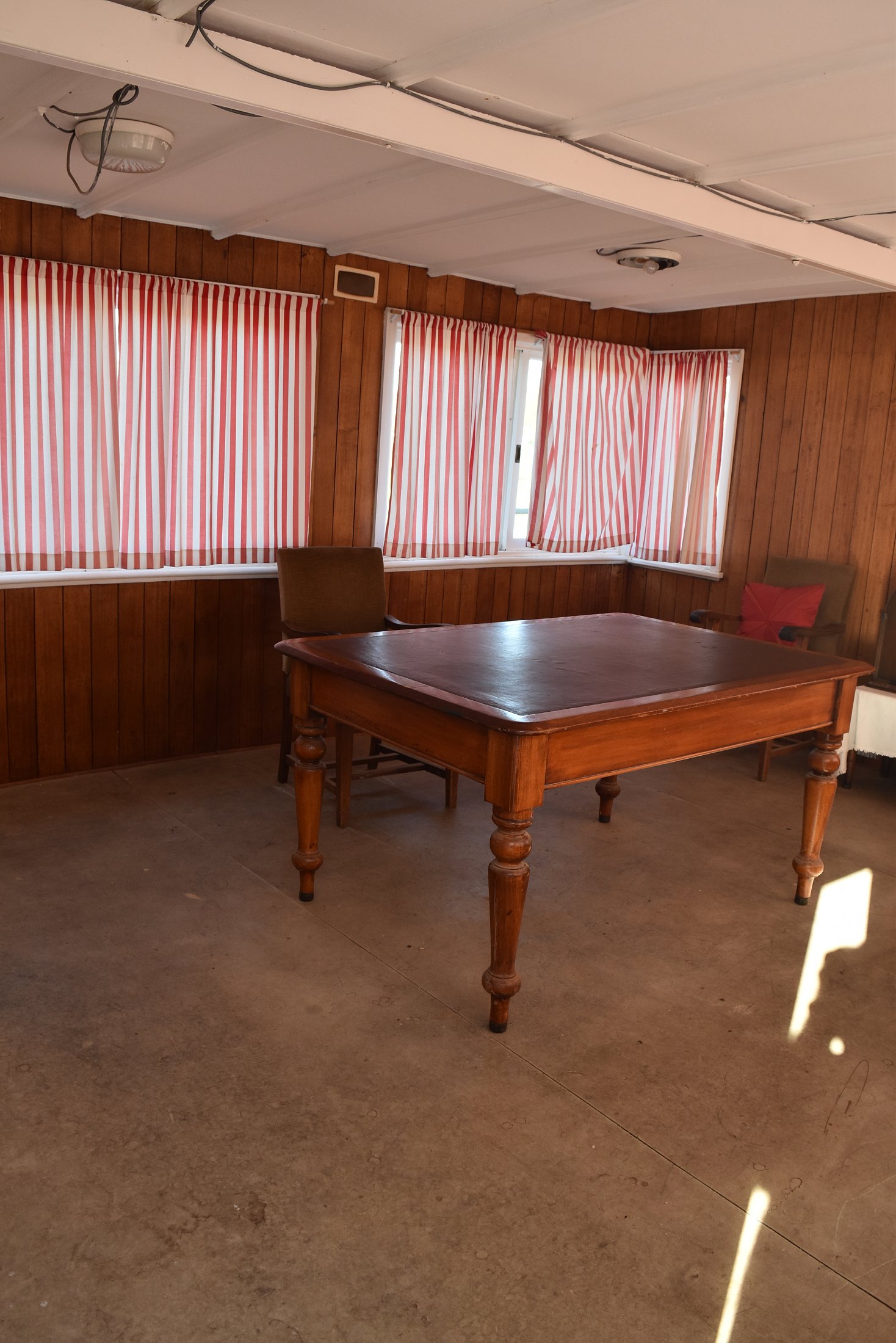
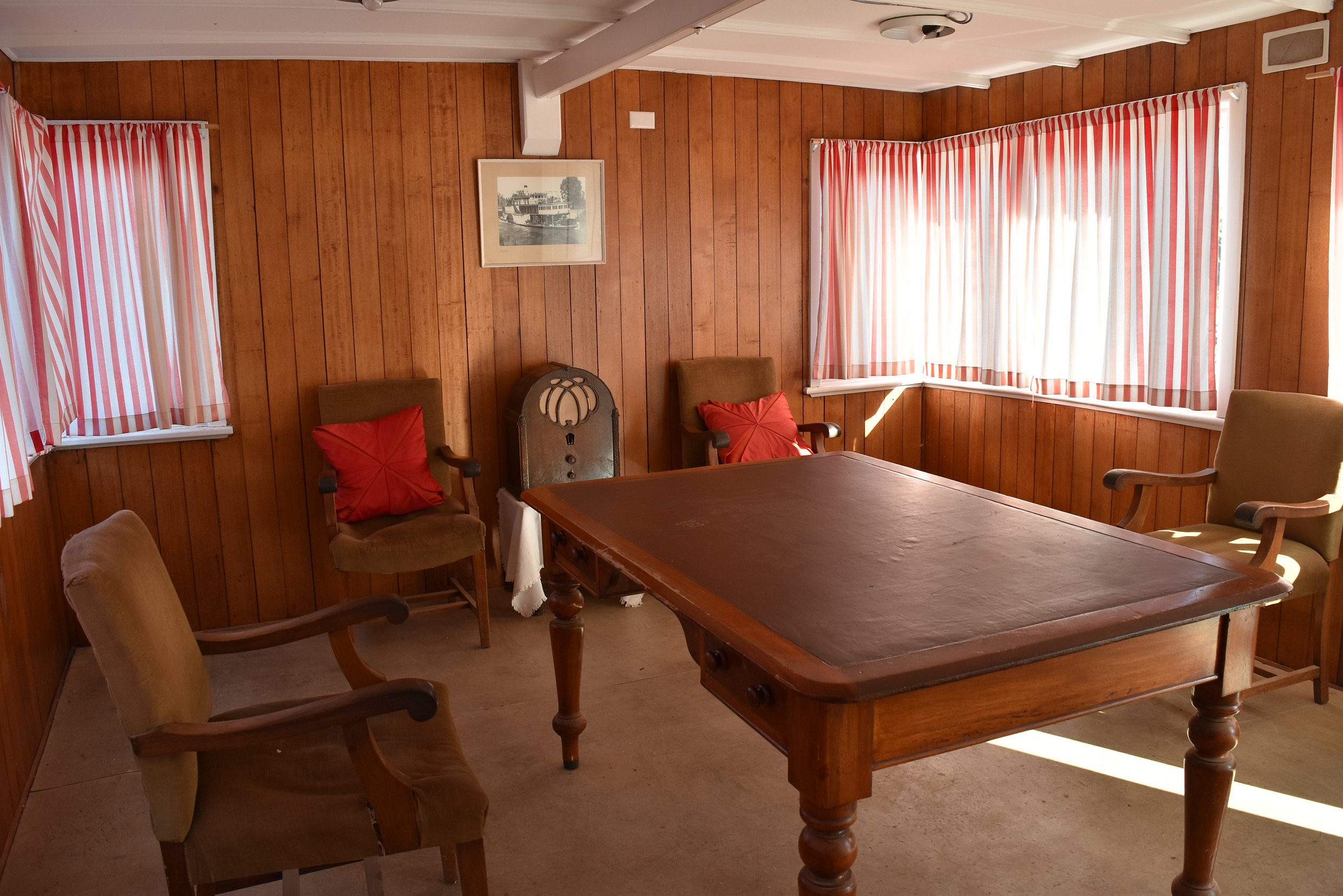
“In service, her lower deck was used for cargo storage; engine room, dining room and galley. Passenger accommodation was located on the middle deck, while the top deck was used for the wheelhouse and to accommodate the crew. The Gem also had a Smoking Room at the rear of the upper deck for gentlemen and a Music Room for the ladies at the front of the middle deck.”

Exterior photos.

Go aboard!

Lower deck

Middle deck: cabin, music saloon

Upper deck

Horse-drawn Omnibus

Larger photo

Part of the horse-drawn vehicle collection at Swan Hill’s Pioneer Settlement.

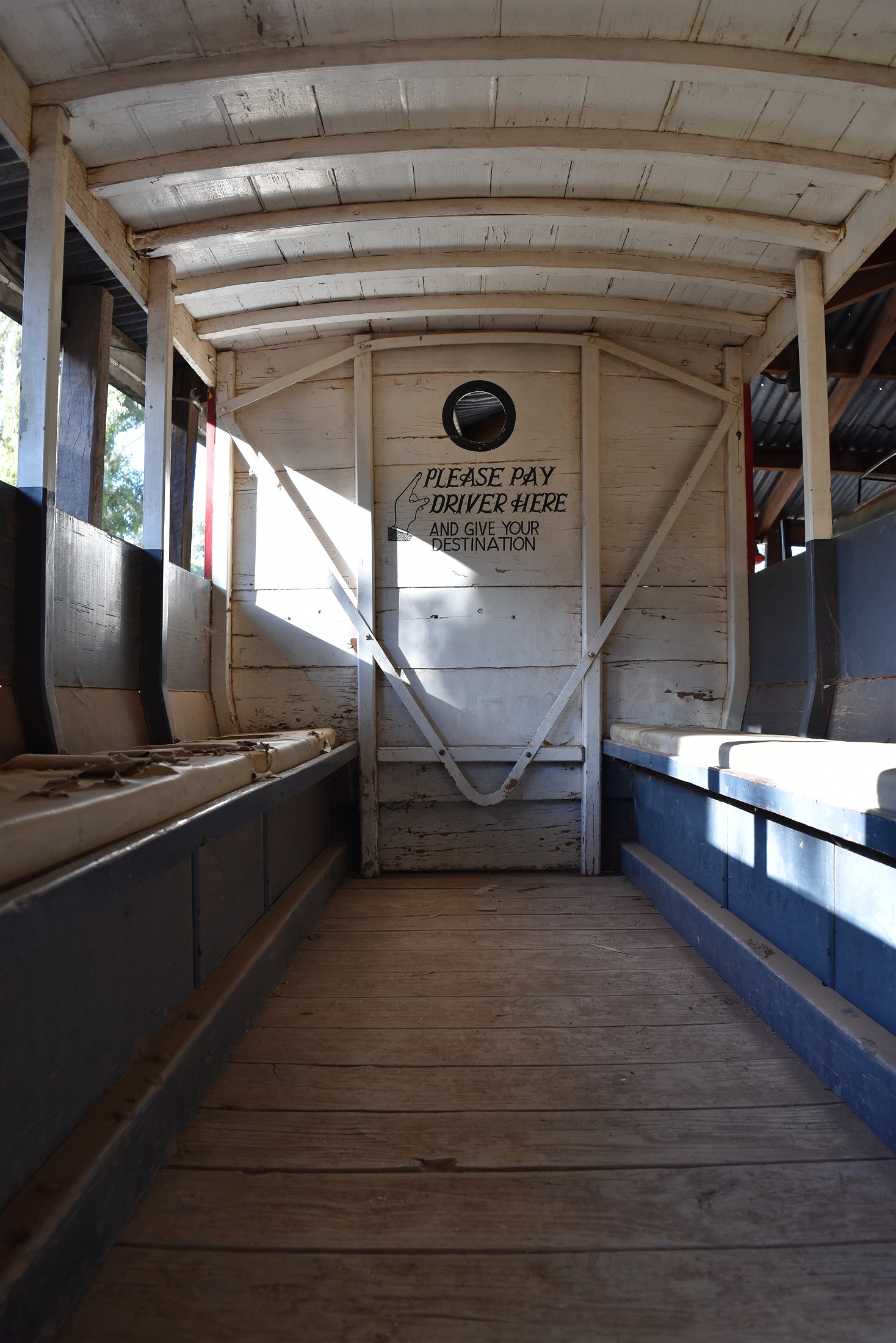
The horse-drawn Omnibus was a French invention which came to Australia via England in the mid nineteenth century, it was the equivalent of the modern suburban bus. Similar to the Family Wagonette in that it has parallel side seats, panelled sides and a rear entrance. Unlike the Wagonette though, it also has a fixed top, and windows.

The Omnibus displayed here is a basic model suited to a provincial Mallee town. It lacks the glass widows and the rooftop seating that were found on omnibuses in major cities. The history of this vehicle before arriving at the Settlement is, unfortunately, unknown.

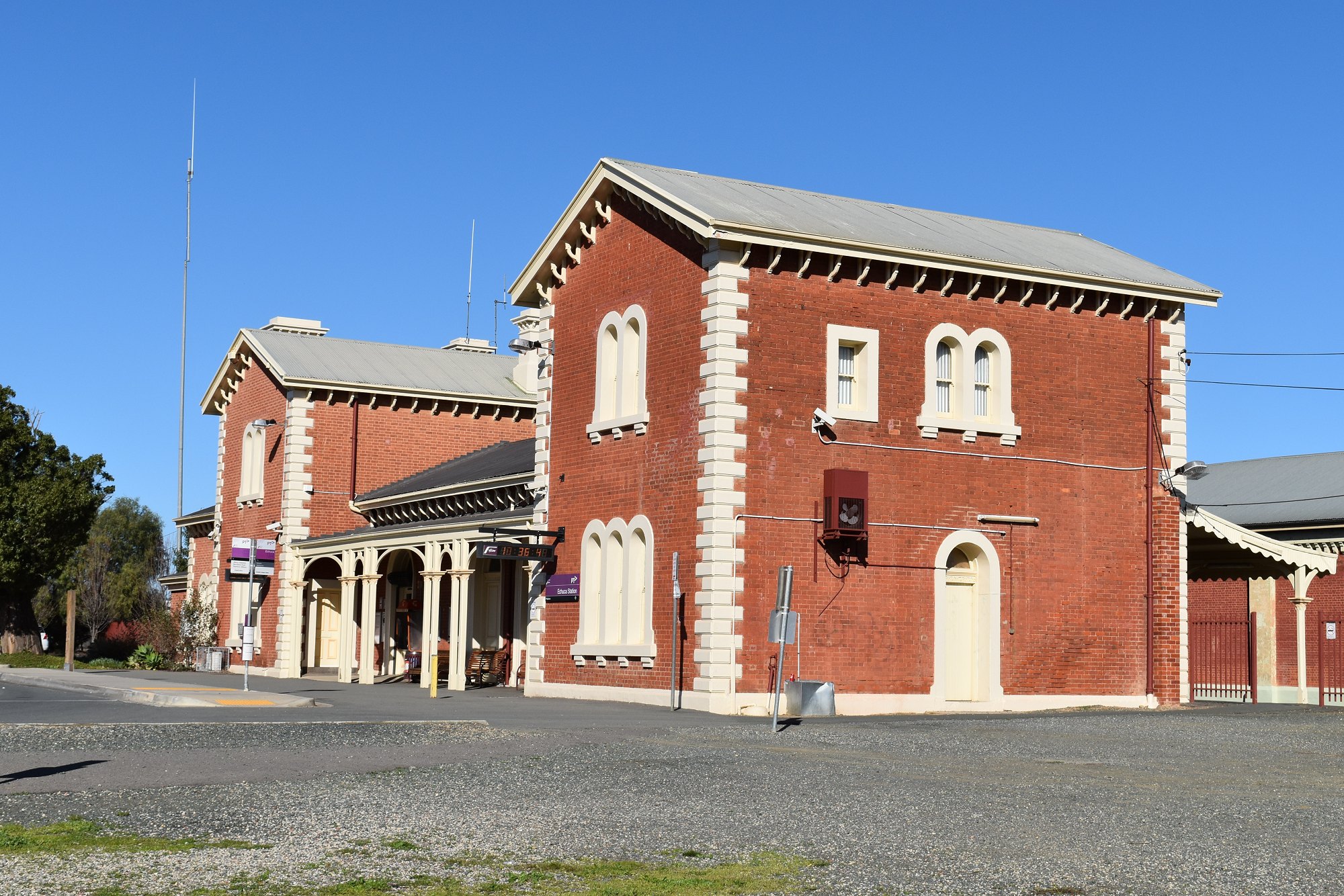
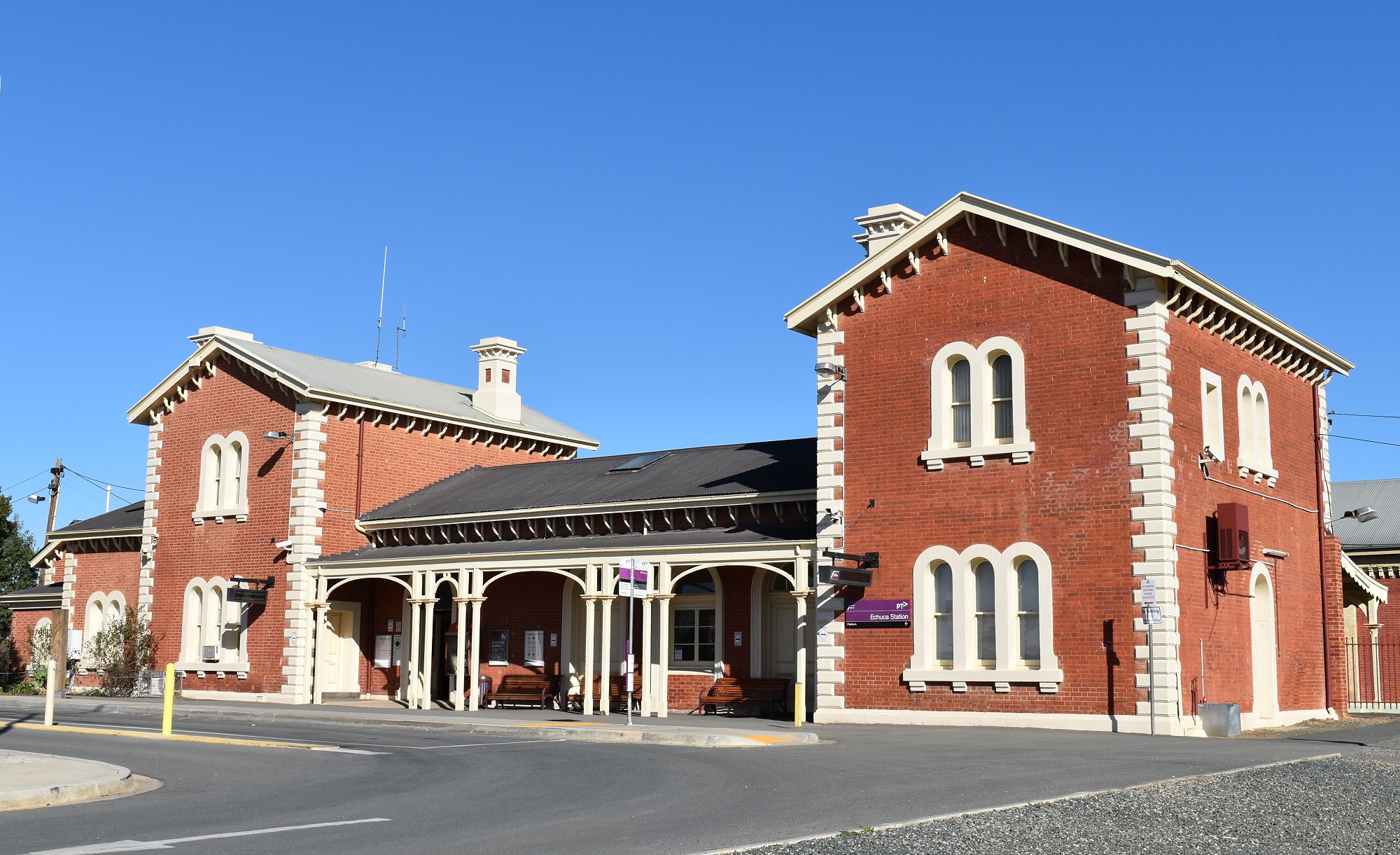
Railway Station, Echuca, Victoria

Railway station at Echuca including interior, public toilet, platform & some surrounding structures.

The railway reached Echuca in 1864, and transformed the town into a major river port, with the opening of the Echuca Wharf and substantial urban growth in the 1870s. In 1876, the Deniliquin and Moama Railway Company opened their 71 km (44 mi) long private railway northwards to Deniliquin. The brick station building at Echuca was provided on opening of the line, along with a double gable roofed brick goods shed, and three road locomotive depot. The station building was expanded in 1877, a large water tower being erected in the same year (demolished in 1977), and the iron footbridge was added in 1880. The concrete rail bridge over the Murray River to the north of the station opened in 1989, replacing a road and rail bridge which opened in 1878.
Wikipedia.

Read more

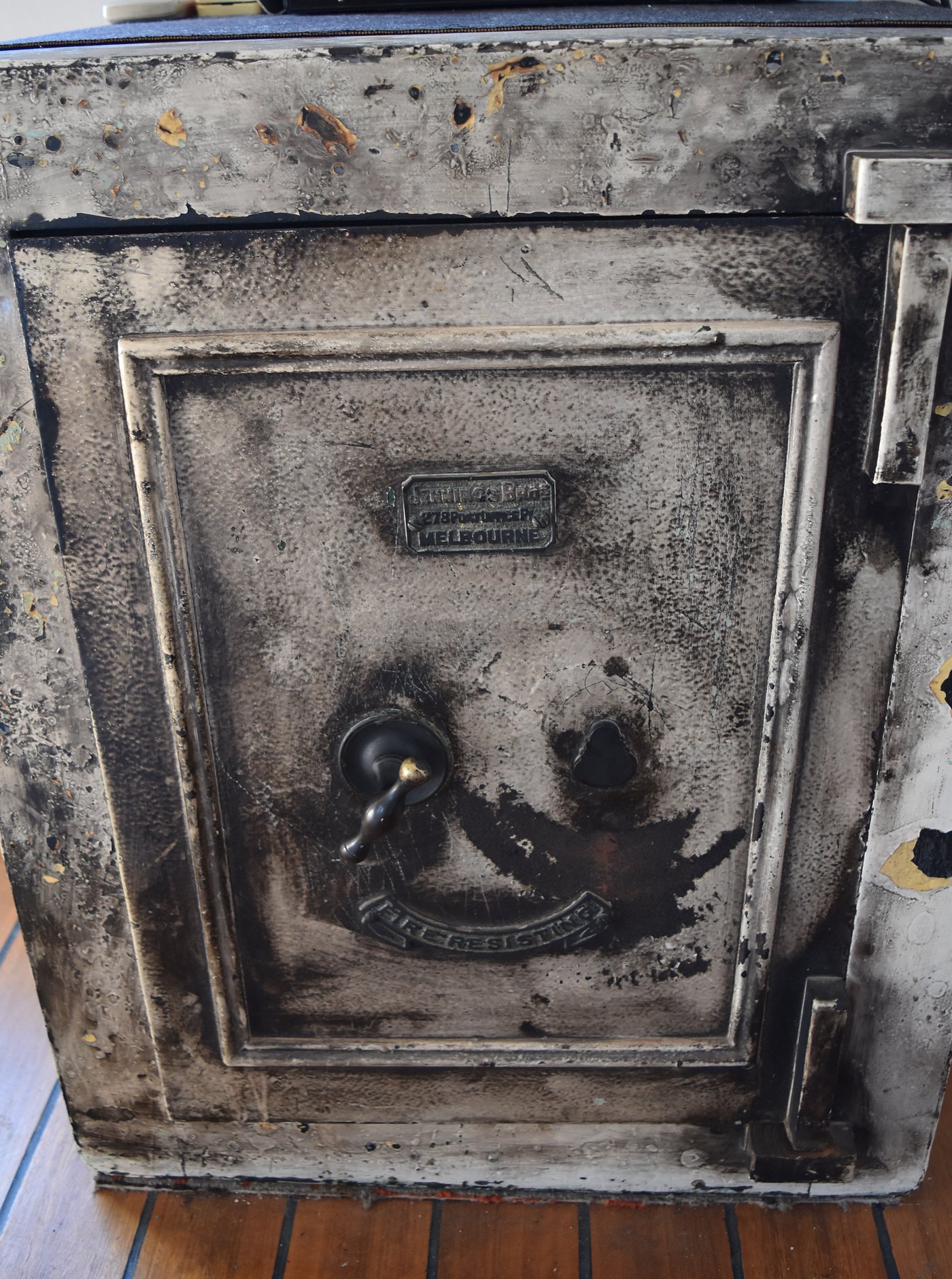
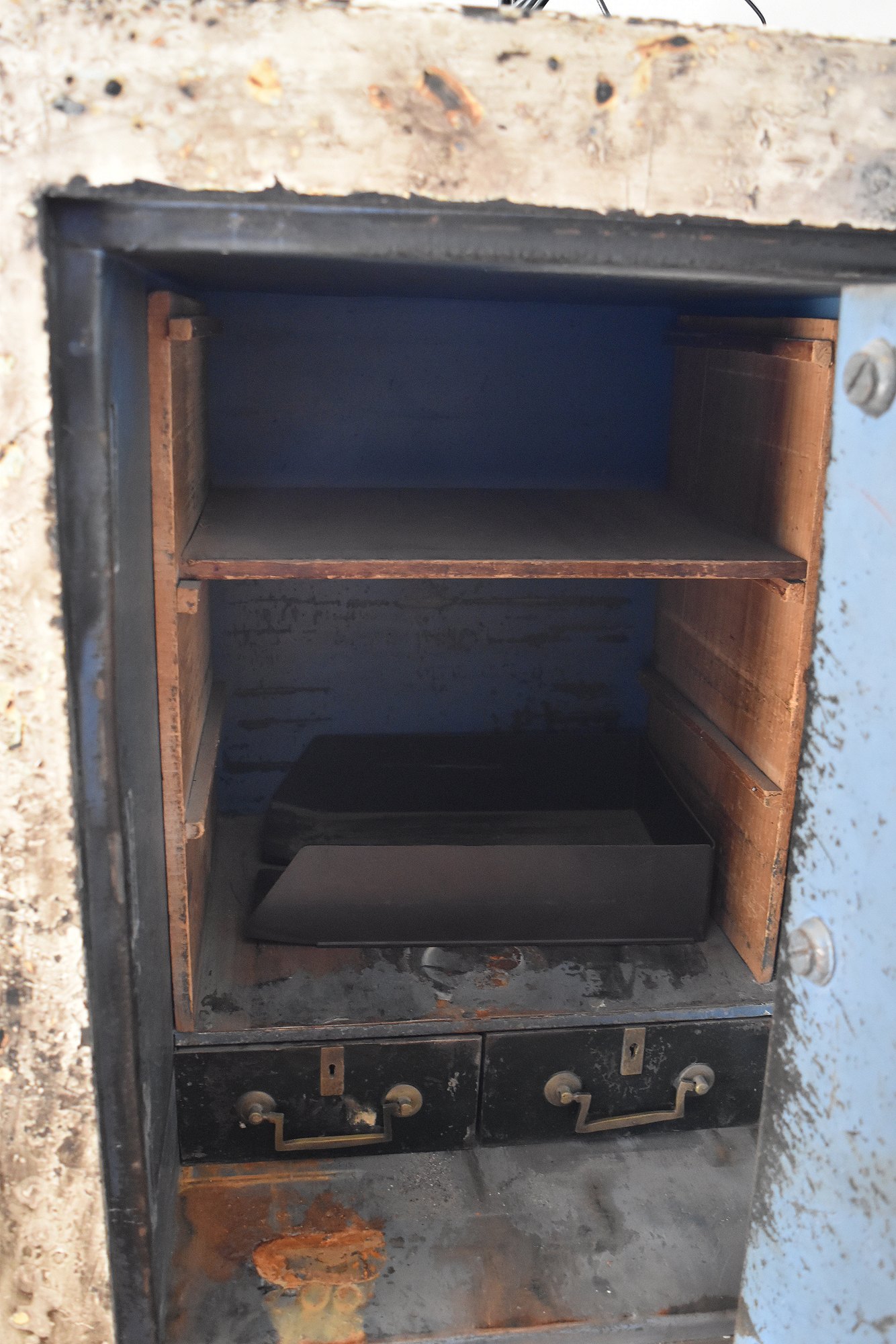
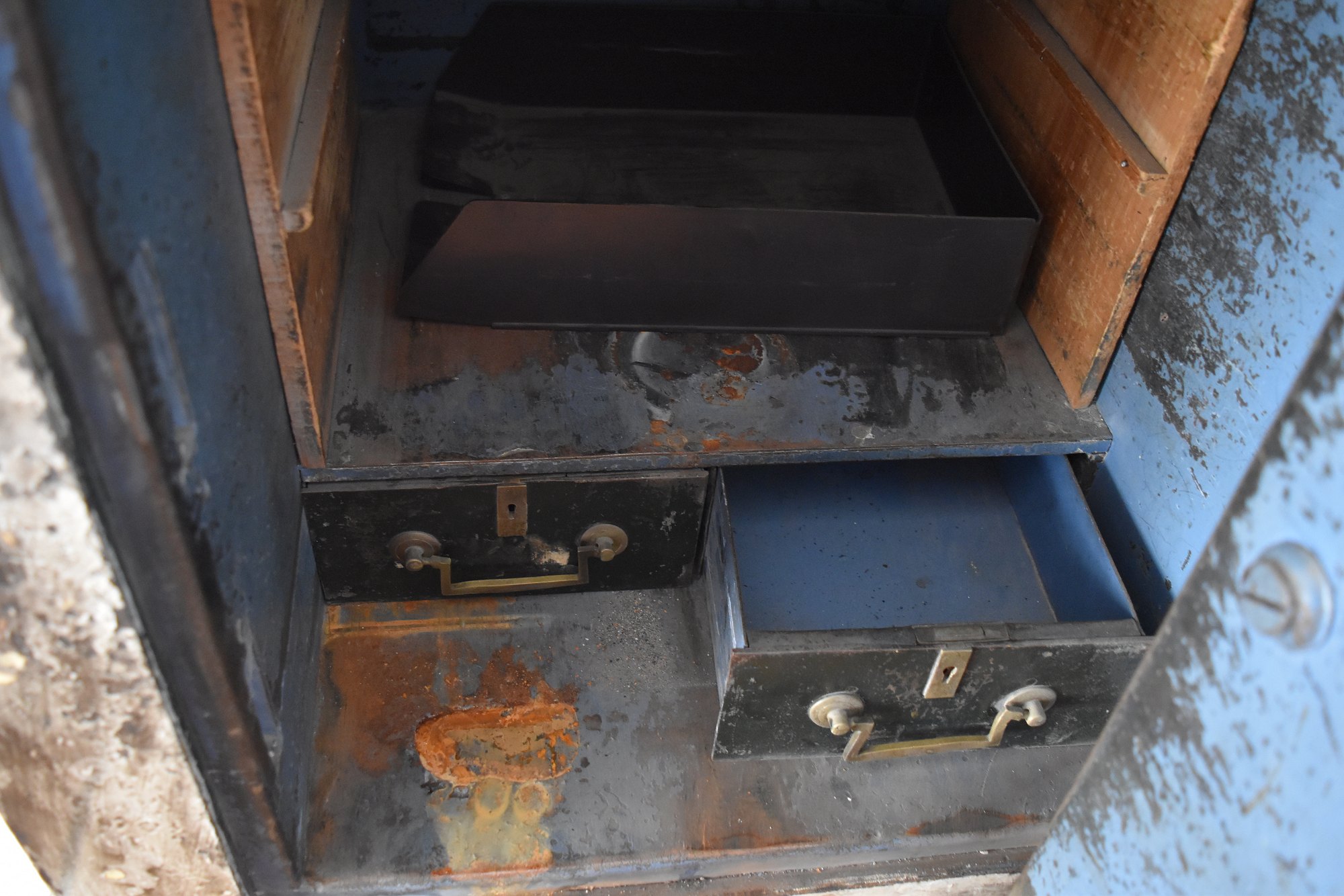
Safe


Jennings of 278 Post Office Place advertised safes for sale from 1891 to 1917. (Just prior to that, their address is 272 Post Office Place/Little Bourke Street.


Advocate (Melbourne), 24 November 1917

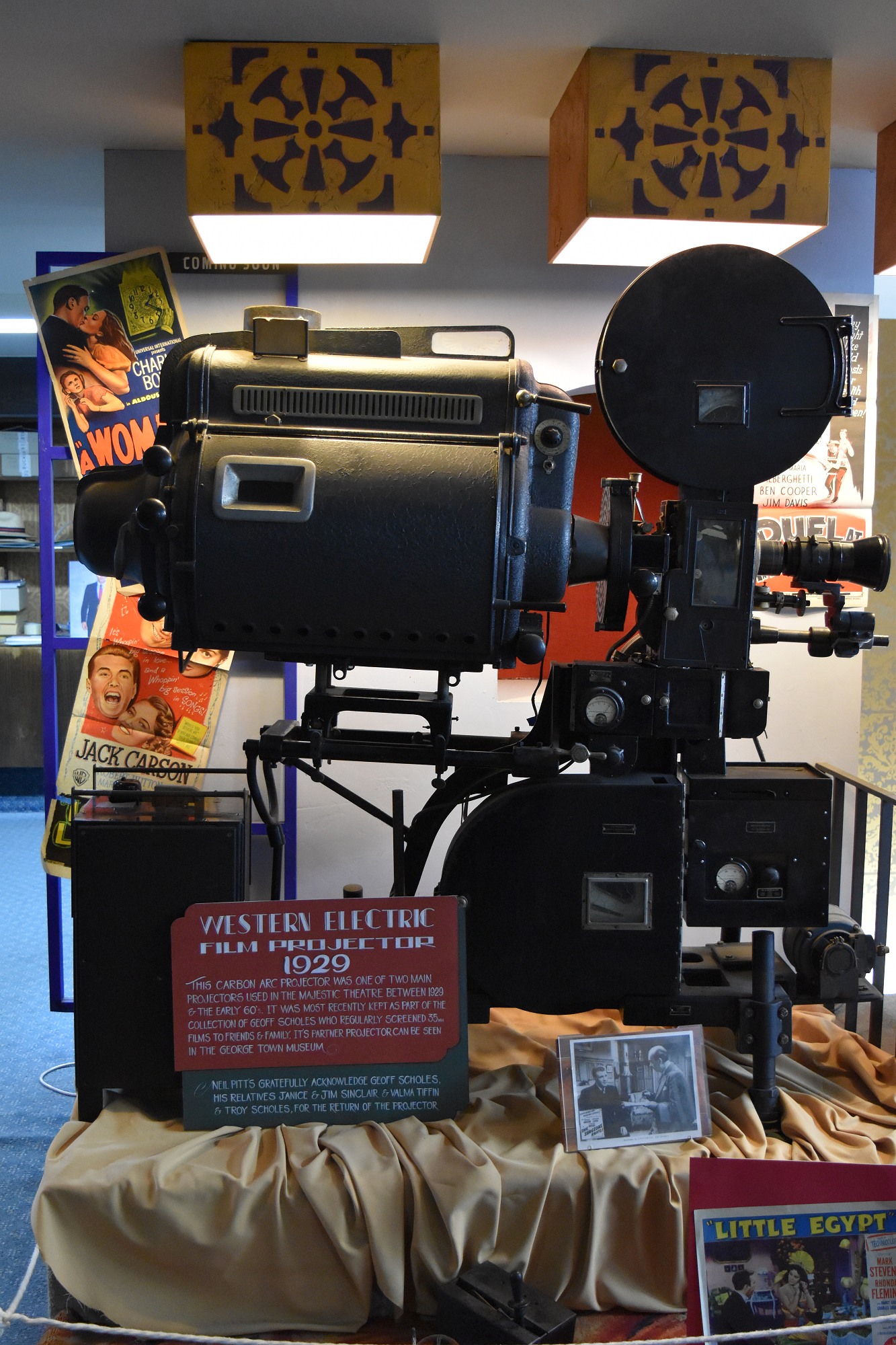
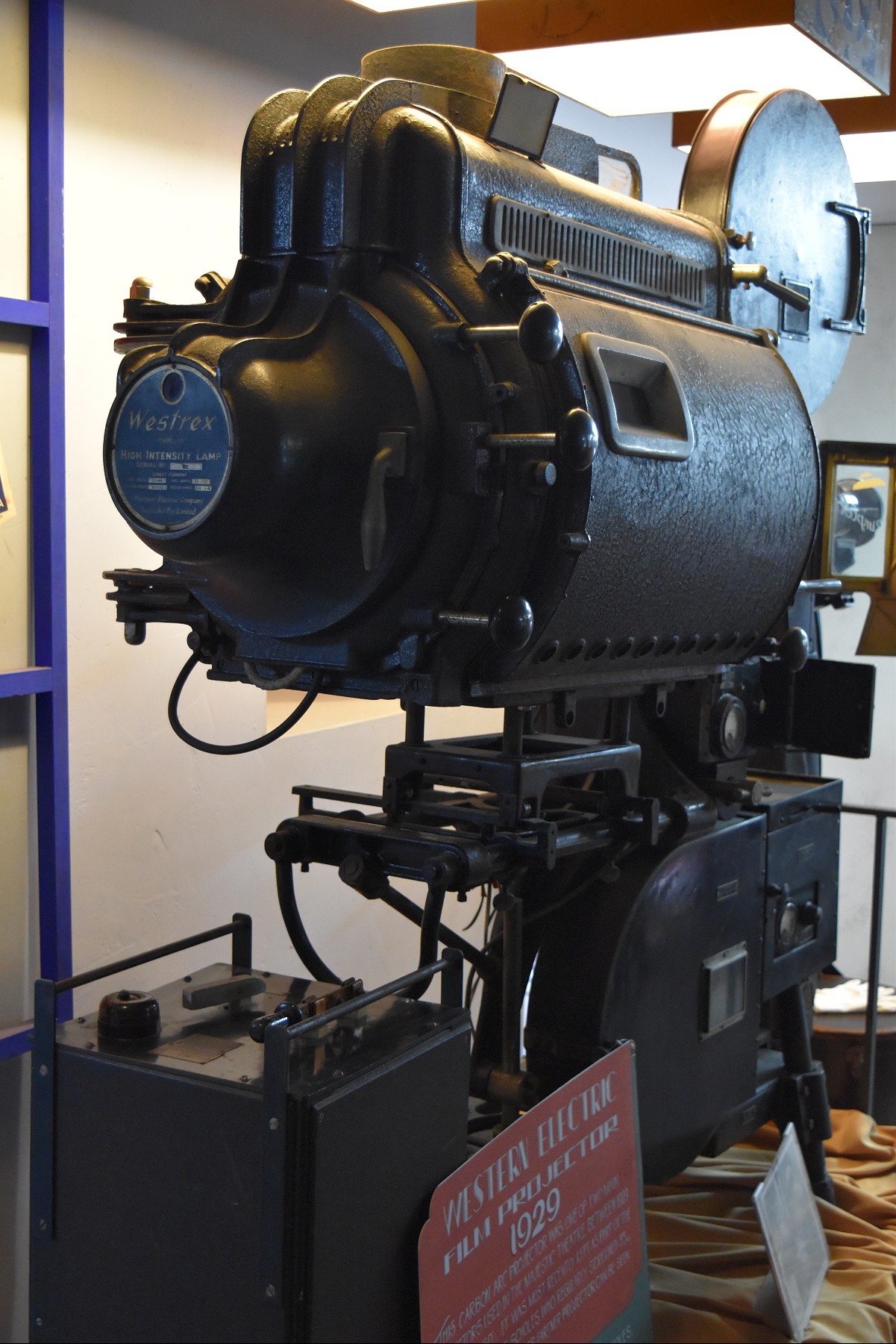
Western Electric Film Projector

Located in Neil Pitt’s Menswear in Launceston, which was formerly the Majestic Theatre, Launceston.


WESTERN ELECTRIC
FILM PROJECTOR
1929
This carbon arc projector was one of two main projectors used in the Majestic Theatre between 1929 and the early 60’s. It was most recently kept as part of the collection of Geoff Scholes who regularly screened 35 mm films to friends and family. It’s partner projector can be seen the George Town museum.

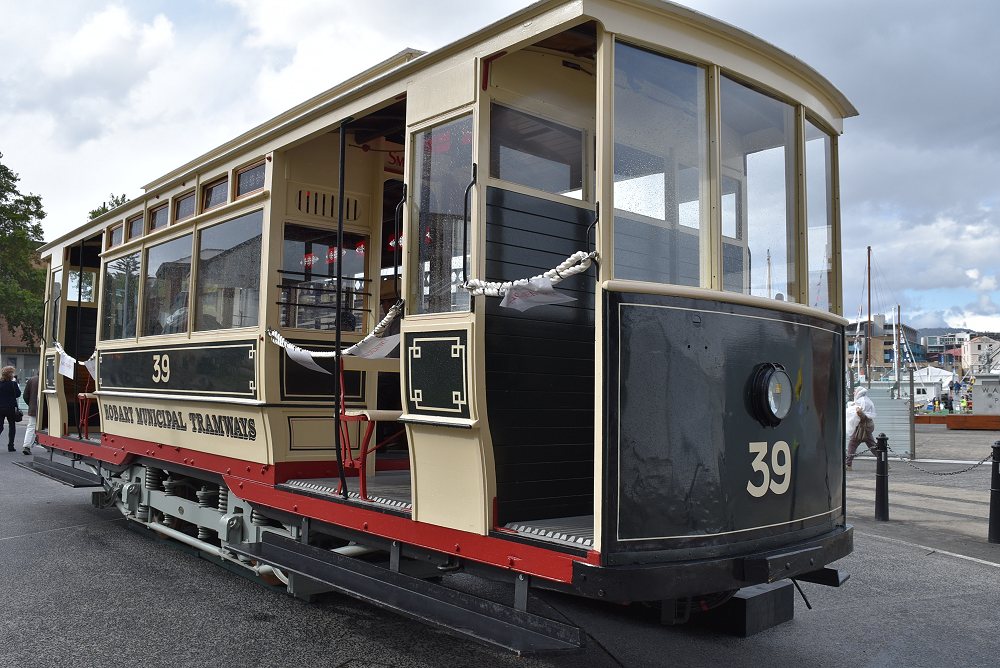
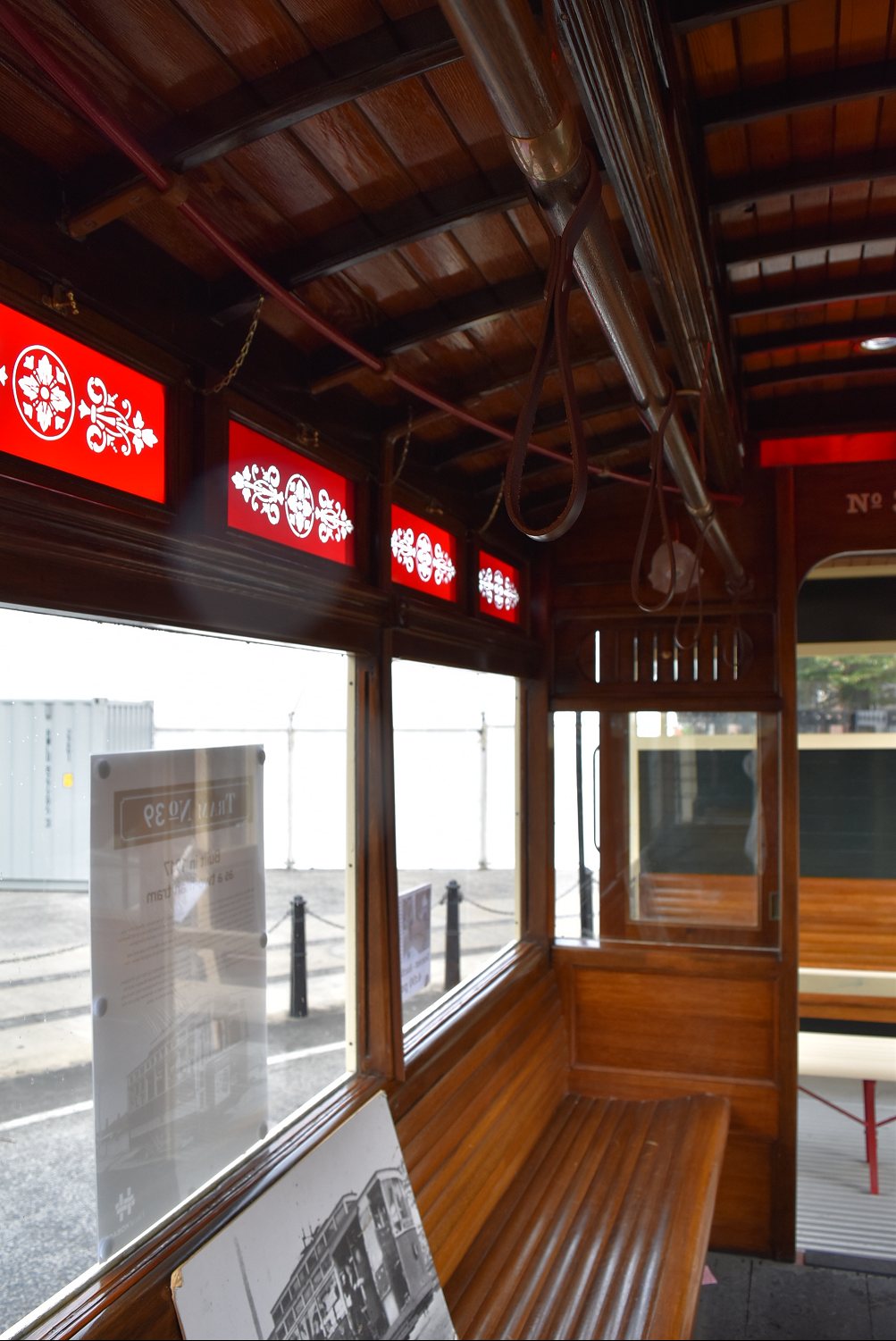
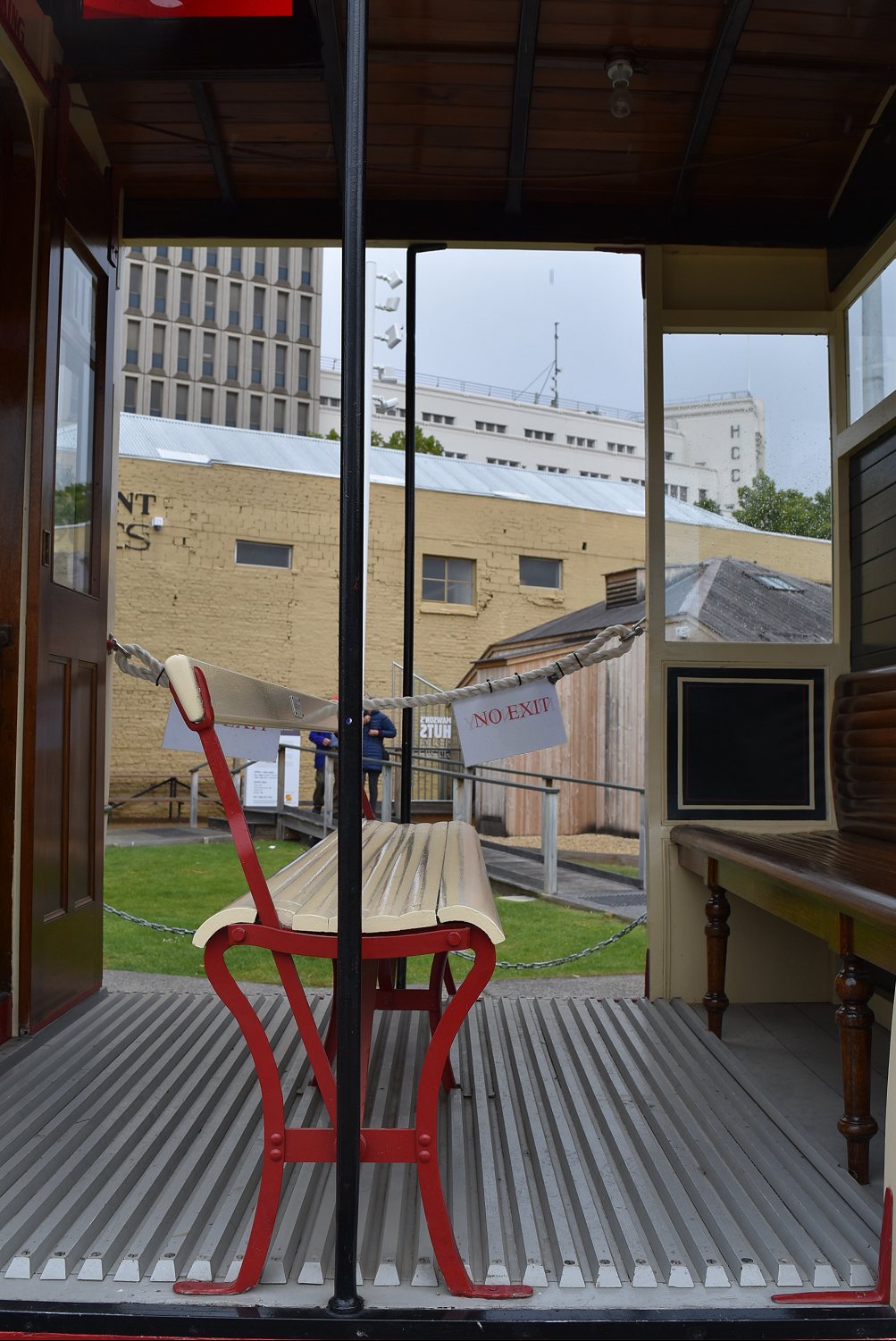
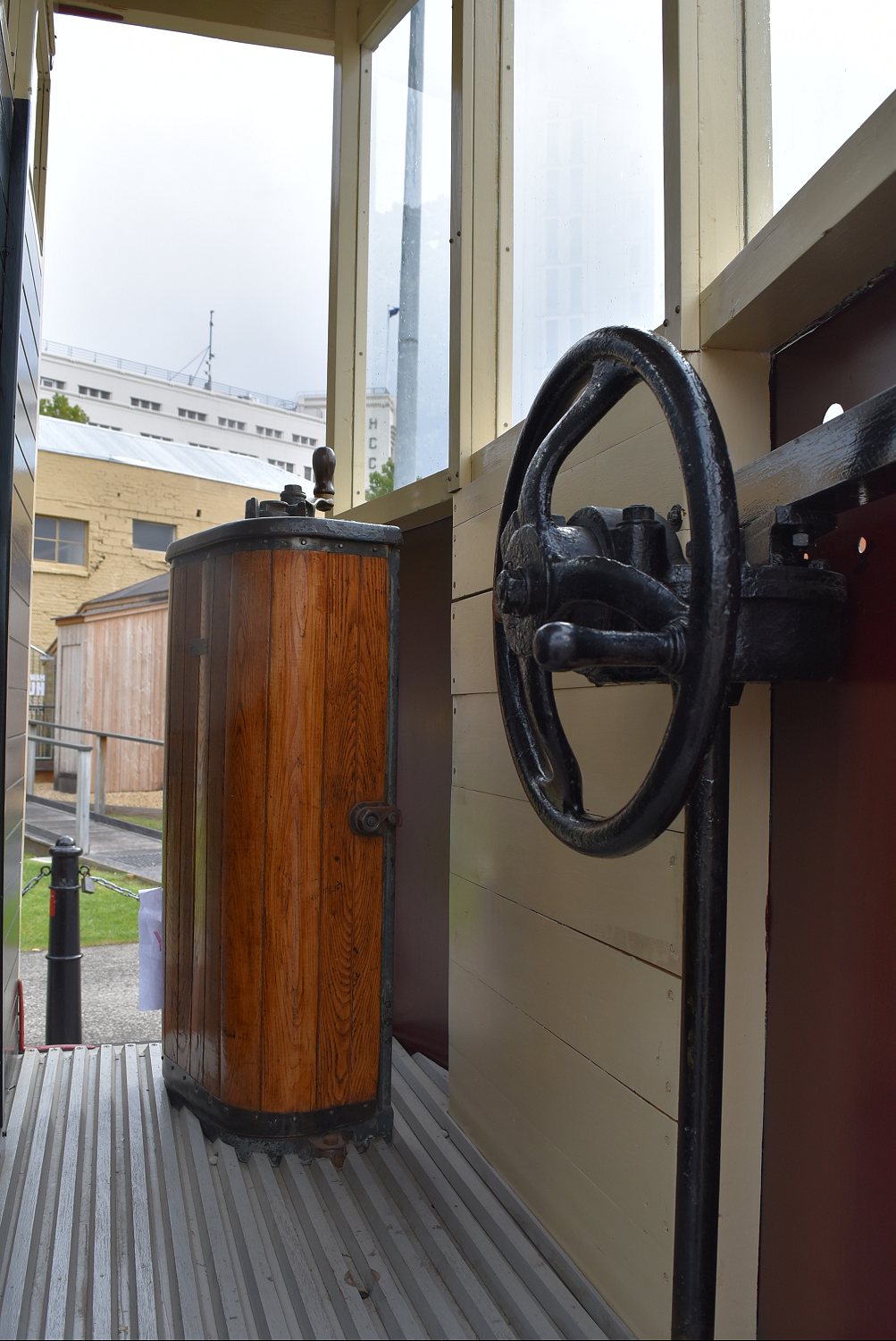
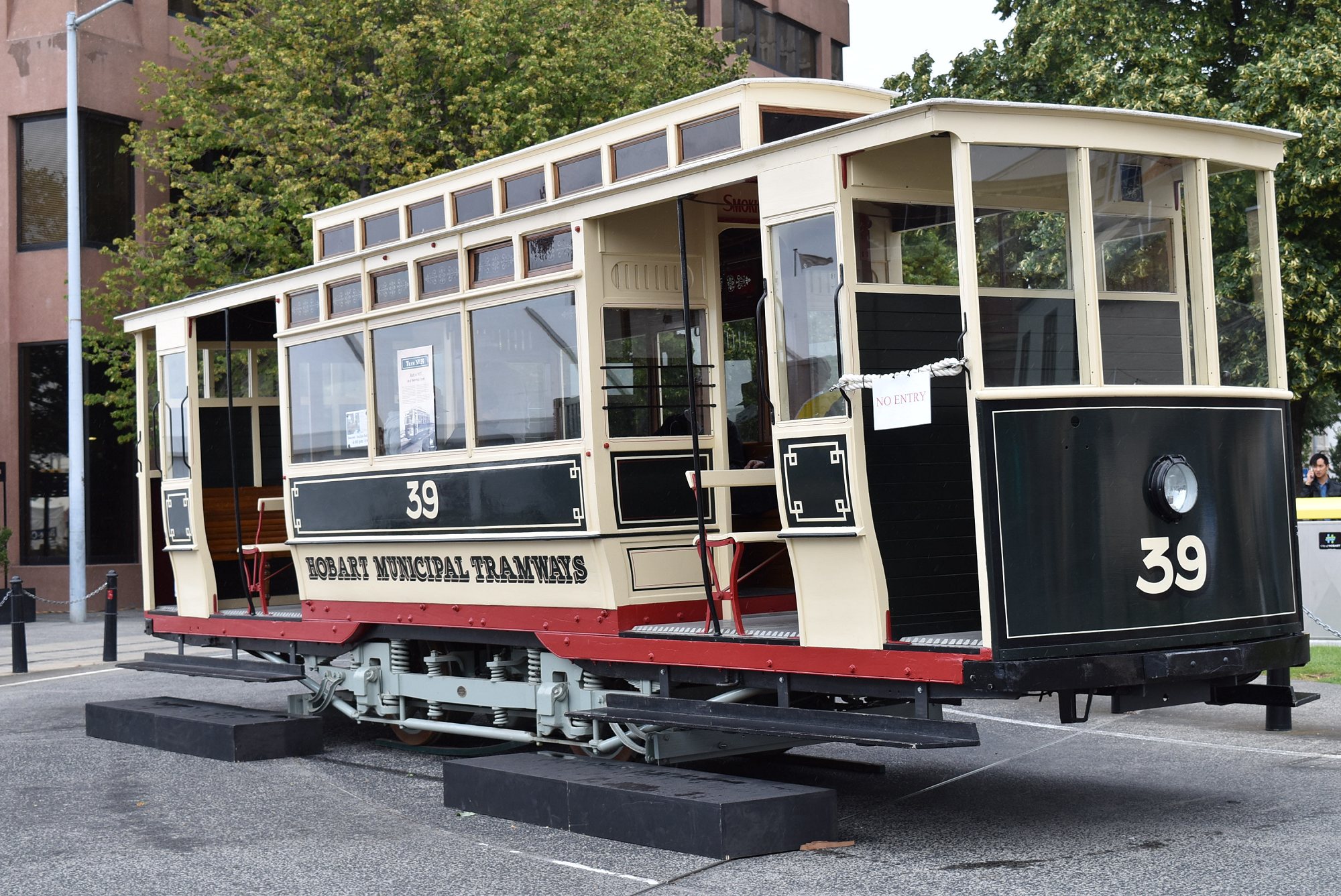
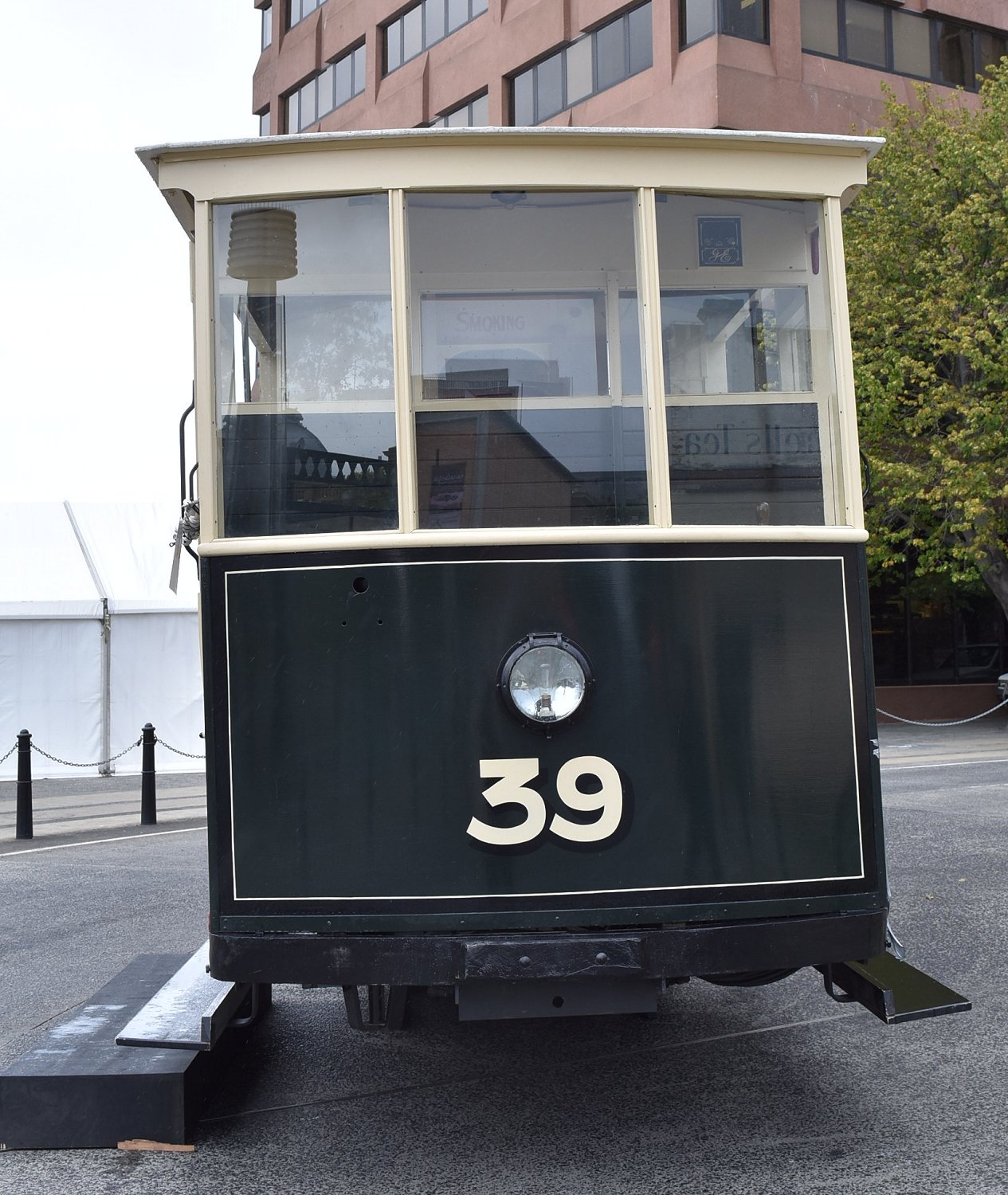
Tram

Larger version.

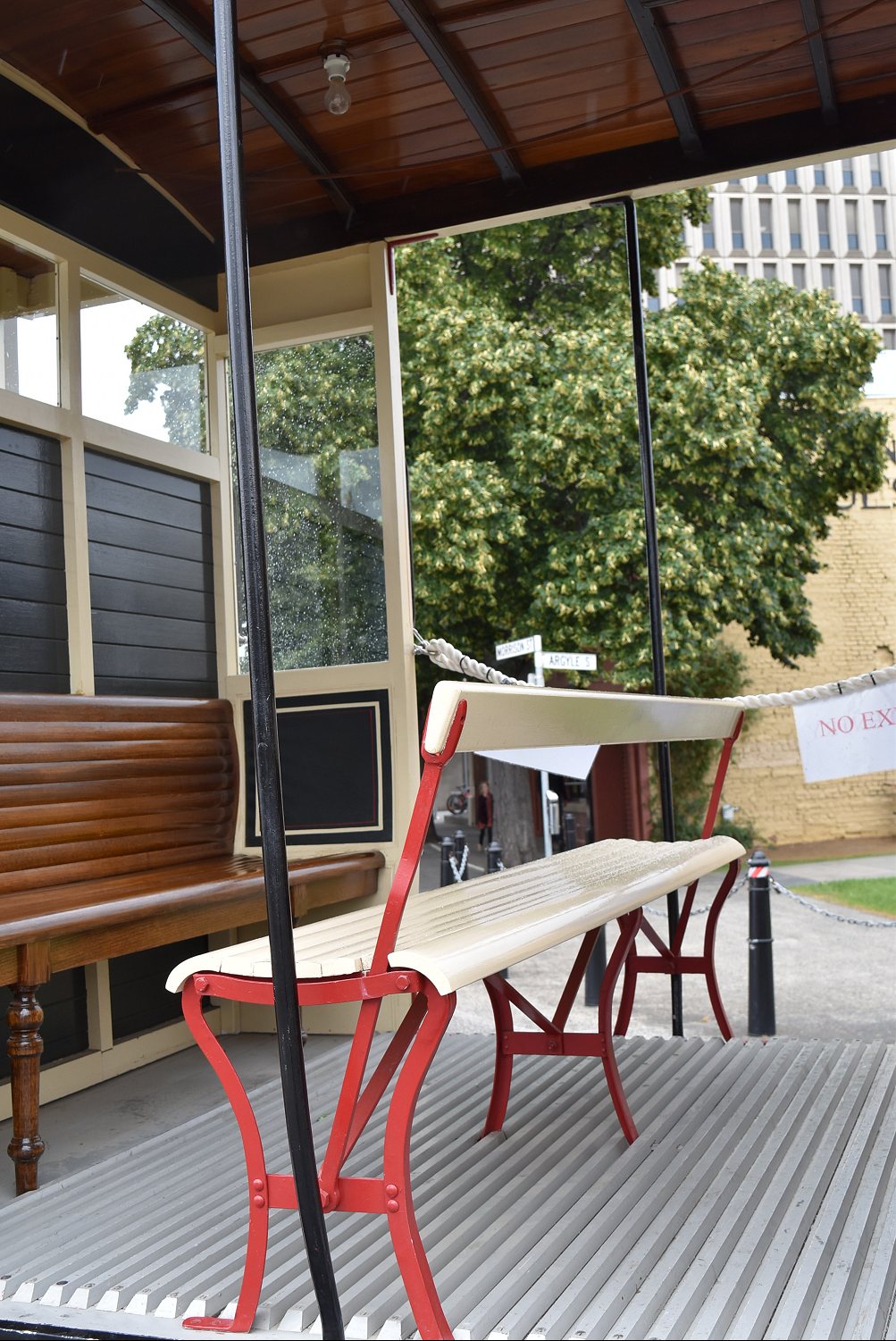
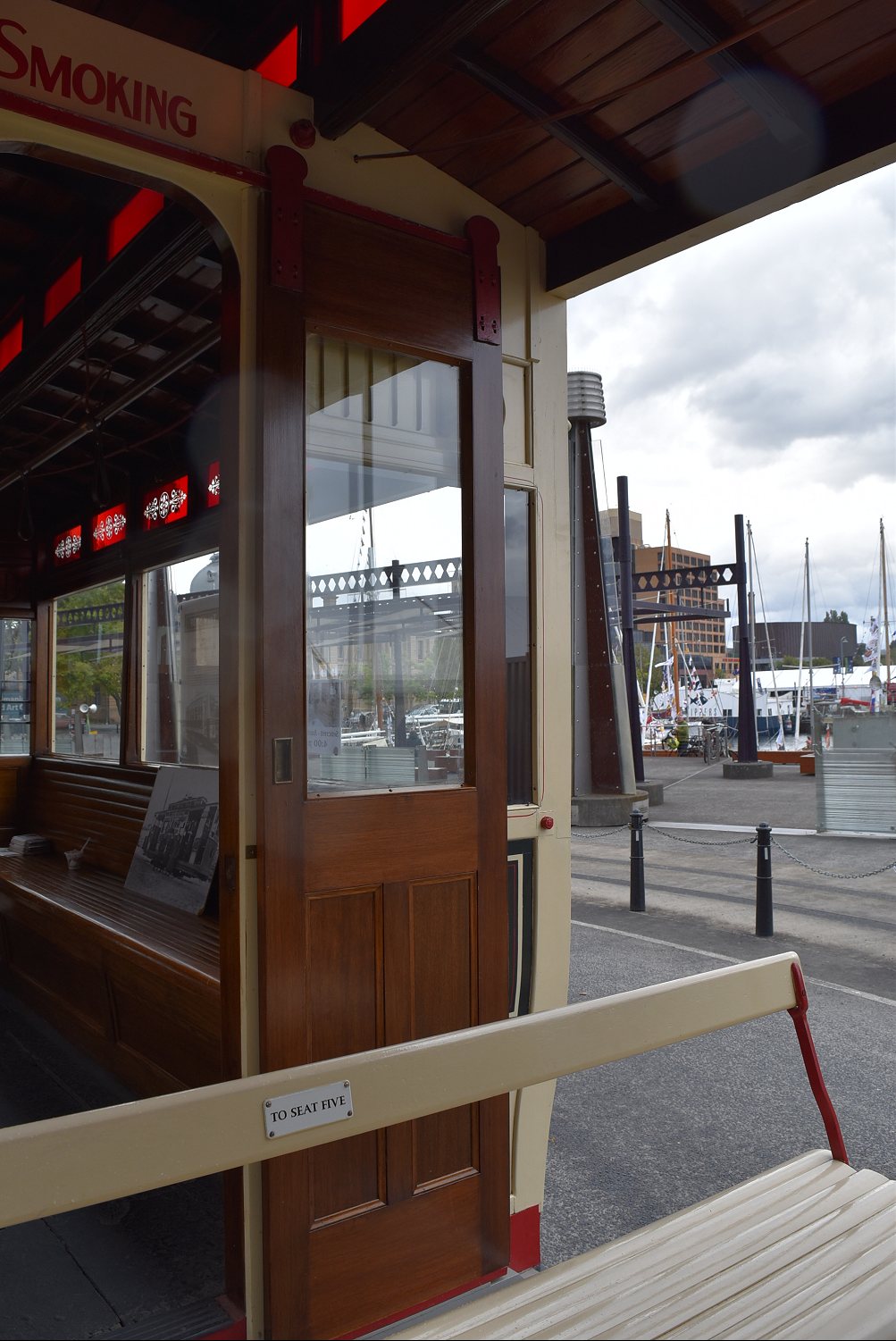
Restored tram, belonging to Hobart City Council.

First paragraph:
TRAM NO. 39
Built in 1917 as a two-man tram.
No. 39 was originally operated by both a driver and a conductor. In 1926 it was converted to a one-man tram on which the driver was also required to collect the fares. After about 1946, when No. 39 was taken out of service, it served for a number of years as the meal room at the Moonah tram depot. It 1949 a former tramways inspector purchased No. 39 for £10 and kept it in his backyard in New Town for almost 40 years.

Lower deck, P.S. Gem

Larger image

Lower deck on P.S. Gem, at the Swan River Pioneer Settlement.

From information panel on post:

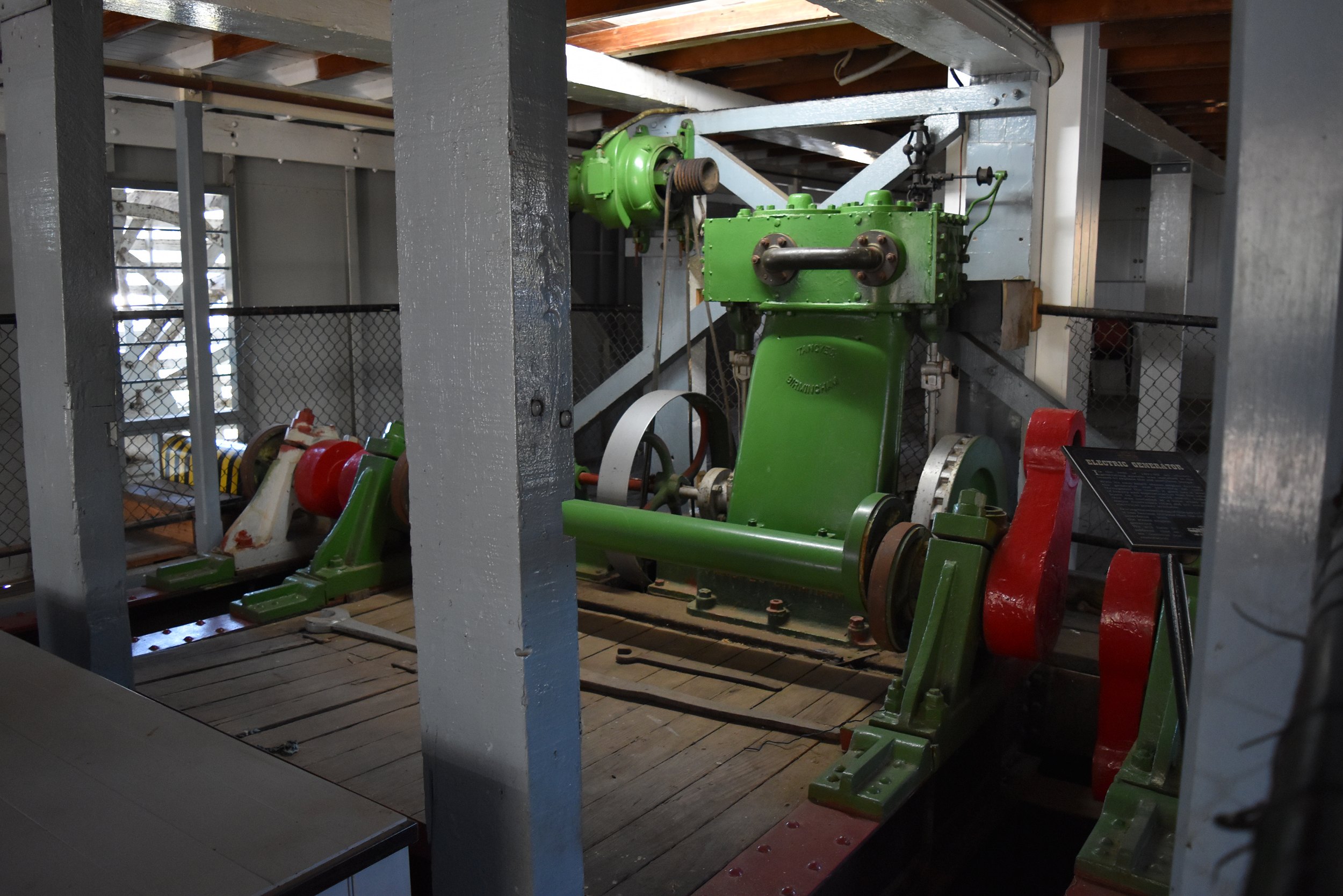
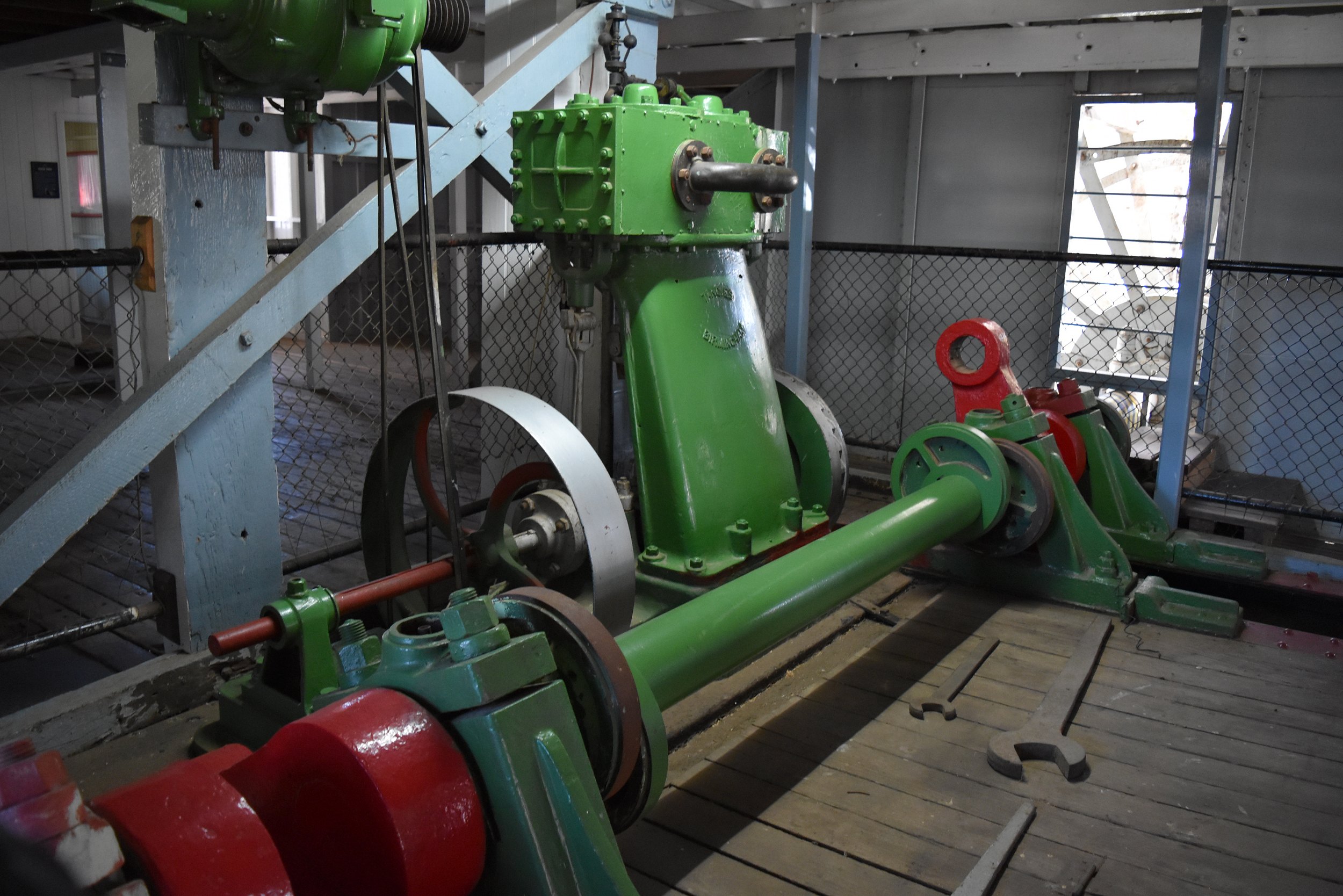
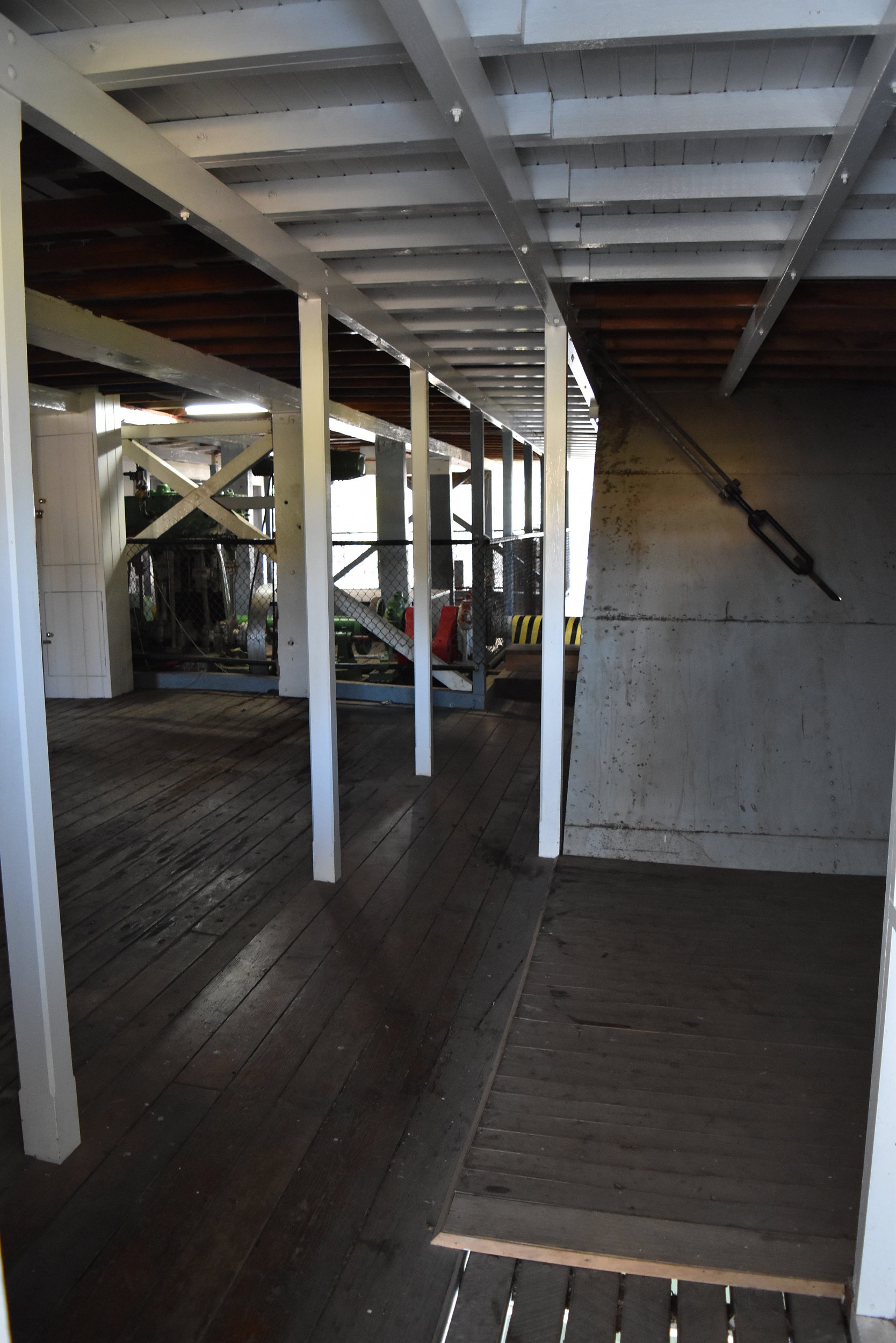
ENGINE ROOM
Following her conversion from barge to paddle steamer in 1877, this space would have been filled with the large, wood fired boiler which provided the steam for the engine. That was linked directly to the paddles through shafts either side. As can be seen in the photograph, the wood used as fuel took up a great deal of space here too. In 1891/92 that original engines was supplemented with a second set of pistons, increasing both power and efficiency.

To Middle Deck.

To Middle Deck


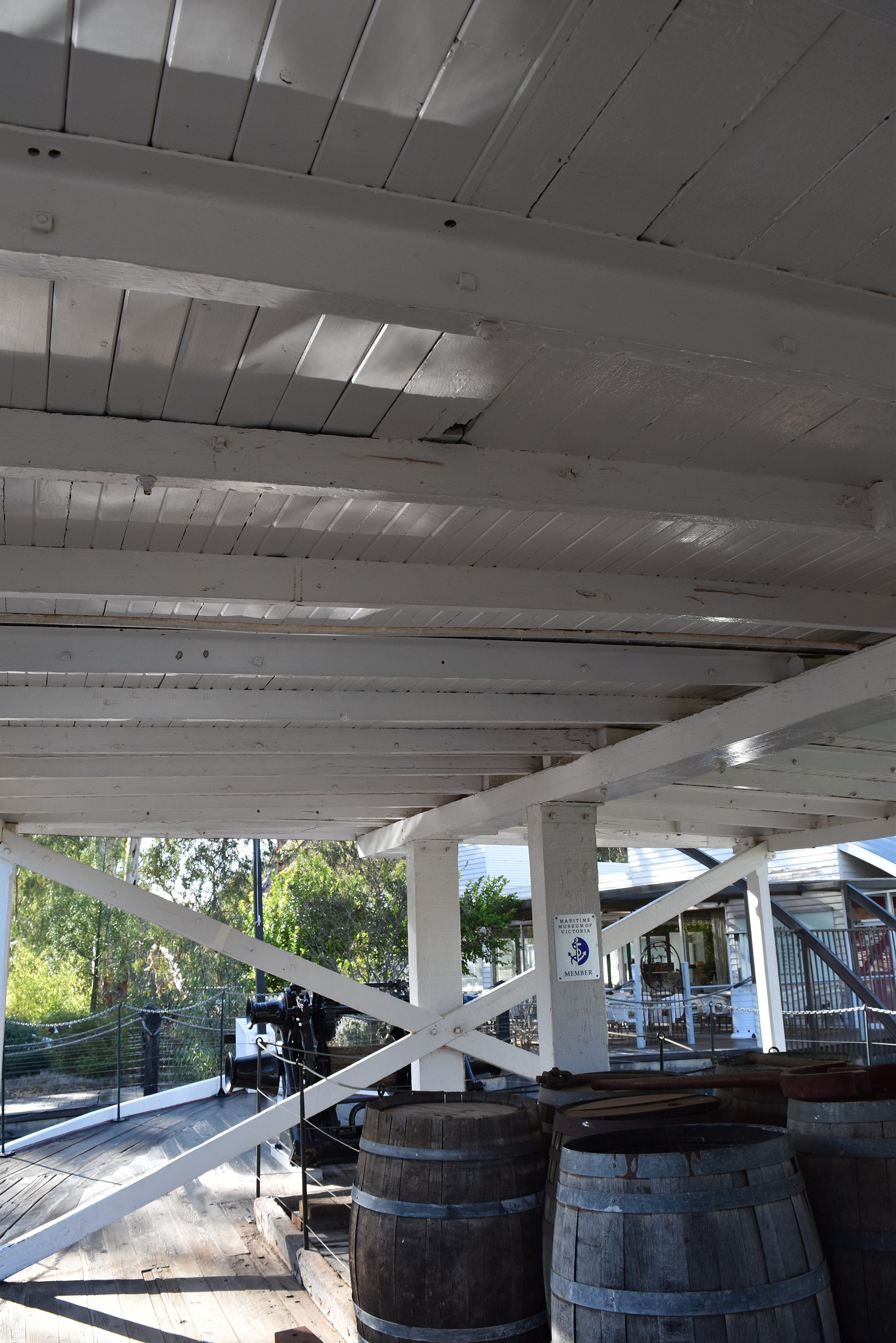
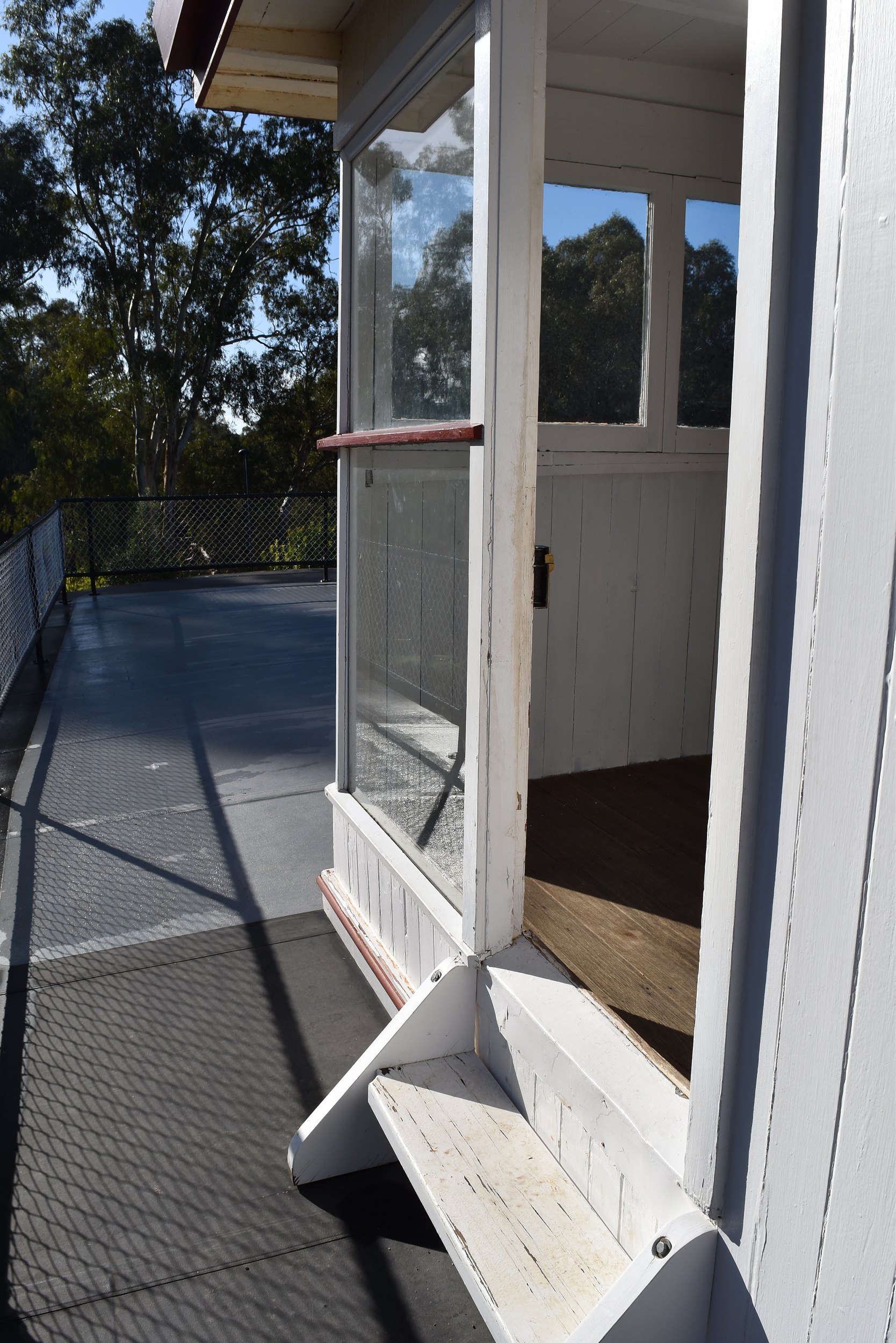
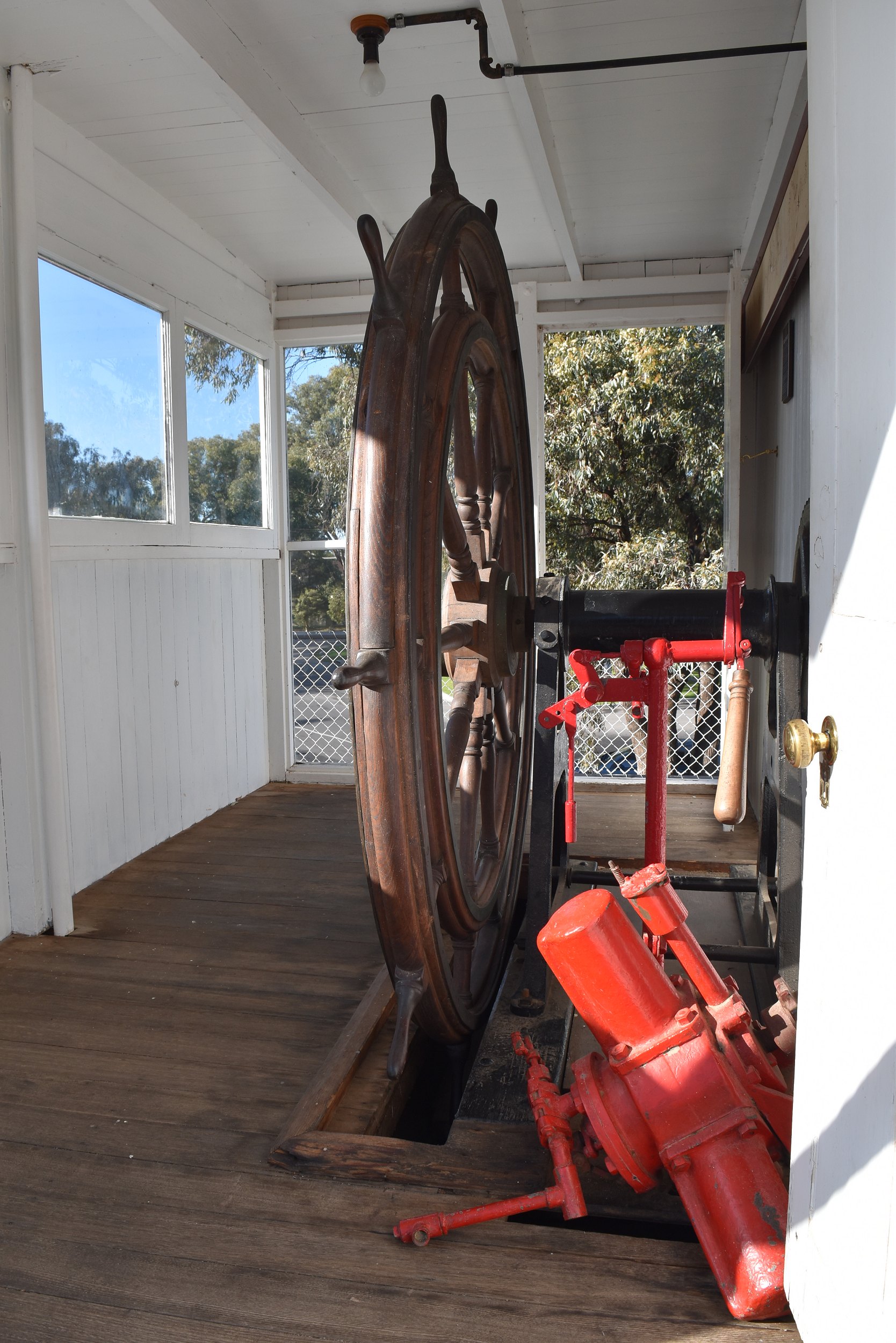
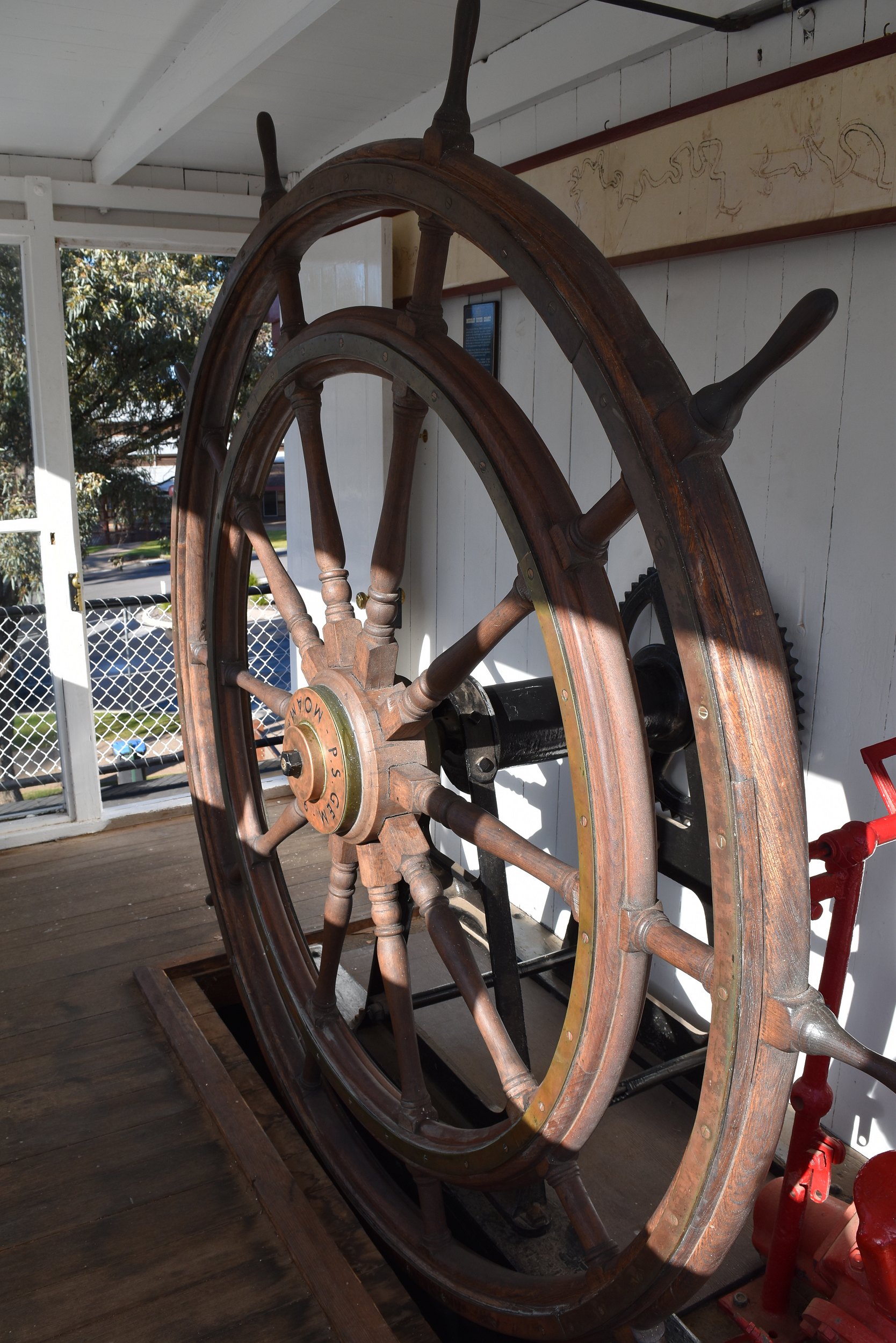
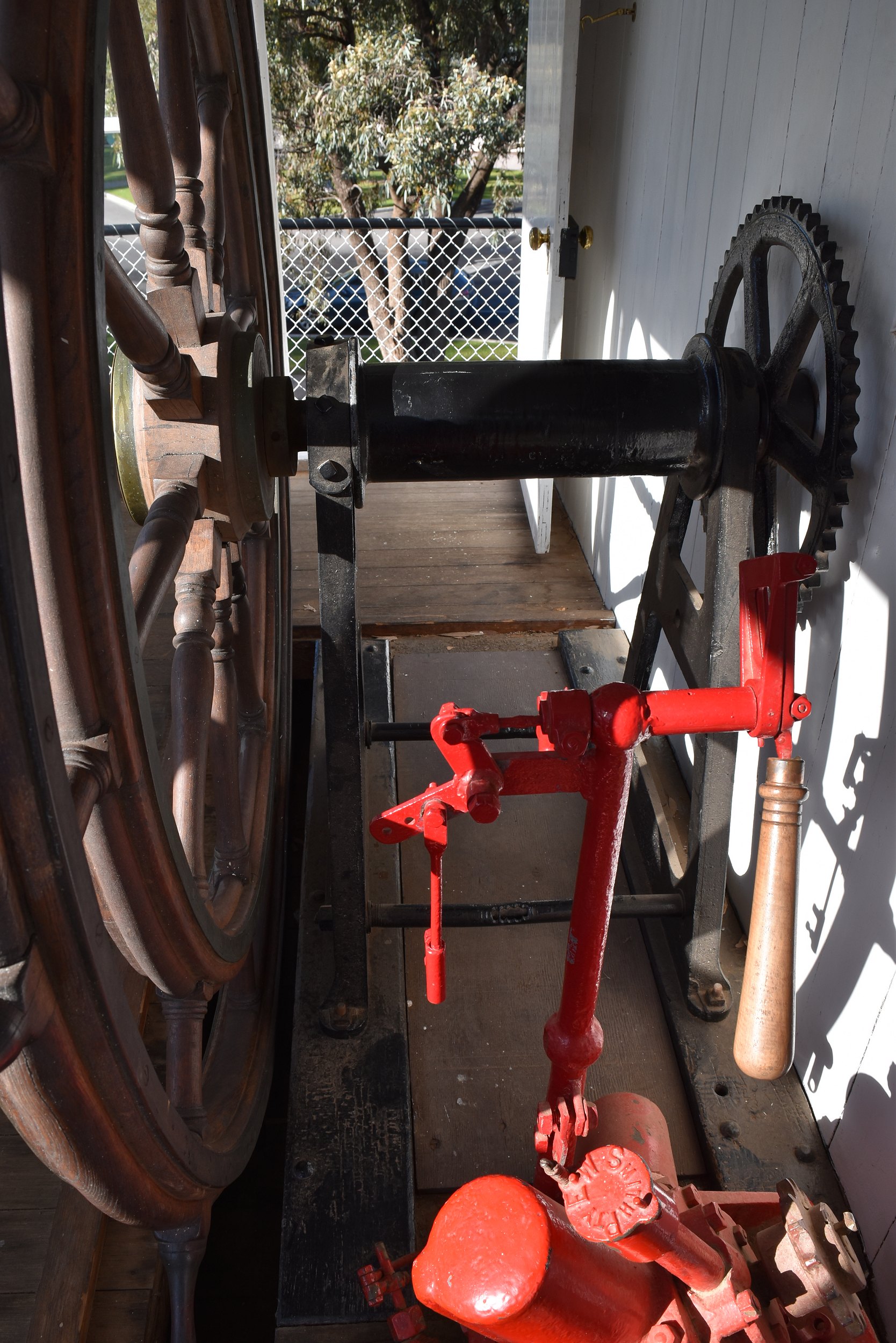
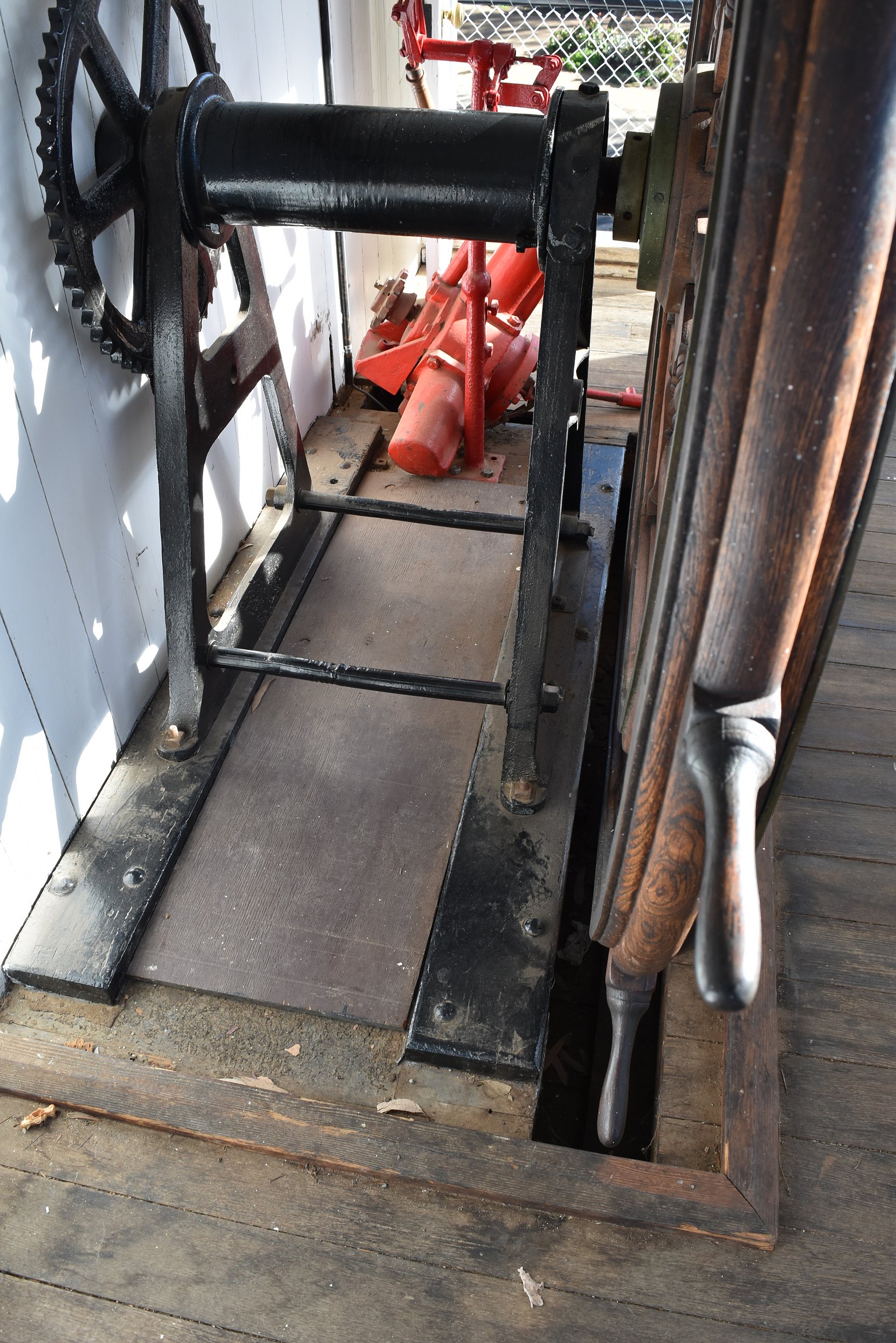
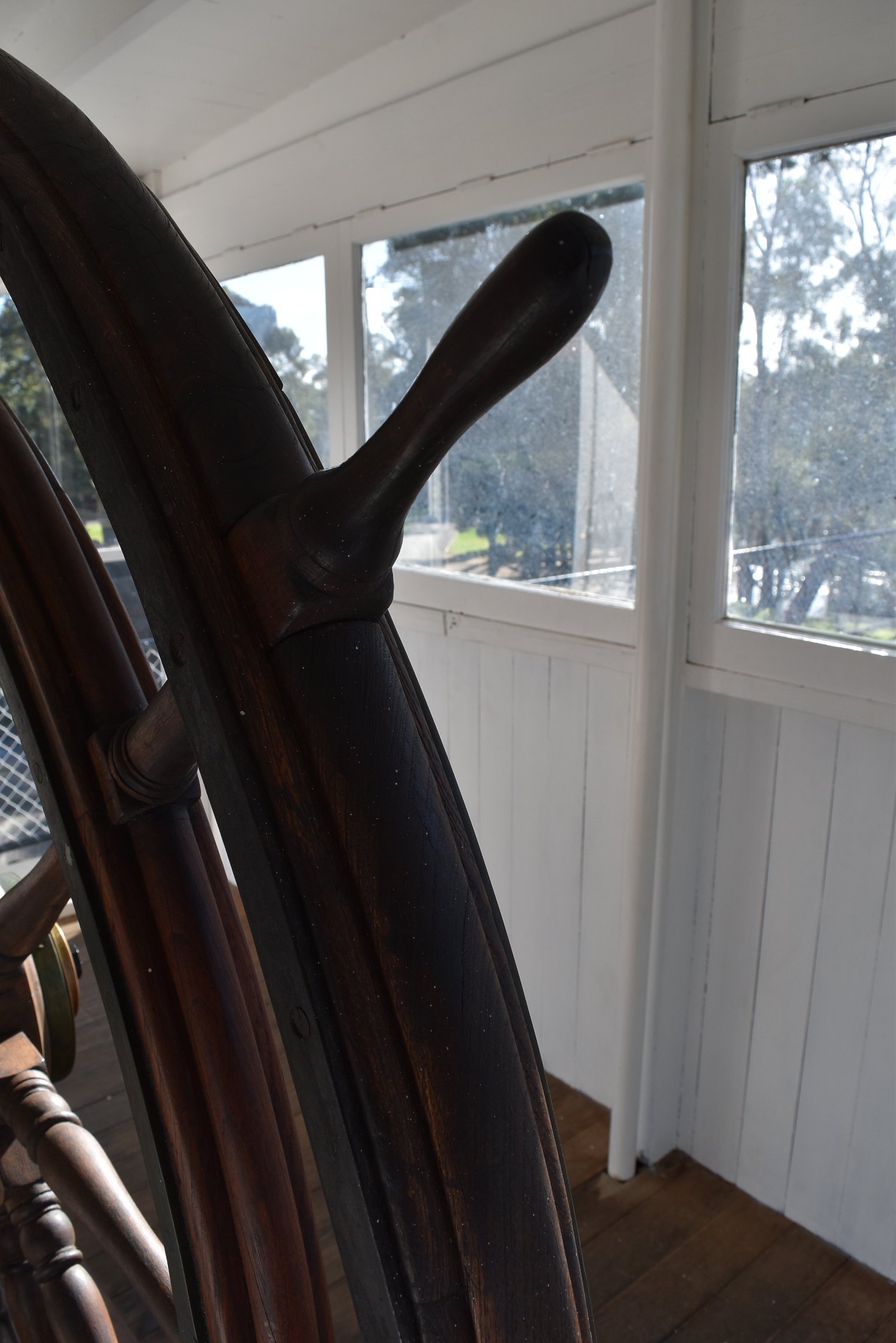
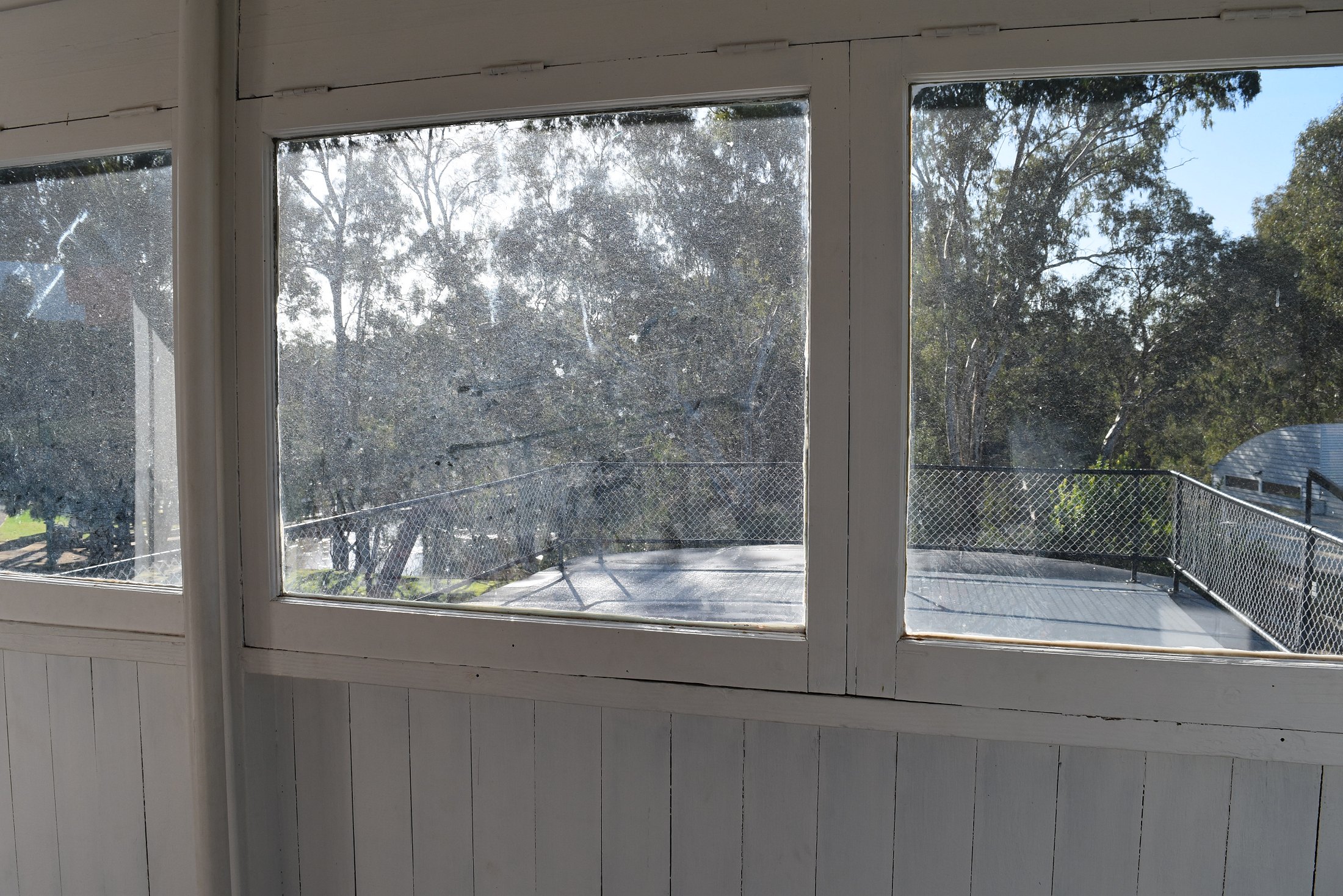
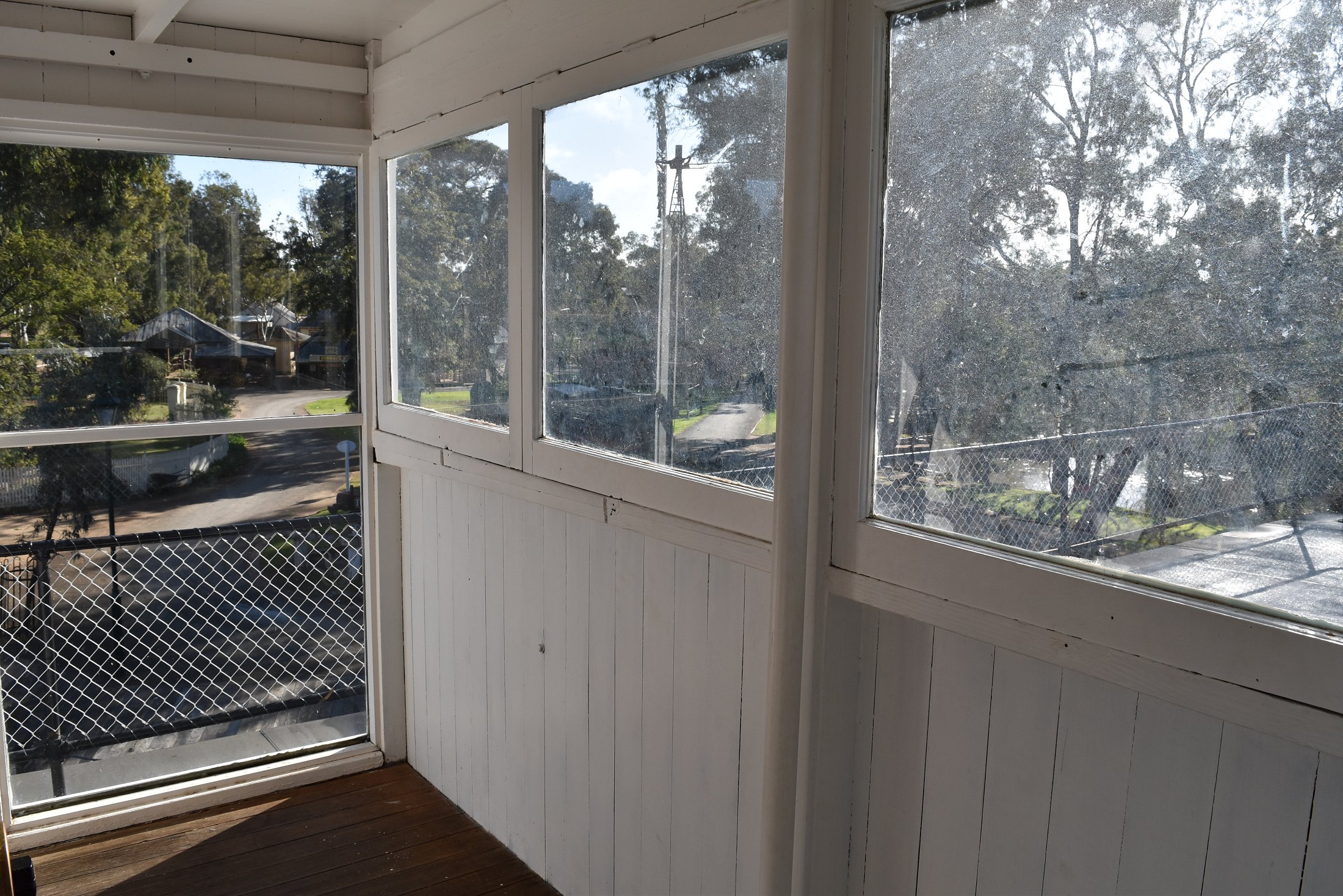
Upper Deck, P.S. Gem

Upper deck on P.S. Gem, at the Swan River Pioneer Settlement.

THE WHEELHOUSE

The nature of river travel on the ever changing Murray River required that the Captain have good visibility in order to guide his vessel through the pitfalls of snags, changing river levels and sand bars. From his perch high up in the wheelhouse the captain could pilot his boat secure in the knowledge that he had the best possible view–even if the foredeck was piled high with cargo. The broad decks fore and aft of the wheelhouse and accommodation on this level were also favourite spots for passengers. Overhead frames could be fitted with canvas shades on hot sunny days.

MURRAY RIVER CHART

The original Murray River charts were individually sketched by each captain based on his knowledge and experience in navigating the river. He would use India ink on cotton or linen materials and would map out features and topography for the appropriate length of the river. The map would then be rolled up like a scroll and unrolled as the boat progressed along different parts of the river. Survey bench marks, islands, snags and buildings would be added to the map by the Captain in order to assist in navigation. This section of a map shows part of the River Murray between Swan Hill and Boundary Bend; approximately 85 river miles (140 kilometres) downriver.

Down to Middle Deck

Down to Middle Deck.