Middle Deck, P.S. Gem

iddle deck on P.S. Gem, at the Swan River Pioneer Settlement.

From panel:
ART GALLERY
As part of the process of converting the PS Gem to an Art Gallery, all of the dividing bulkheads between the cabins along this row were removed. This gave a single large space which could be used for exhibitions. However, like the dividers in an egg box, the bulkheads also served a structural purpose and their removal meant that this deck of the vessel was largely open causing the vessel to change shape.

BATHROOMS
As “Queen of the Murray”, the Gem was expected to provide a level of luxury beyond that of the “ordinary’ boat. One of the elements of luxury which passengers could experience on the Gem was in the row of bathrooms and toilet facilities on either side of the main passenger deck.

Although the water wasn’t plumbed, crew members would bring buckets of hot water up from the boiler room and passengers | could luxuriate in a hot bath.
It was, however, still the Murray River water and, given that the toilets simply emptied straight out into the river, as did every other paddle steamer using it, there was no guarantee of the water’s cleanliness.

To upper deck

Into Music Saloon

Into cabin

To Upper deck

To Lower deck

Produce Wagon, Echuca, Victoria

Larger version

Port of Echuca Discovery Centre

From information panel:

Produce Wagon
This very significant van is one of 71 box vans built at Newport Workshops in 1893 with a solid timber door and a barred door to provide ventilation when carrying fruit or vegetables. These vans were the last design of H class box van on Victorian Railways, and only remained in their intended use for a relatively short time.

Read more

Water Cart, Horse-drawn

This water cart has two points of interest on the back. On the left is an information panel and on the right is an opening that lets you look inside.

The panel says:

This water cart was used at the Tasmania Mine to spray the mine year to rest the dust. The driver could operate the release valves with a foot lever.

The draught horse pulling the cart must have been a powerful animal as the tank held amost a tonne (1000kg) of water!

Inside

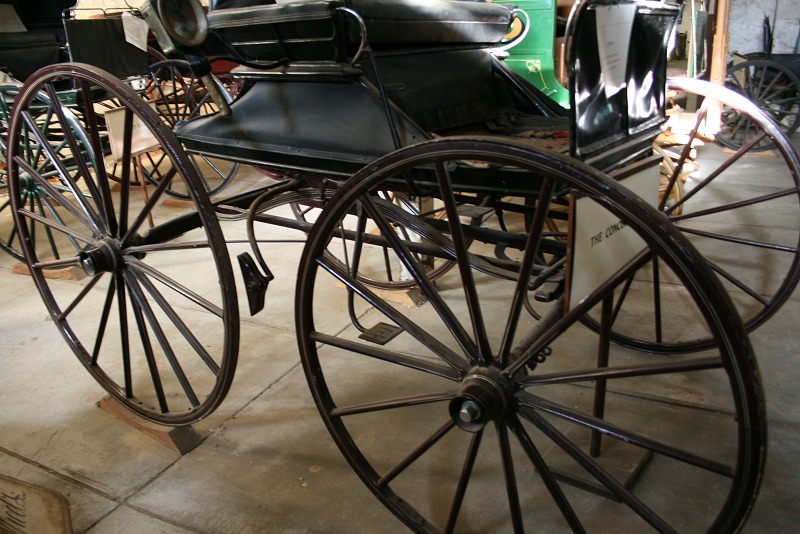
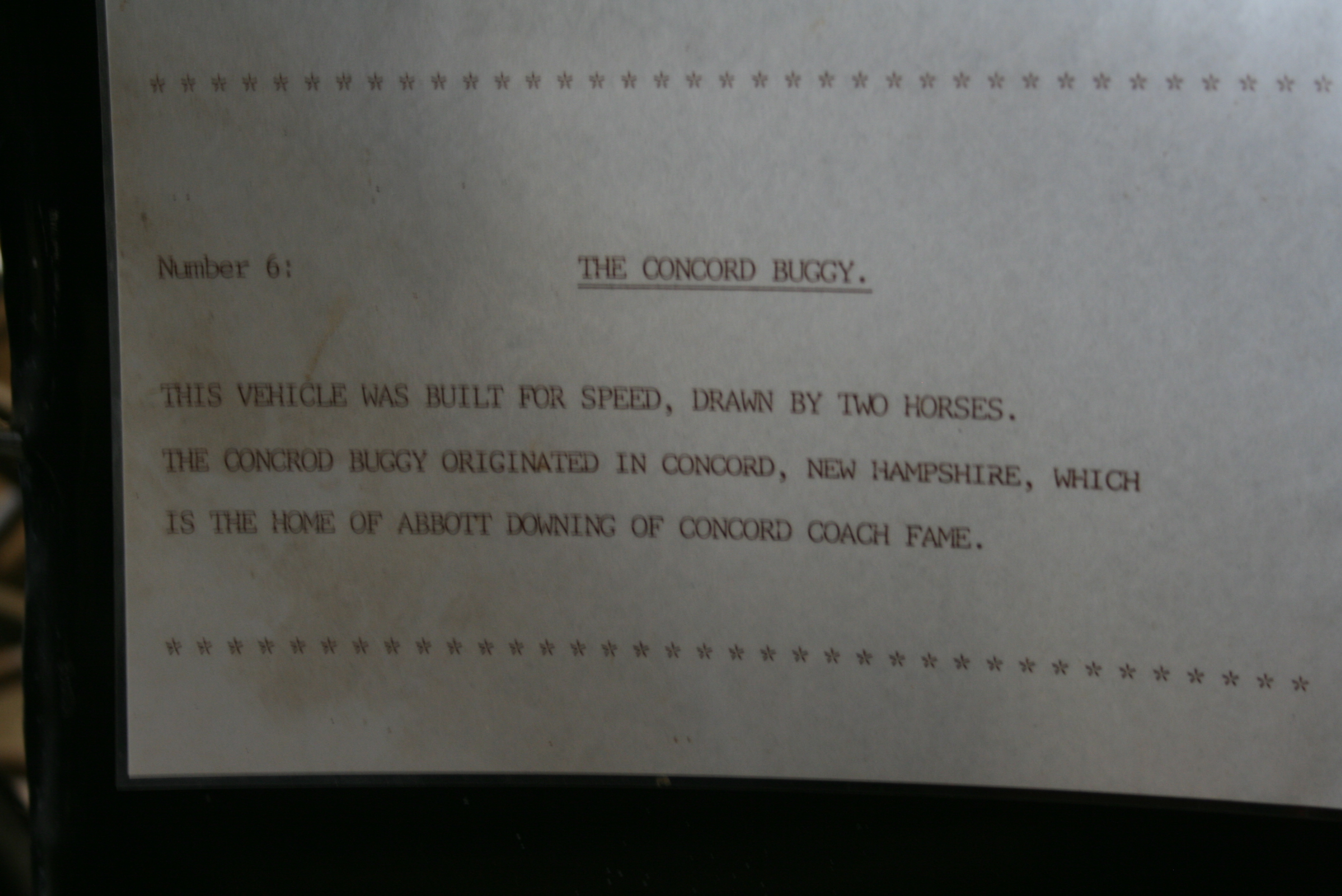
Concord model thorough-brace coach

Larger image.

At the National Museum of Australia (database record, has more photos).

The accompanying panel says:

Concord model thorough-brace coach 1860-80
This coach may have been manufactured by Cobb and Co. at its Charleville coachworks in Queensland or by a smaller company in the Gunnedah area of New South wales. It was used on Robert Nowland’s Gunnedah to Coonabarabran mail run, probably the 1870s. At first this 100-kilometre route followed a rough bush track, if the coach got bogged or the road was too steep for the four-in-hand horse term, passengers had to get out and walk. In 18880, just after the railway reached Gunnedah, the government built a good road between the two towns. Nowland was granted persimmons to use the road in 1882 and it proved a lucrative route. If the weather was fine, the new route took 12 hours, with tree stops along the way to change horses.
Trunk about 1900
When the coach was acquired by the Museum in 1980 this wooden trunk came with it. The tray on the rear of the coach, known as the ‘boot’, was used for luggage, as was the roof. Goods were sometimes stowed under the seats and could bang passengers’ legs on rough stretches of road.


Inside.

Light Weight Air Warning (LW/AW) Radar

Larger image

At the Australian War Memorial.

“The LW/AW set was developed in 1942 in Australia by the Council for Scientific and Industrial Research (later CSIRO) Radiophysics Laboratory in response to the need for a portable air defence radar station that could be readily deployed in northern Australia, New Guinea and the islands to Australia’s north.”
Read more (and better photo).

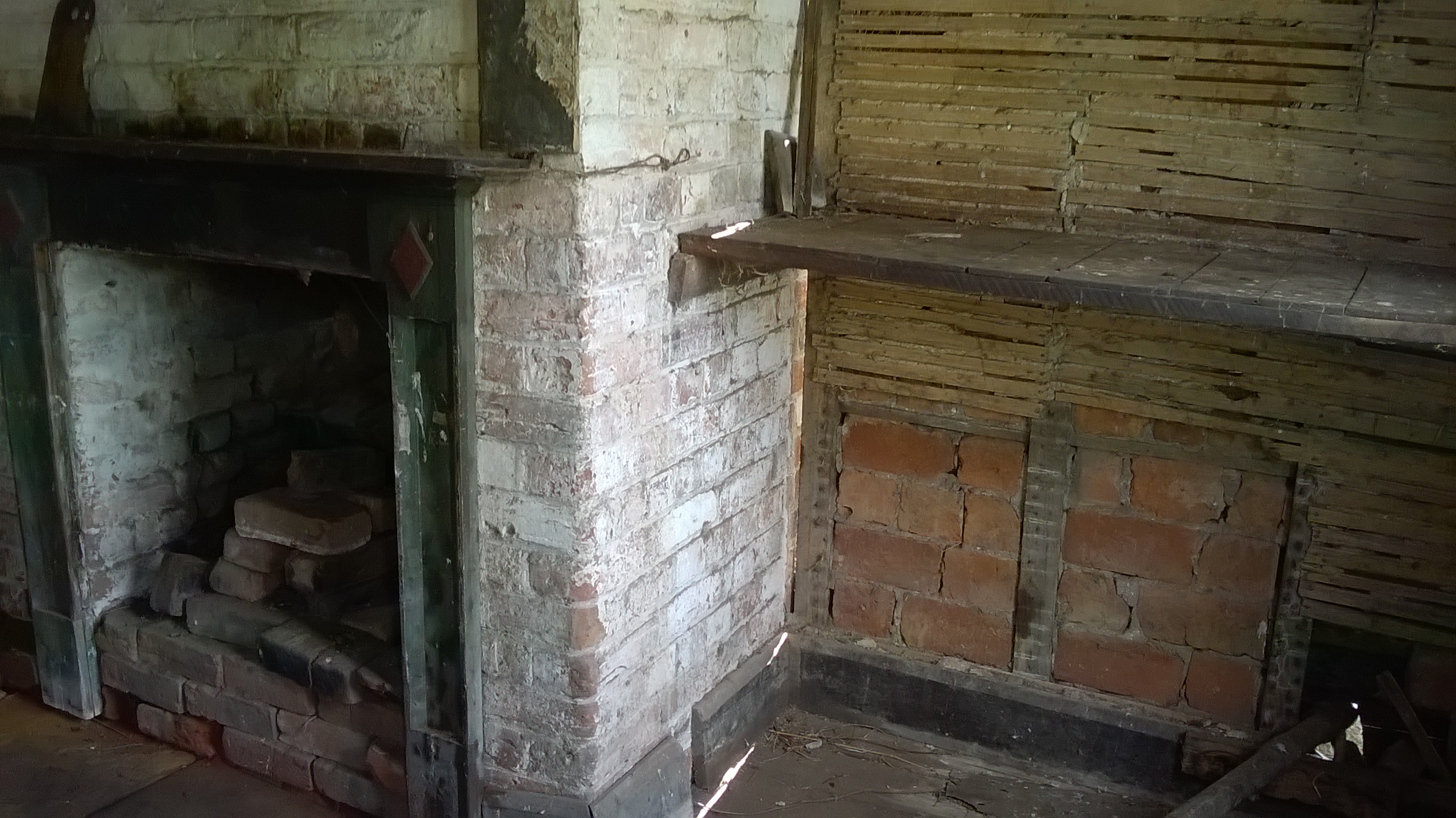
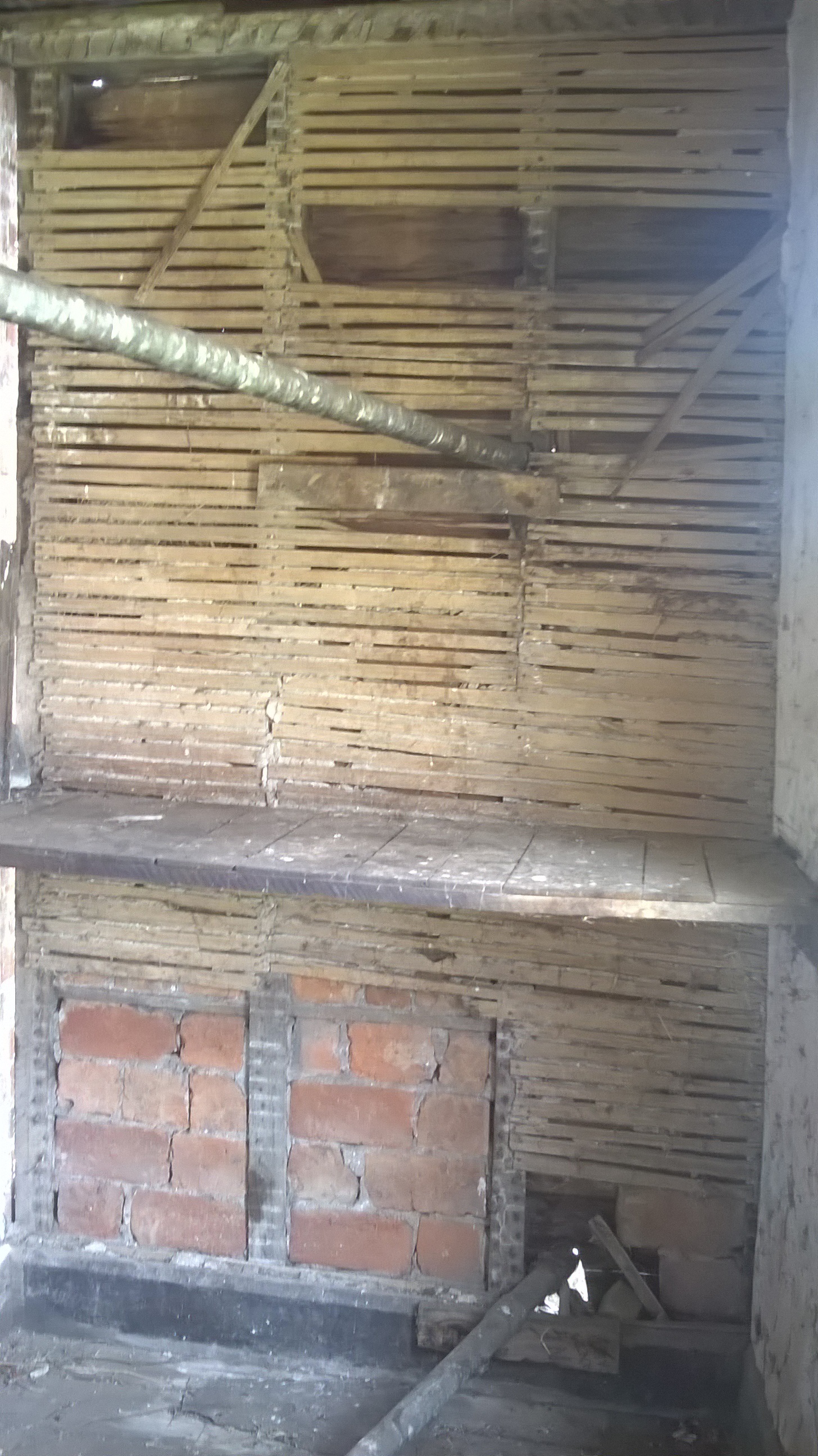
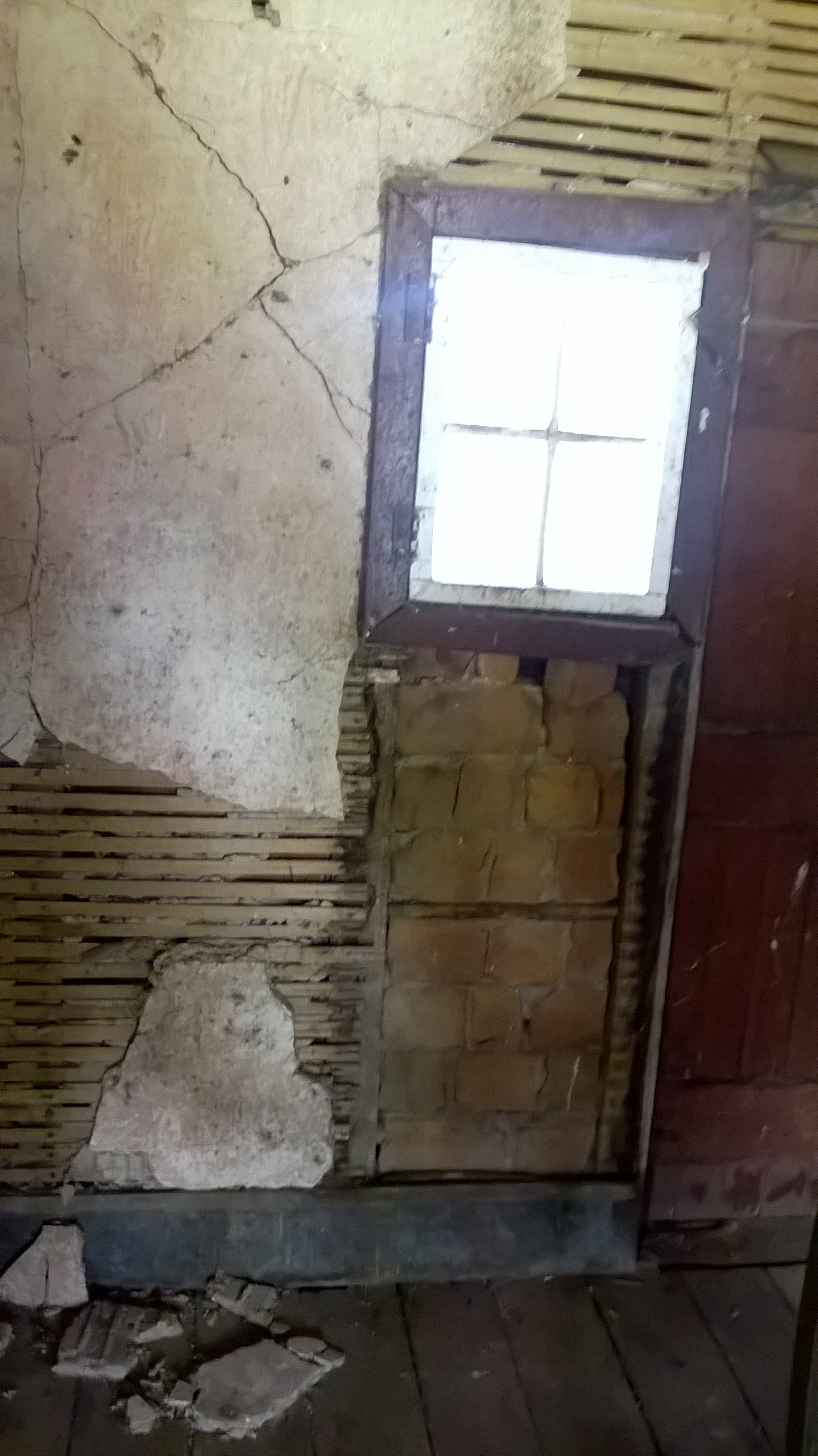
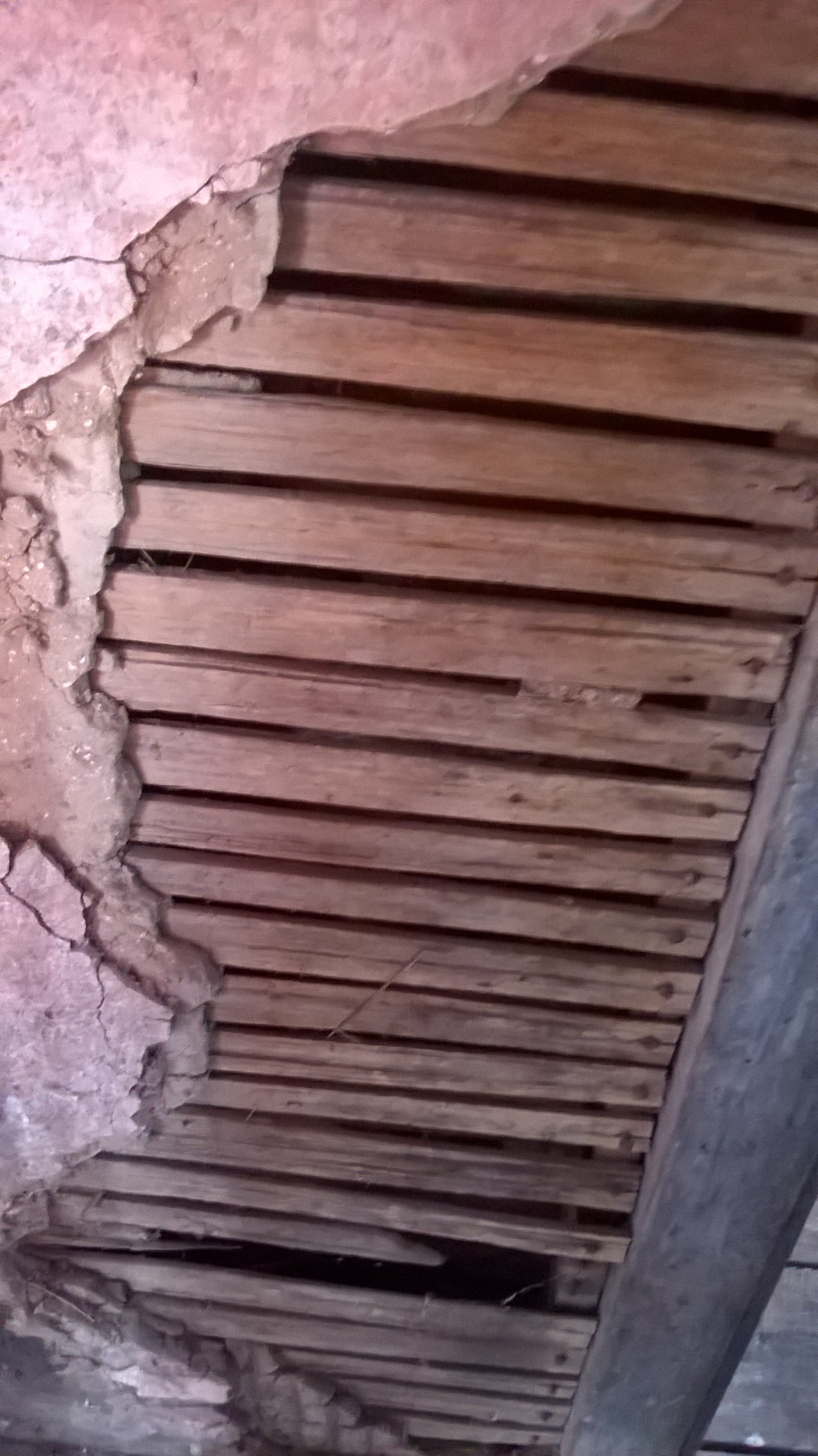
Mountgarrett’s Cottage (lathe & plaster construction)

Larger version

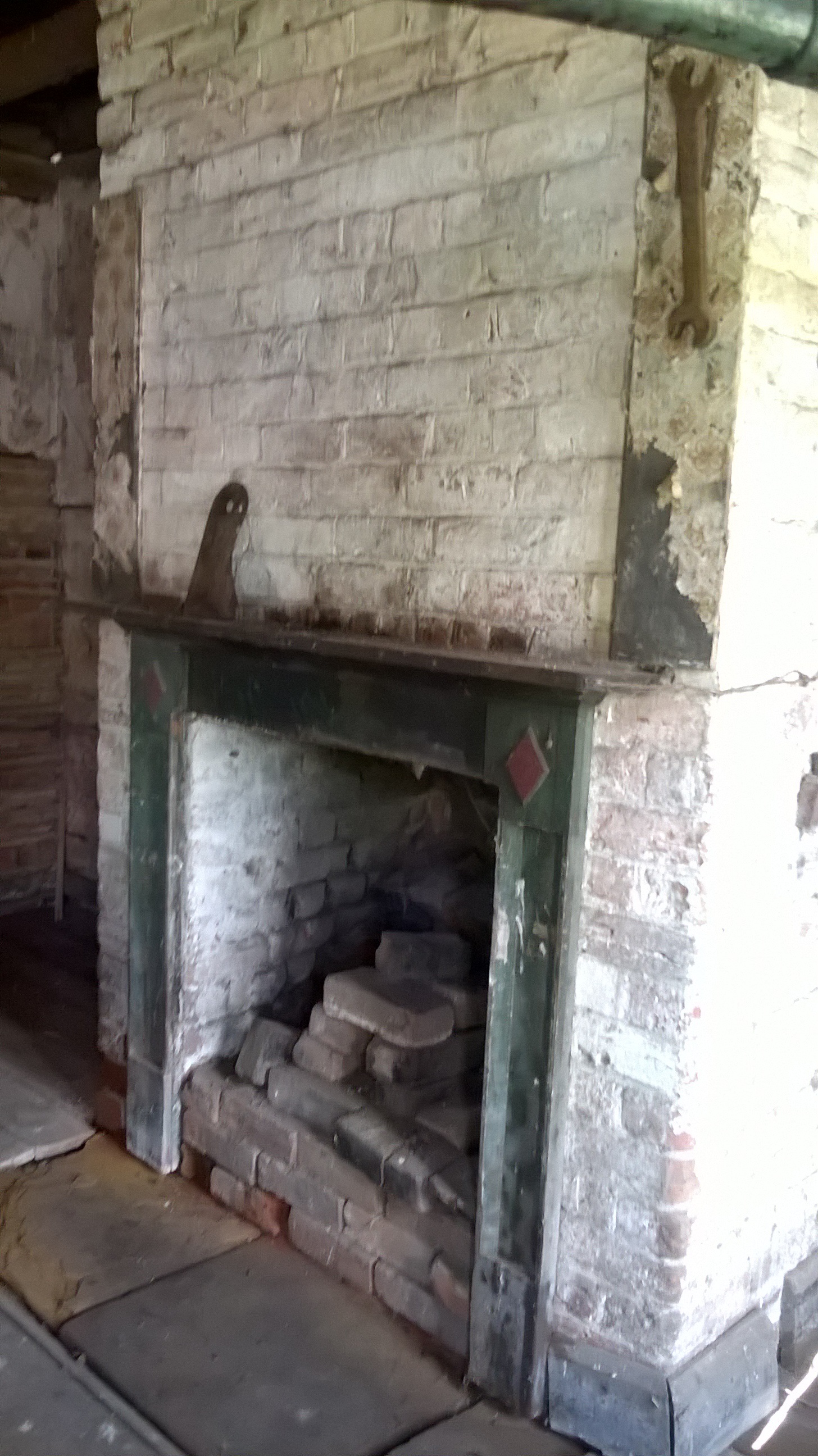
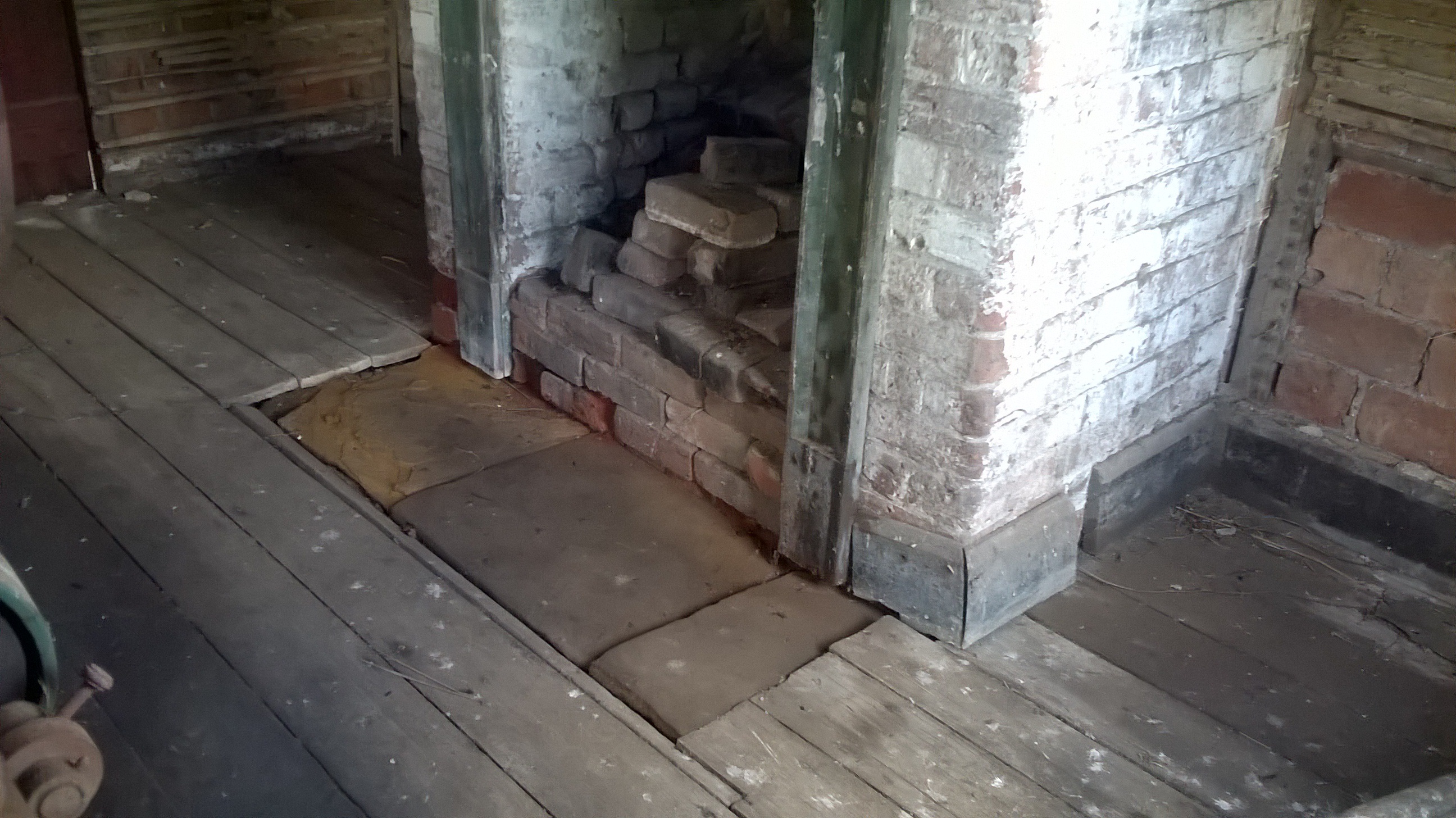
Mountgarrett’s Cottage, Woolmers Estate. Constructed for Dr Mountgarrett in the 1820s and later moved to Woolmers, where it was used for agricultural purposes.

I wasn’t going to post this one as the photos are poor quality, but because the building hasn’t been maintained/restored as a residence, the construction details can be seen.

The cottage consists of two rooms. The main one  through the front door, which has had large double doors added at the back to allow access to the machinery, and a smaller room to the side.

Door to second room. Detail from wall below.

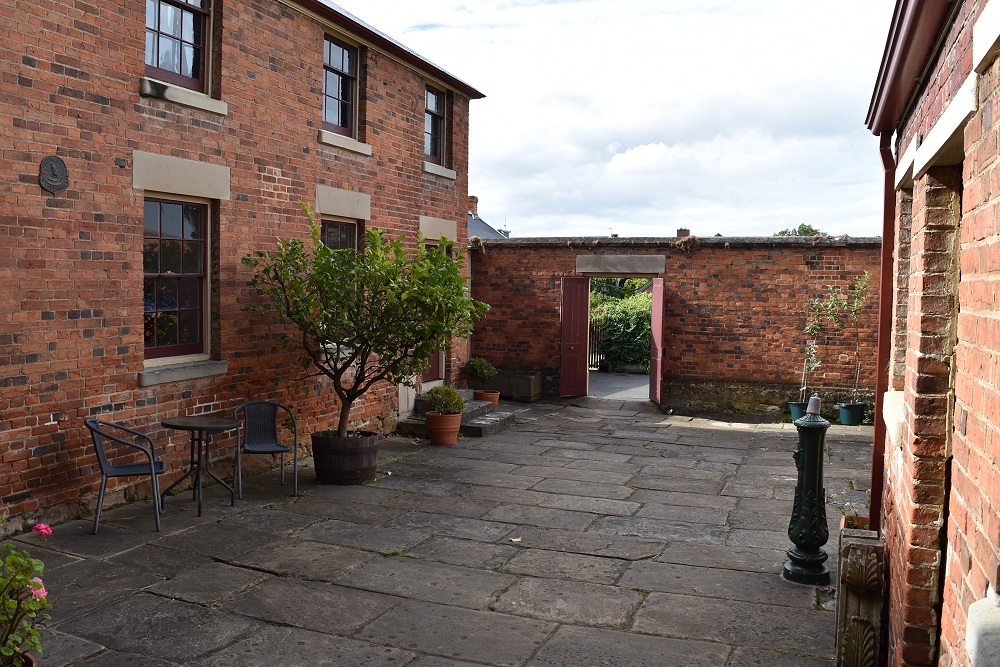
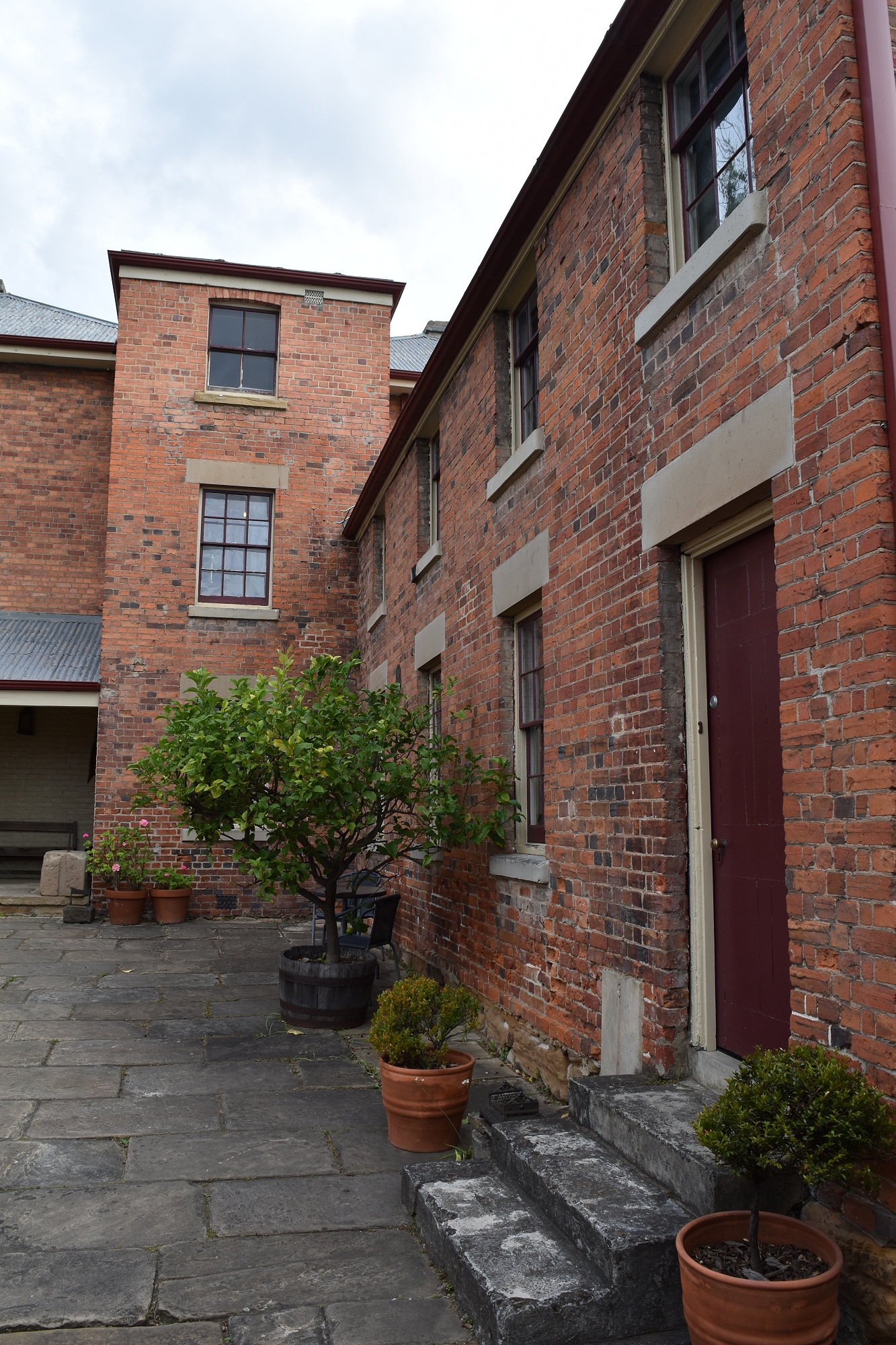
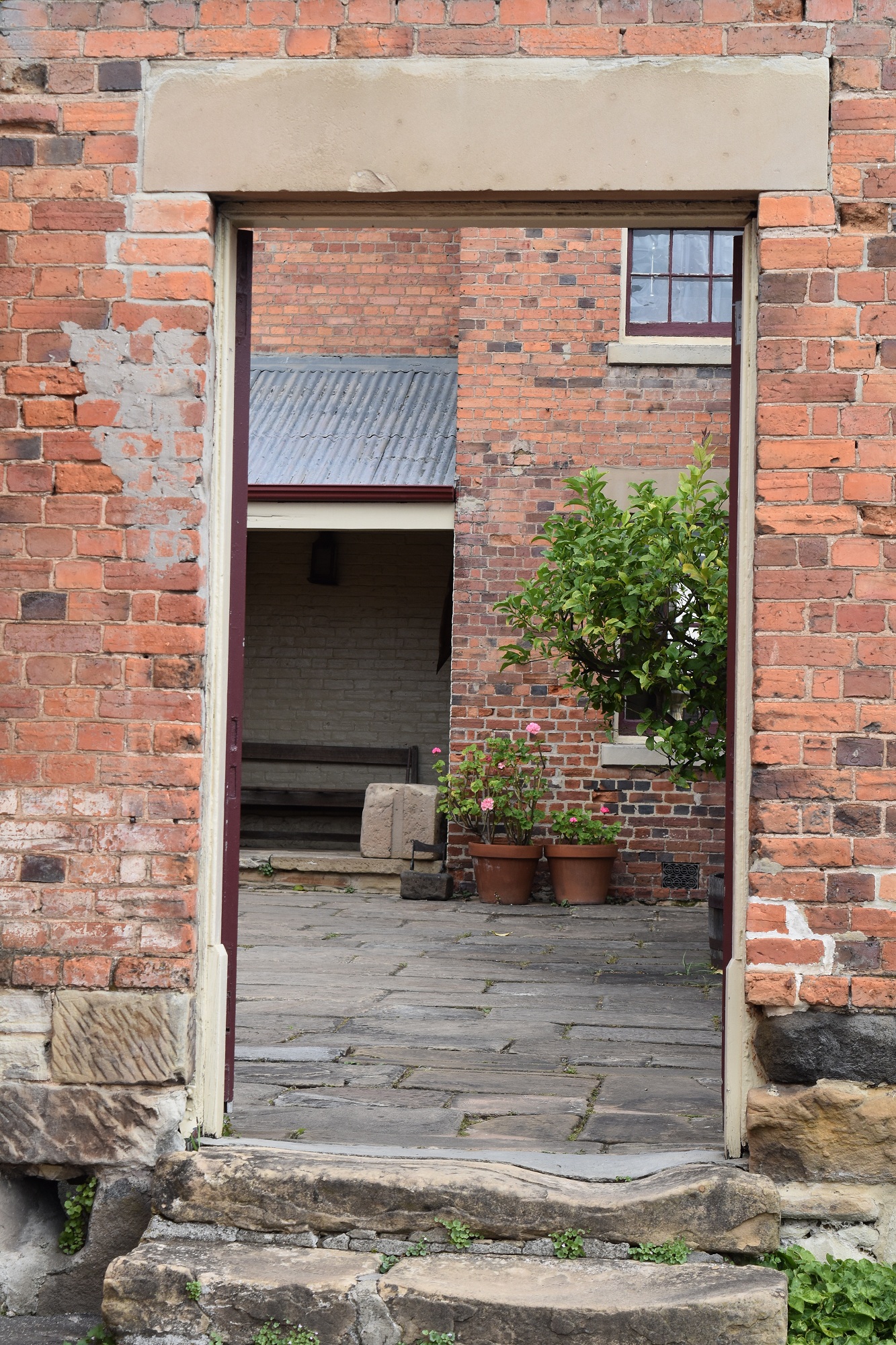
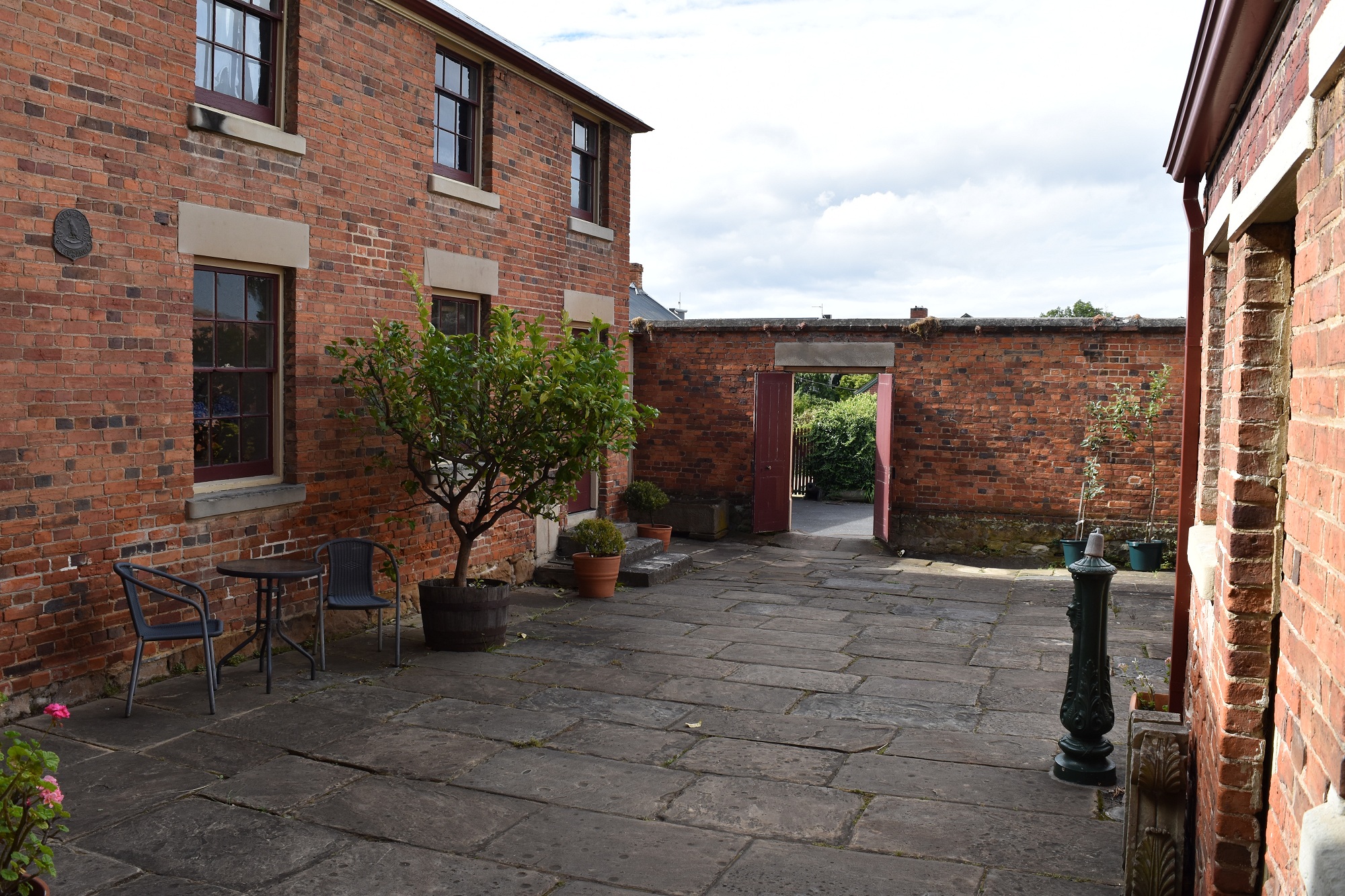
Courtyard, Narryna

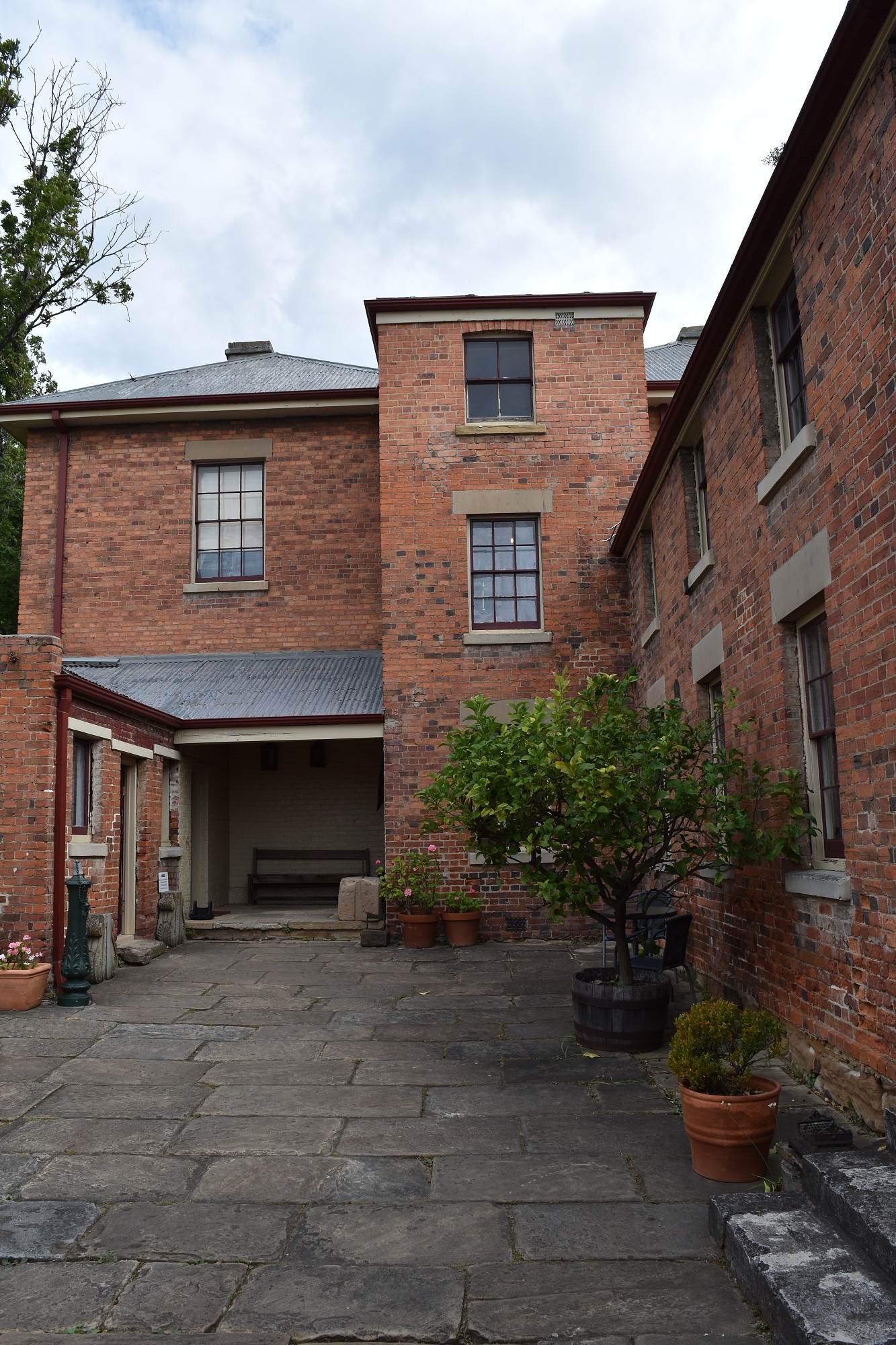
Courtyard at rear of house, Narryna, Battery Point, Hobart. Kitchen wing to the left. Pantry & laundry to the right. Photos from beyond the gate at bottom of this post. Larger image


Facing the other way. On the right, kitchen wing with servants room above. Entrance to main house under the low roof at the back.


On the right, kitchen wing with servants room above. Entrance to main house under the low roof at the back,with bedroom window above. Pantry and laundry to the left.


Tower (bottom to top): back hall, dressing room, crow’s next


Entrance to main house.


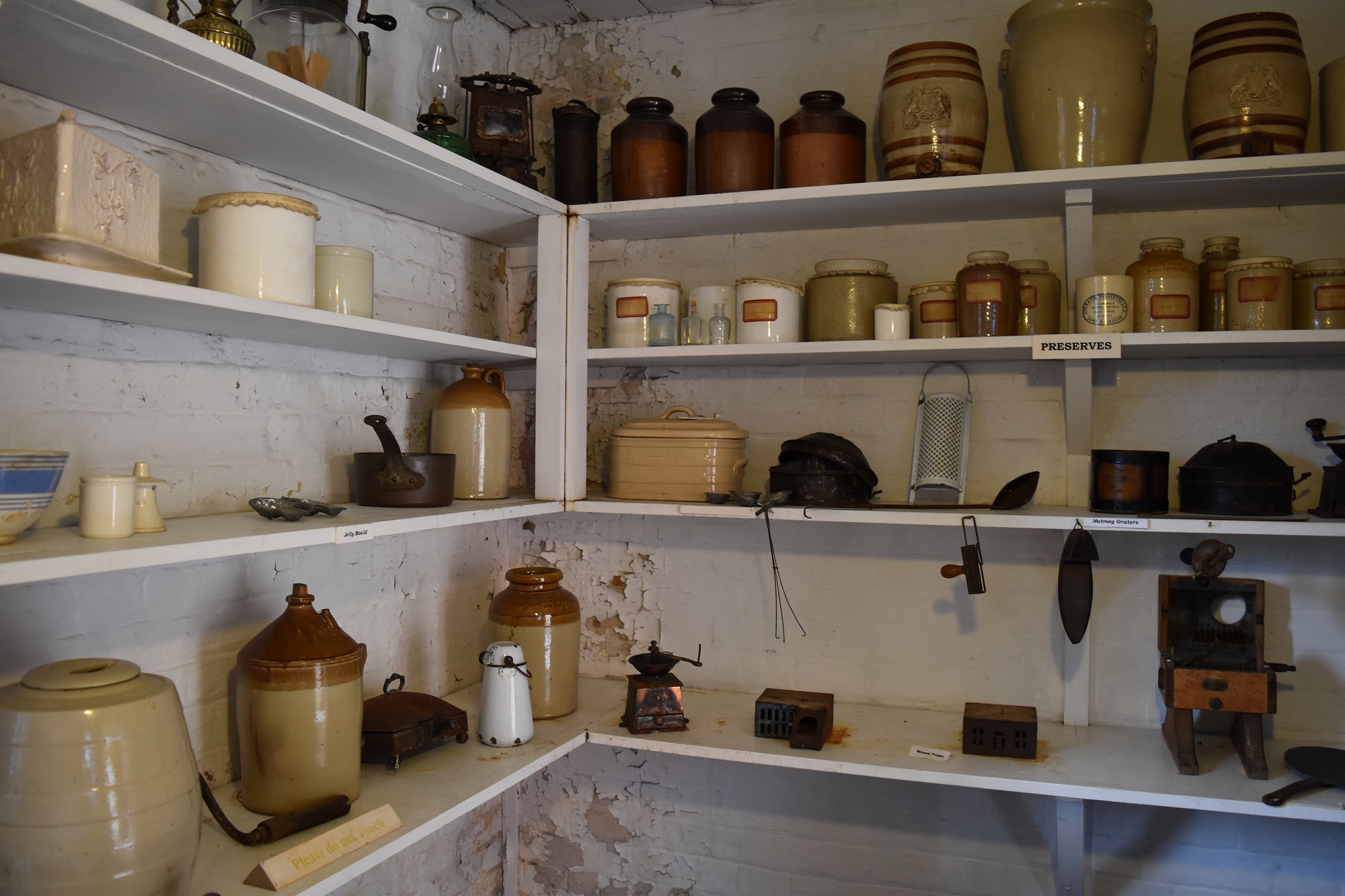
Pantry.


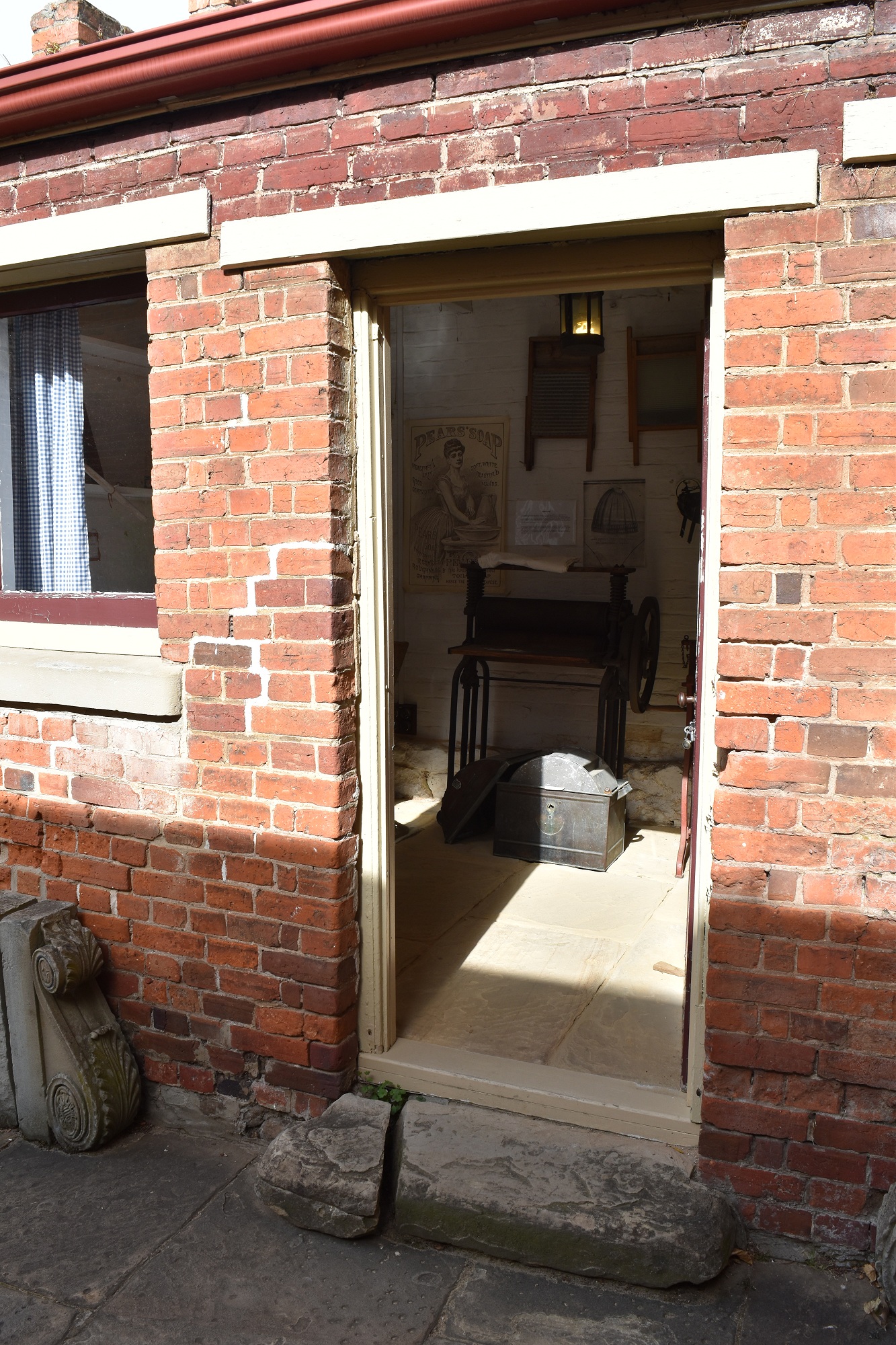
Laundry.


Back corner of courtyard.


Beyond the gate.


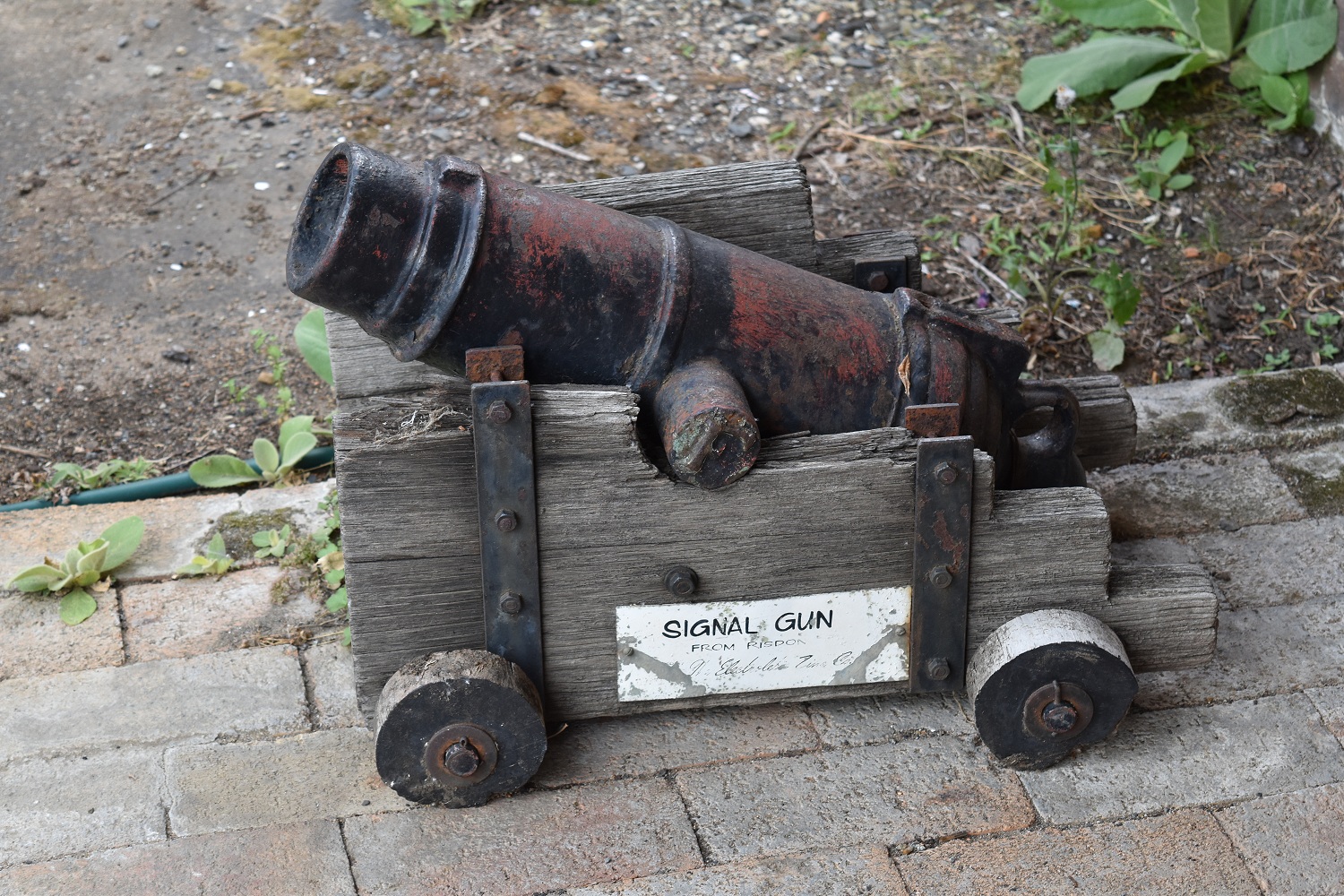
Signale gun.


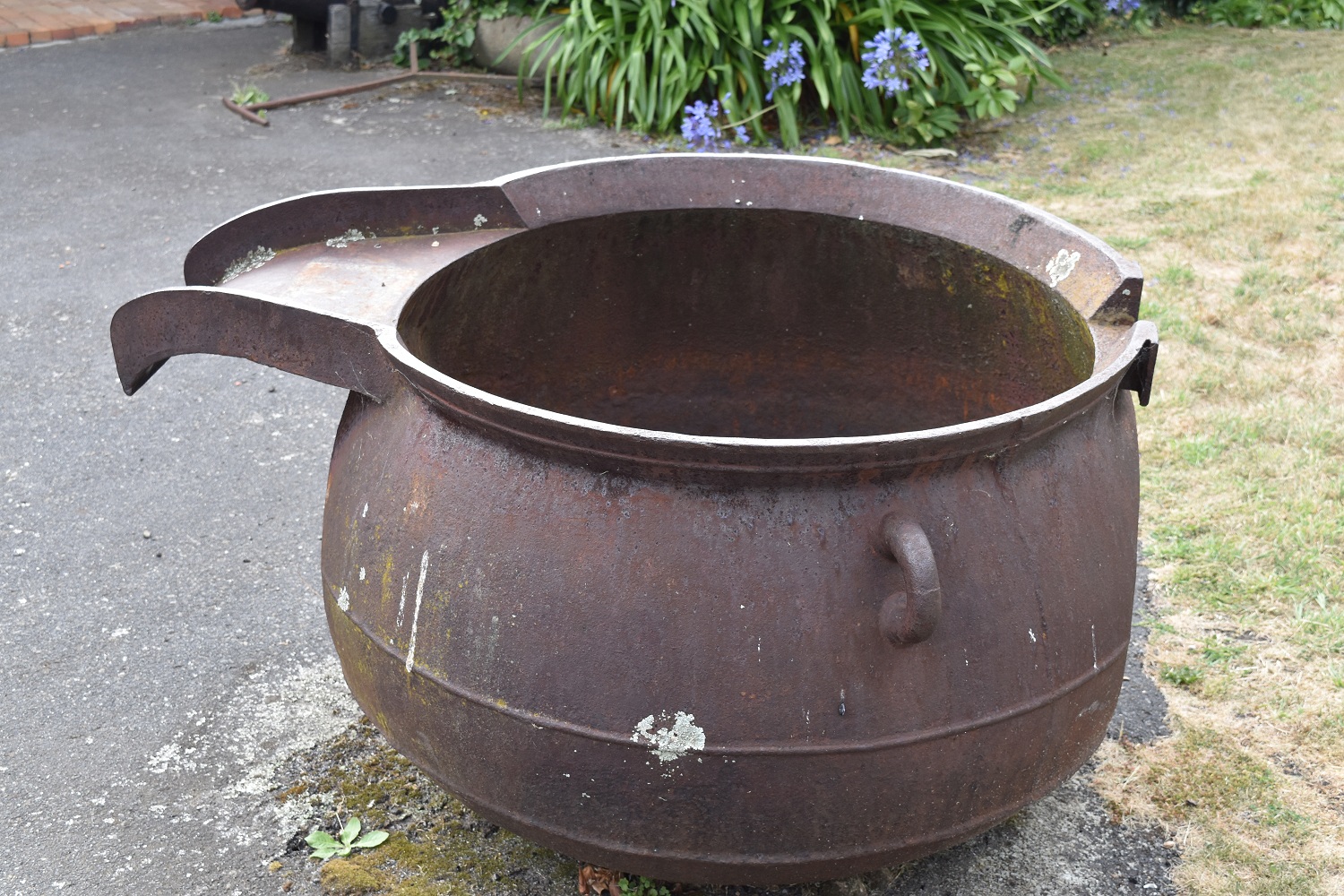
Try pot.


Try pot.


Coach house & stables.


Through gate back to courtyard.

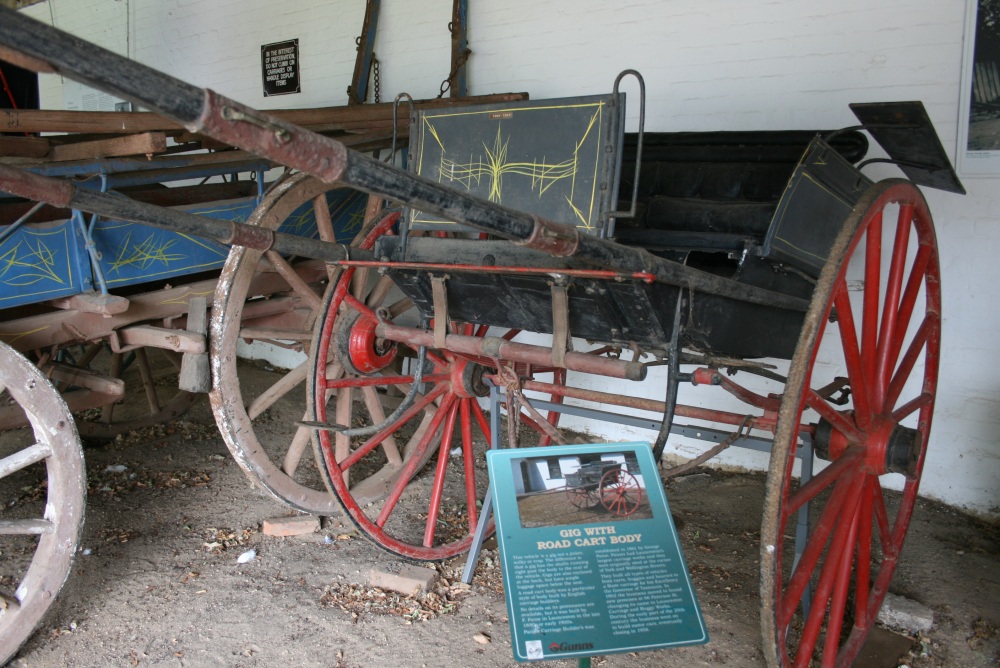
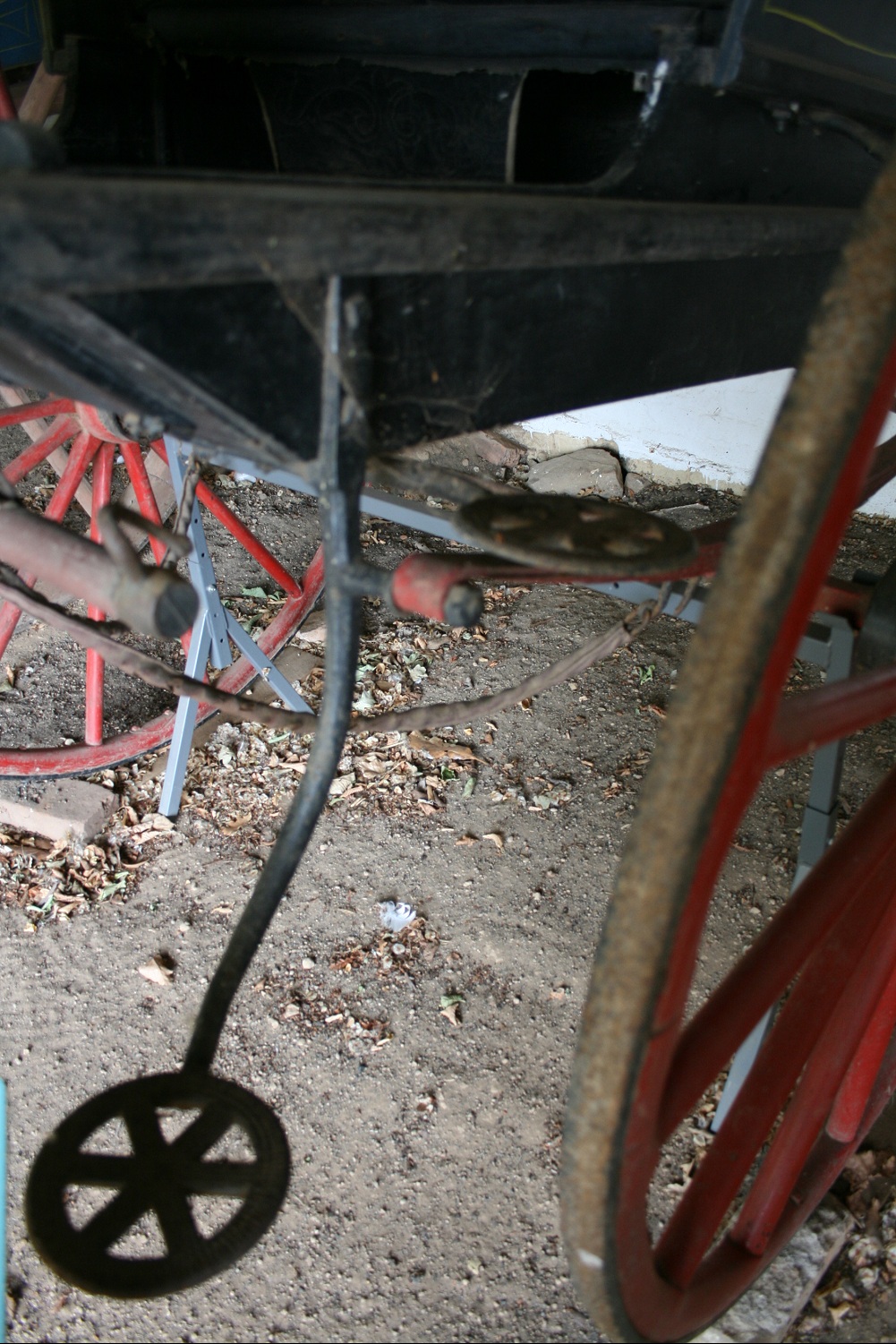
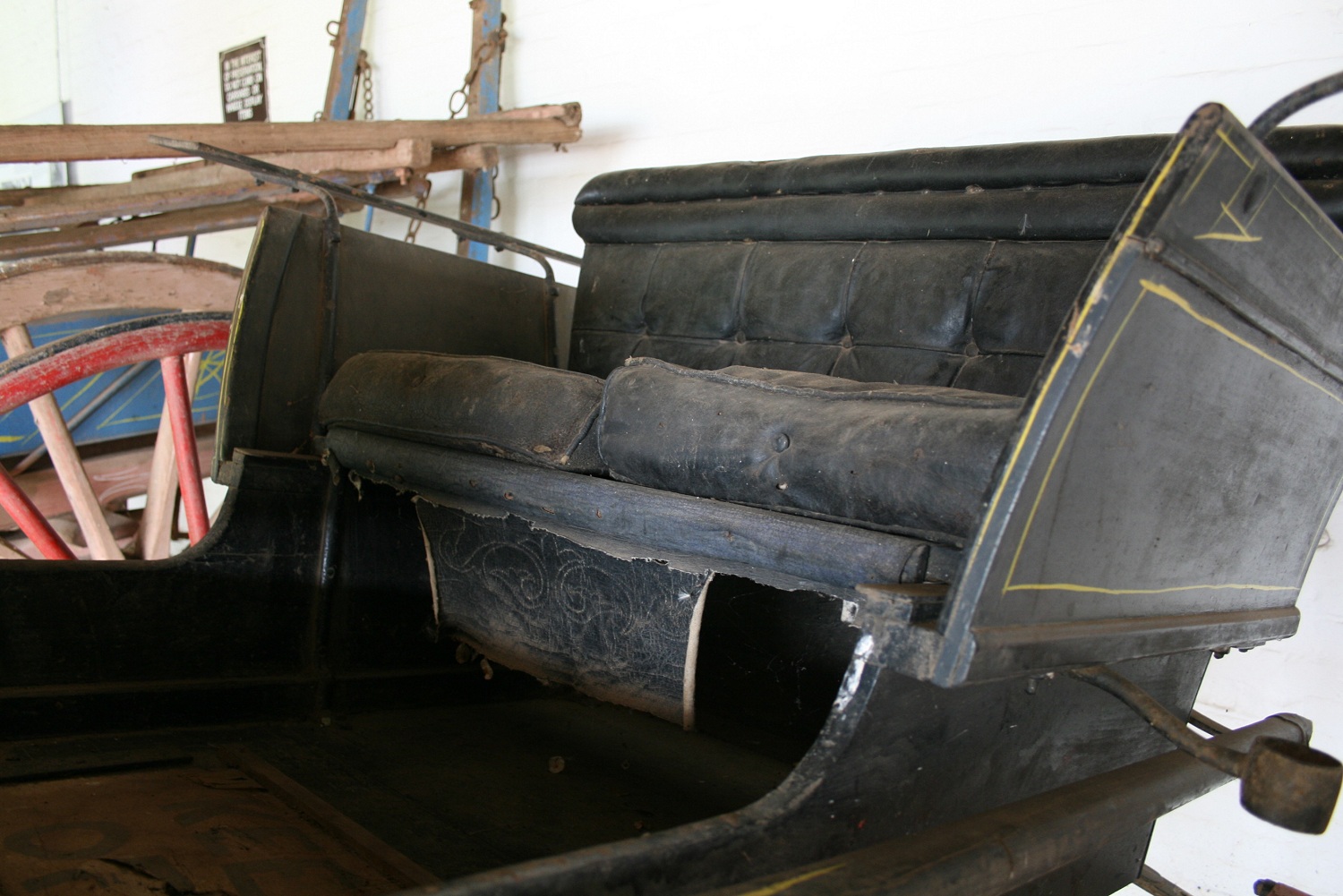
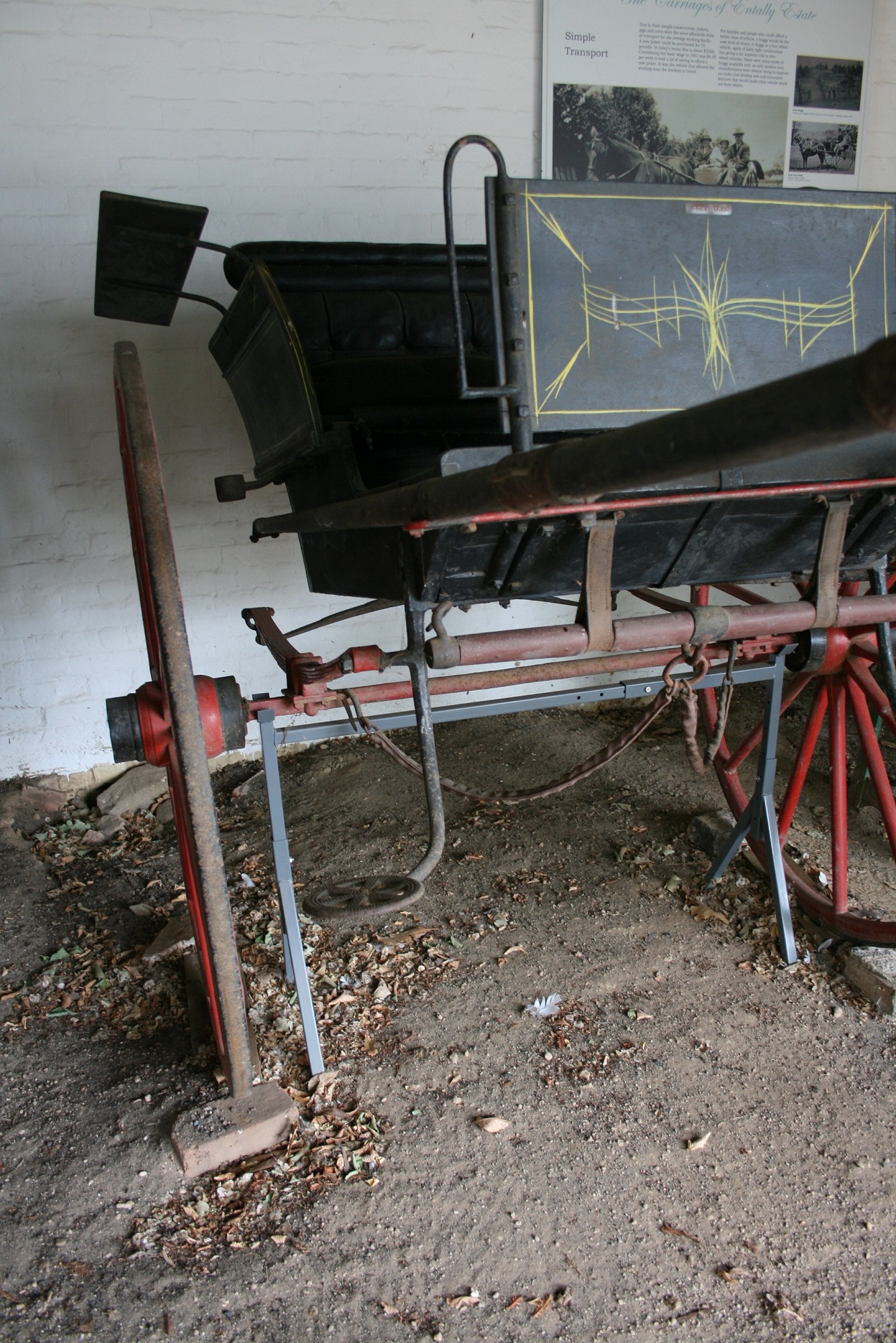
Gig

(Larger version

Panel at the front say, in part:

Gig with Road Cart Body
This vehicle is a gig not a jinker, sulky or trap. The differences are that a gig has the shaft running right past the body to the rear of the vehicle. Gigs are also enclosed at the back, but have ample luggage space below the seat.

A road cart body was a particular style of body built by English carriage builders.

No details on its provenance are available, but it was built by F. Paine in Launceston in the late 1800s or early 1900s.

At Entally Estate.

Jinker

(Larger image)

This is a light, two-wheeled horse-drawn vehicle. But how does it differ from other light, two-wheeled horse-drawn vehicles like gigs and sulkies? Short answer, it doesn’t.

From “Sulkies, Whiskeys and Gigs” by Jeff Powell, Curator, Cobb & Co Museum in the Australian Carriage Driving Society Show Driving Handbook (PDF):

From Cooktown to Kalgoorlie and Cape Byron to Broome, the sulky was the most popular horse-drawn vehicle in Australia. These two-wheeled passenger vehicles, also known as gigs or jinkers in Victoria, could be found in every town and country district. Sulkies were light and stylish yet surprisingly robust. Many were still plying country tracks in the middle of the 20th century, long after other horse-drawn vehicles had disappeared from the road.

(Not to be confused with a timber-hauling jinker,  which has little in common other than power source.)

The bit on the front says:
The Common Jinker
These vehicles were used around towns and also around the cities prior to country use.
Used around the 1920’s to the 1930’s in the country towns.

From Beechworth Carriage Museum.

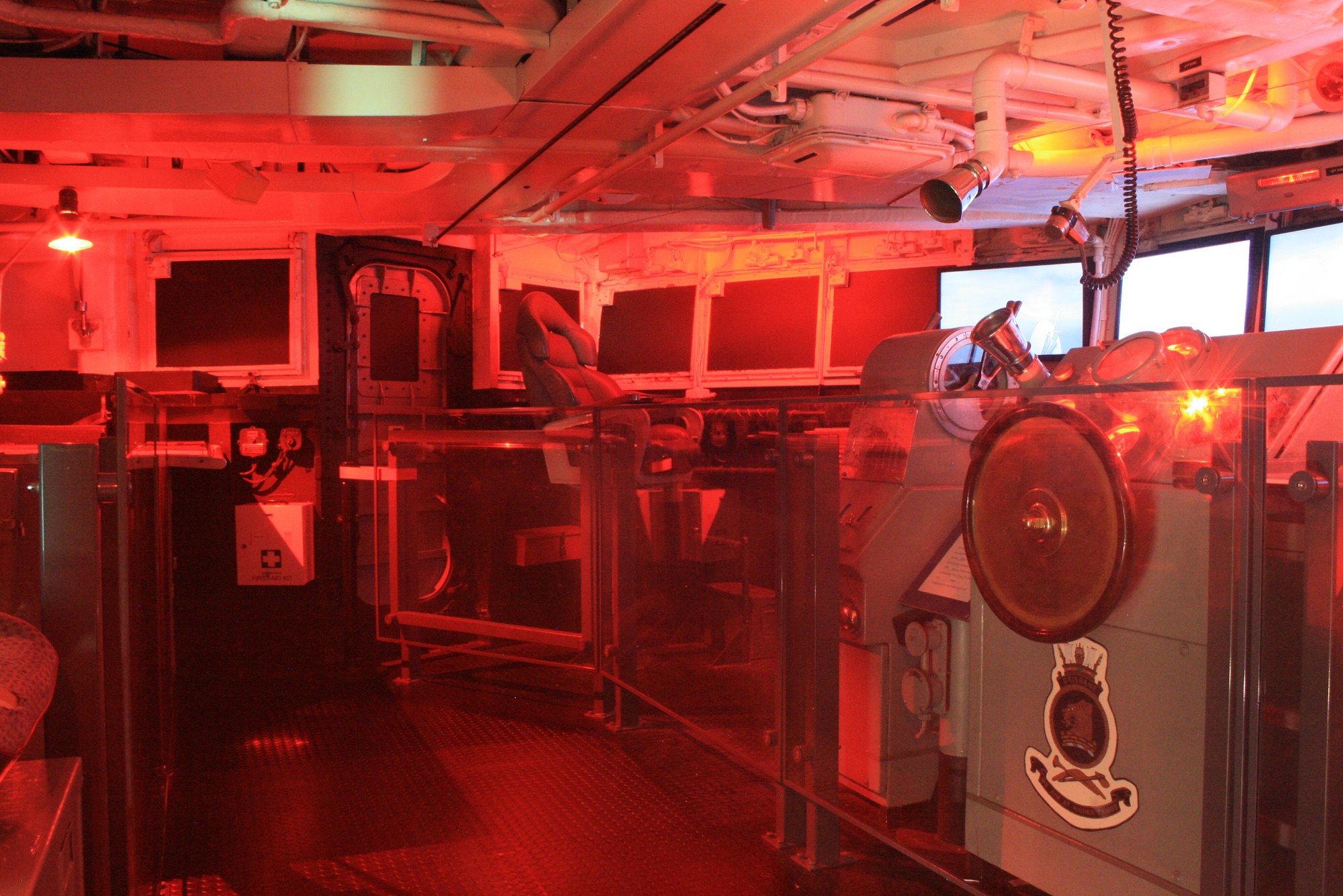
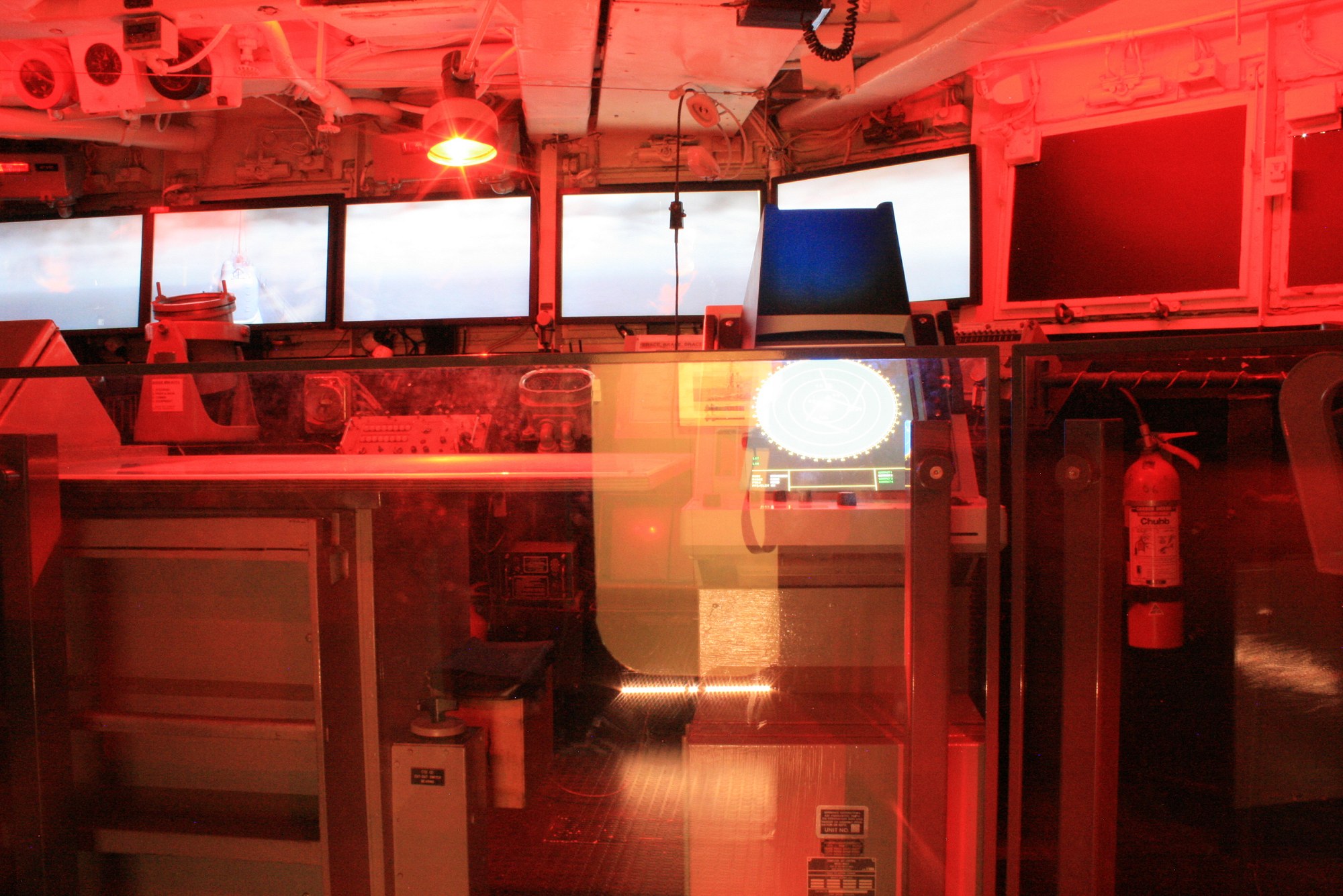
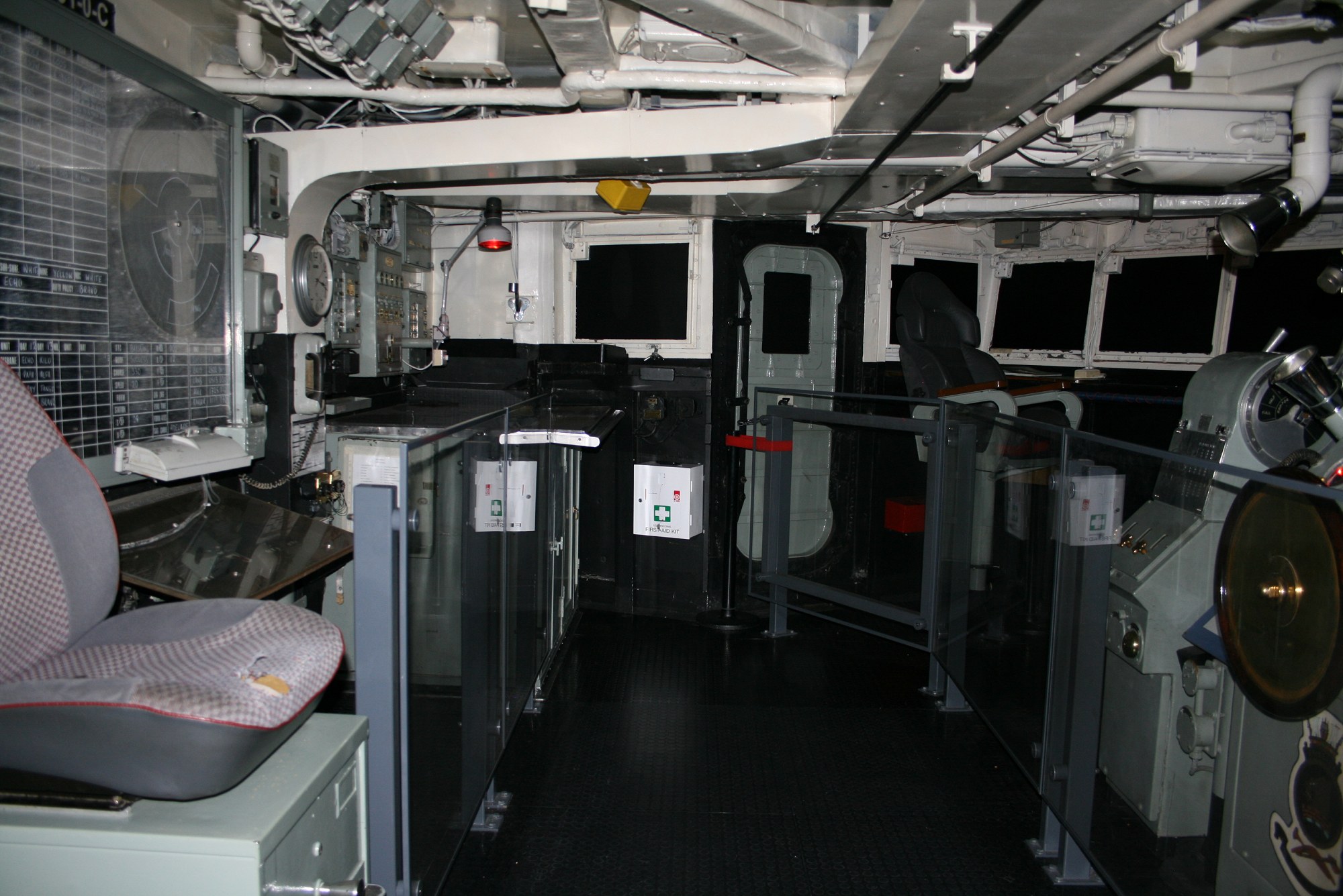
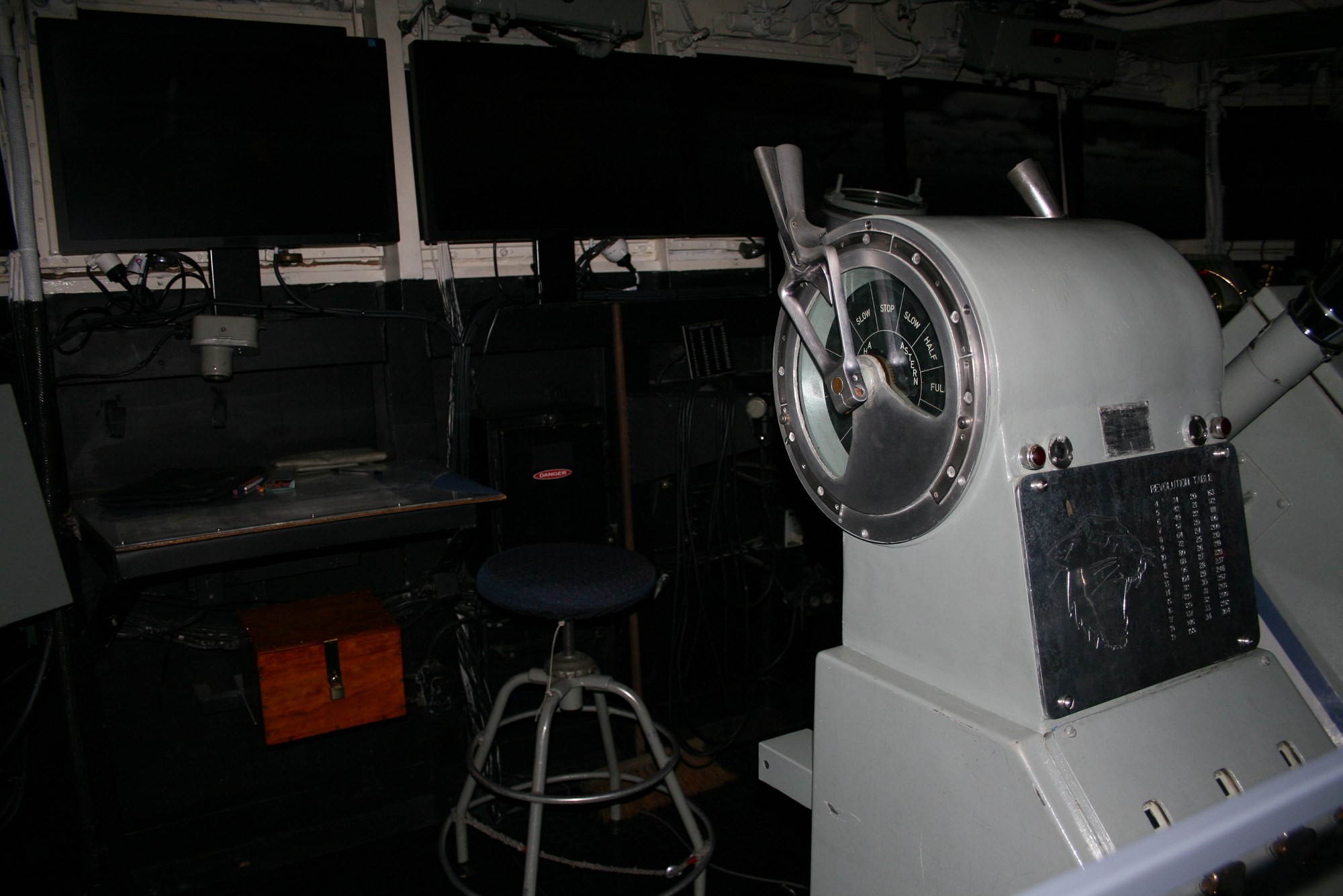
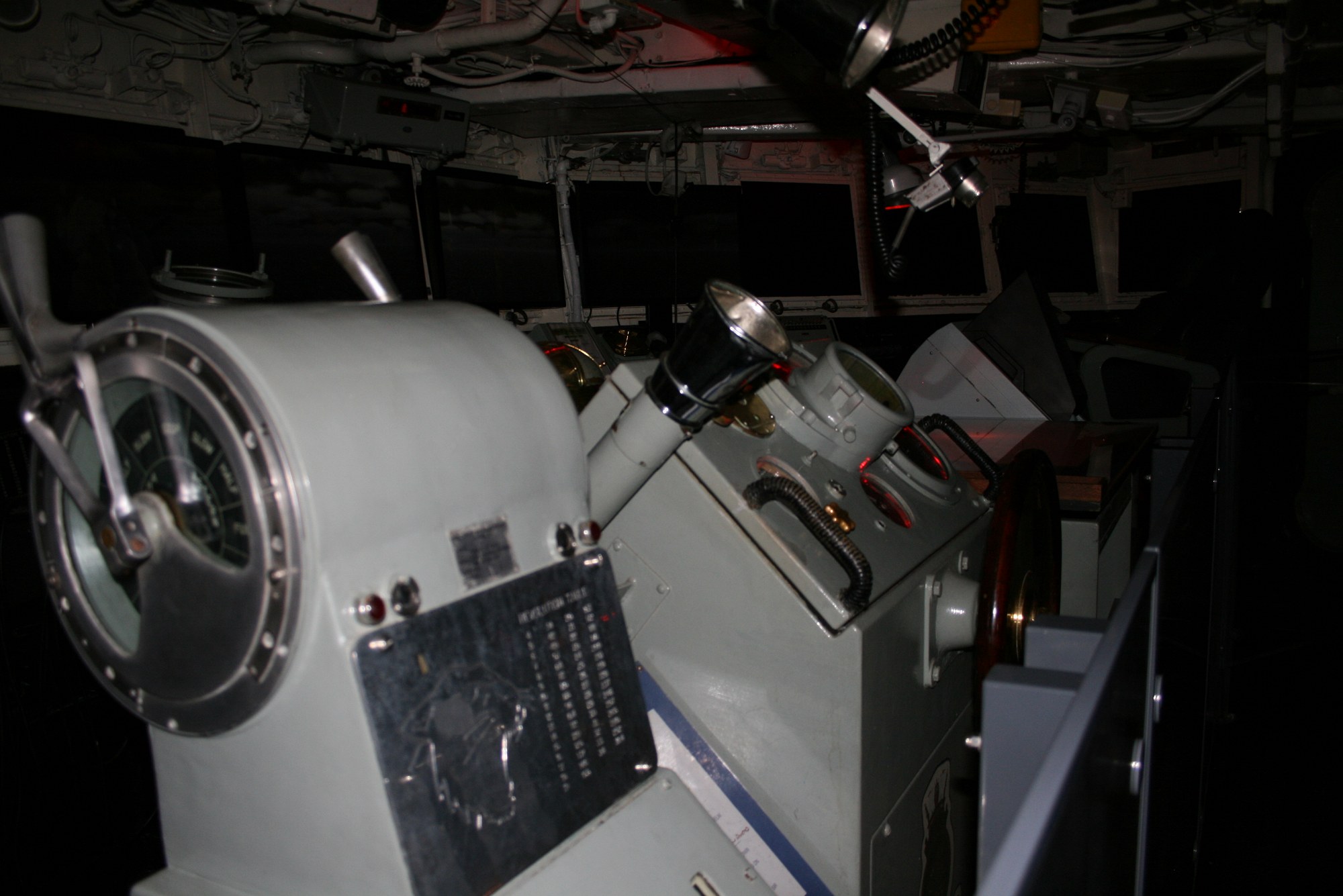
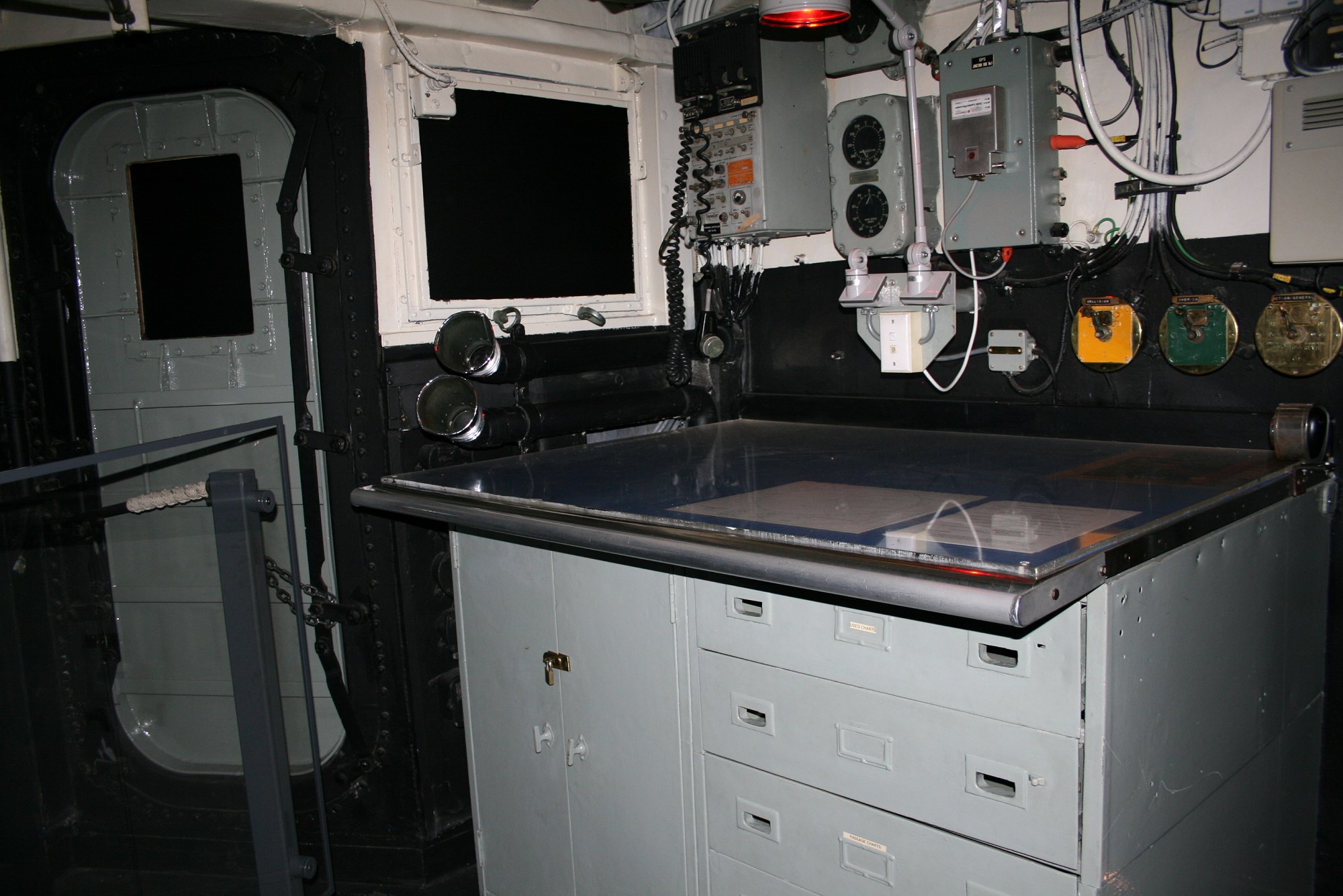
Bridge of HMAS Brisbane

Larger version

This area was dark, so there are two sets of photos, the first withut the flash and the second with. (Or you could head over to the Australian War Memorial website and check out the Google Street Maps version.

From the information panel:

After decades of service with the RAN and having seen action in the both the Vietnam and First Gulf Wars, HMAS Brisbane was decommissioned in 2001. In 2005 it was sunk off the Queensland coat and is now a dive site. Before the sinking, Brisbane‘s bridge was removed and brought to the Memorial. The bridge appears here in its Gulf War configuration

Type: Charles F. Adams Class guided-missile destroyer
Launched: 5 May 1966

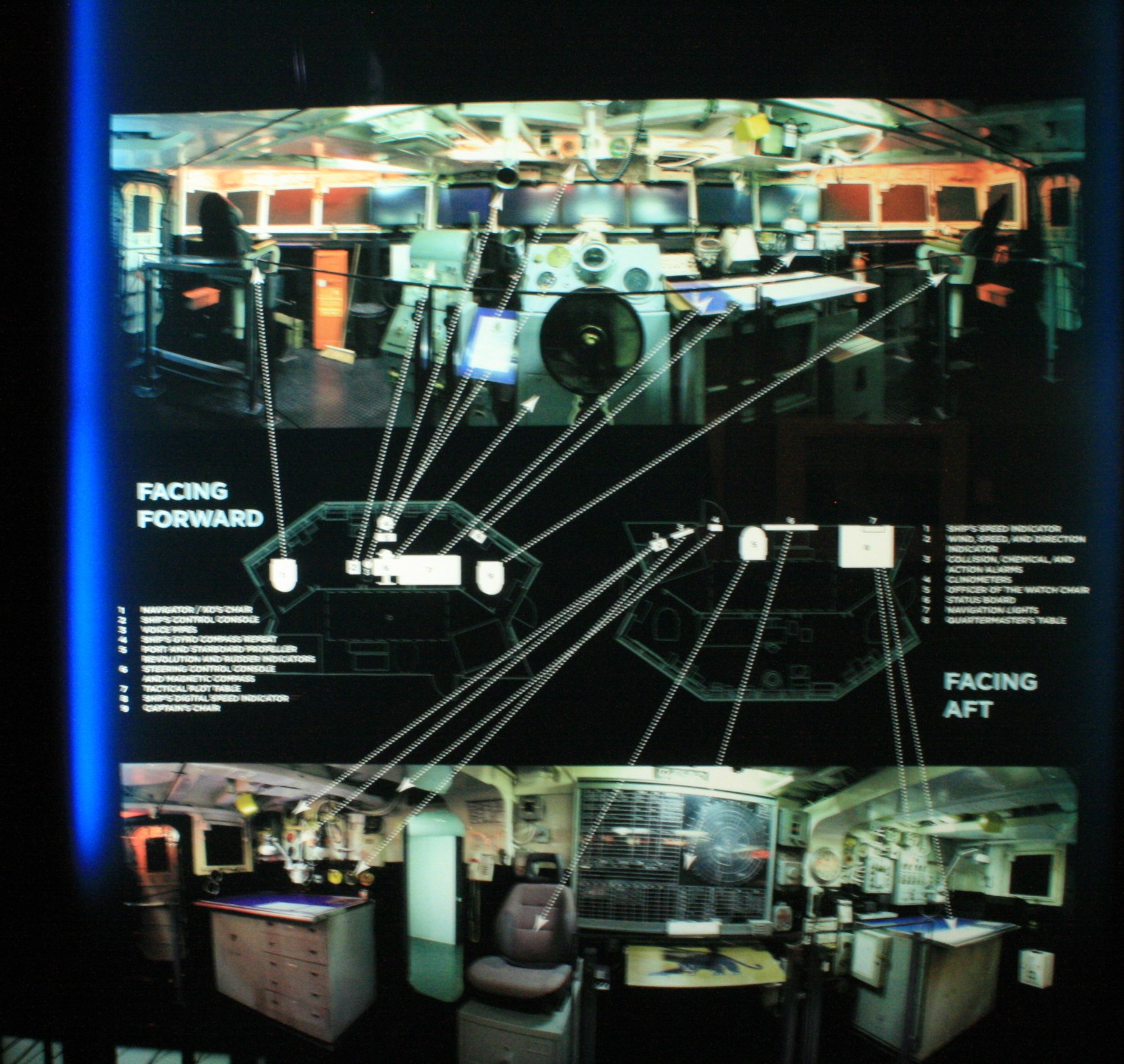
There is also a “key” panel but it didn’t photograph very well. However, I can’t find it anywhere else so I’ve put it at the end.

From the entrance, face left and then clockwise/to the right.

From the entrance, face left and then clockwise/to the right.